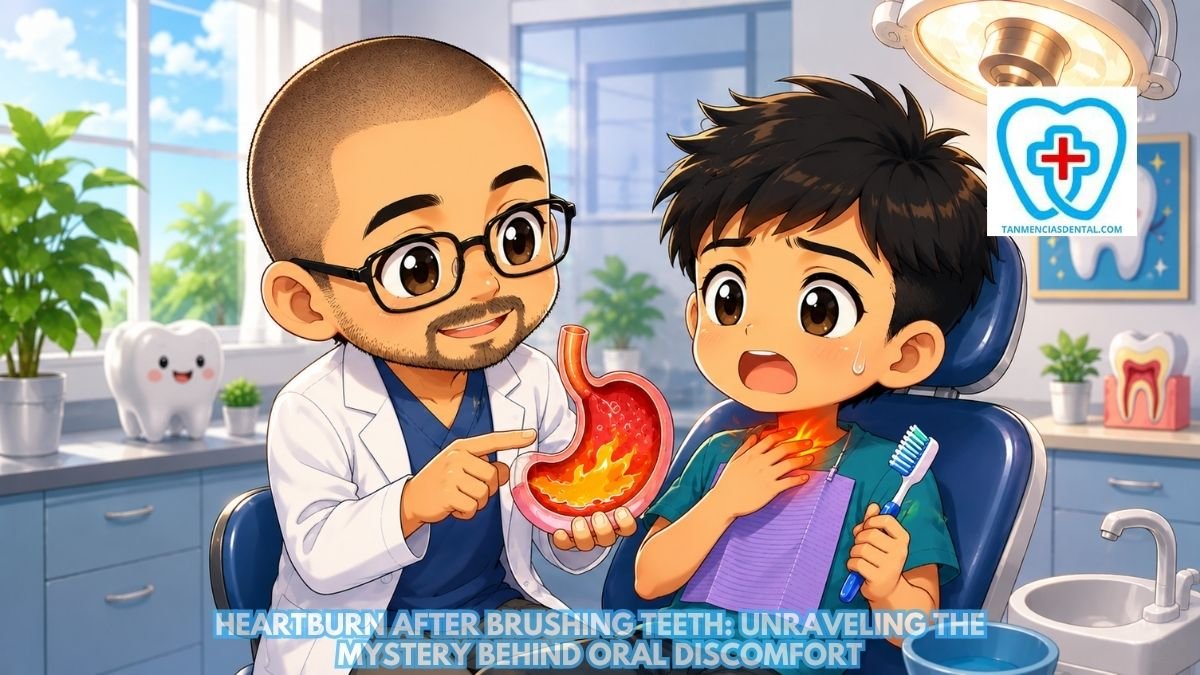
Heartburn after brushing teeth can be frustrating and confusing, especially when it happens during a normal oral care routine.
Many people experience a burning feeling in the chest or throat after brushing, yet they may not understand what is causing it.
Certain toothpaste ingredients, brushing habits, dry mouth, and acid reflux triggers can all play a role in this discomfort.
Diet and lifestyle choices may also increase the chances of developing symptoms after oral hygiene practices.
We’ll explain the possible causes of heartburn after brushing teeth and cover simple ways to reduce irritation while protecting your oral health.
Understanding these factors can help you maintain a more comfortable daily routine and support better digestive health.
1. The Surprising Connection Between Brushing Teeth and Heartburn
The link between brushing teeth and heartburn is more common than many realize and can be explained by several factors.
Toothpaste that contains fluoride, while beneficial for preventing cavities, may irritate the stomach lining in sensitive individuals, especially if swallowed in small amounts.
Additionally, abrasive toothpaste can contribute to the erosion of tooth enamel, making teeth more sensitive and potentially aggravating acid reflux symptoms.
The vigorous act of brushing, especially if done immediately after eating, may stimulate the production of stomach acid.
For people prone to digestive issues, this extra acid can move up into the esophagus, causing heartburn.
Another contributing factor is mint-flavored toothpaste, which may relax the lower esophageal sphincter, allowing acid to escape from the stomach.
Recognizing these triggers can help individuals adjust their oral care routine to prevent discomfort while still protecting their teeth and gums.
🦷 Can I Brush My Teeth With Salt Every Day? Exploring the Benefits and Risks
2. Understanding the Causes of Heartburn After Oral Hygiene
Heartburn after brushing teeth can be attributed to several factors related to oral hygiene practices.
Abrasive toothpaste ingredients, such as baking soda or certain whitening agents, can irritate the esophagus and stomach lining.
The action of brushing, especially if done shortly after eating, can push stomach contents, including acid, back up into the esophagus.
Lying down too soon after brushing at night can further exacerbate these symptoms by making it easier for acid to travel upwards.
Also, the type of toothpaste and the timing of brushing in relation to meal times play significant roles in triggering heartburn.
🦷 Restore Your Teeth With Dental Fillings in Marikina
3. Ingredients to Avoid in Toothpaste to Prevent Heartburn
Certain ingredients in toothpaste can exacerbate heartburn symptoms, making it important to choose products carefully.
Sodium Lauryl Sulfate (SLS), a common detergent found in many toothpastes, can irritate the mucous membranes in the mouth and throat, potentially worsening heartburn.
Artificial sweeteners and preservatives, such as saccharin and parabens, may contribute to digestive discomfort in sensitive individuals.
In addition, abrasive ingredients like baking soda or specific whitening agents can irritate the esophagus and stomach lining, increasing the likelihood of acid reflux.
To mitigate these effects, consider switching to toothpaste options that use natural or gentler ingredients, such as those containing aloe vera or baking soda-free formulations.
By being mindful of these specific components, you can maintain your oral hygiene while reducing the risk of heartburn.
🦷 Understanding Black Tartar Teeth: Causes, Effects, and Prevention
4. How Diet and Lifestyle Choices Impact Oral Health and Heartburn Symptoms
The foods we consume and our lifestyle habits have a profound impact on our risk of experiencing heartburn after brushing our teeth.
Acidic, spicy, or fatty foods can weaken the lower esophageal sphincter, making it easier for stomach acid to enter the esophagus during or after brushing.
Consuming large meals or eating close to bedtime, particularly before brushing, can increase the likelihood of heartburn.
Lifestyle factors, such as smoking or high levels of stress, can exacerbate acid reflux symptoms, further linking diet and lifestyle choices to oral discomfort.
Adopting healthier eating habits and lifestyle changes can significantly reduce the occurrence of heartburn related to oral hygiene practices.
🦷 Dental Implants vs. Dentures: Which is the Better Long-Term Solution for Missing Teeth
5. How Dry Mouth Can Increase Heartburn After Brushing Teeth
Dry mouth, also called xerostomia, can make heartburn symptoms worse after brushing your teeth.
Saliva plays an important role in washing away acid and protecting the mouth and esophagus from irritation.
When the mouth becomes too dry, there is less saliva available to help neutralize stomach acid.
As a result, acid may irritate the throat and esophagus more easily after brushing.
Dry mouth can develop from dehydration, certain medications, mouth breathing, or health conditions that affect saliva production.
Some alcohol-based mouthwashes may also increase dryness and lead to more discomfort.
Drinking enough water and using gentle oral care products may help reduce dry mouth and lower the risk of heartburn symptoms.
🦷 Tooth Extraction in Marikina: Understanding Pain Management and Recovery
6. Tips for Relieving Heartburn Triggered by Toothbrushing
If you experience heartburn after brushing your teeth, consider changing your toothpaste to one that’s formulated for sensitive teeth or lacks certain foaming agents and harsh abrasives.
Rinsing the mouth with water or a saline solution before brushing can help neutralize the mouth’s acidity, reducing the likelihood of heartburn.
Brushing gently and avoiding aggressive techniques can prevent the stimulation of acid production in the stomach.
It’s also advisable to wait at least 30 minutes after eating before brushing to allow your stomach to settle.
These simple adjustments can make a significant difference in preventing heartburn symptoms triggered by toothbrushing.
🦷 Exploring the Benefits of Brushing Teeth With Baking Soda: A Natural Approach to Oral Hygiene
7. Exploring Potential Solutions for Oral Discomfort Post-Brushing
For those who suffer from oral discomfort after brushing, identifying toothpaste that doesn’t contain harsh chemicals or strong flavors can be a key step.
Chewing sugar-free gum post-brushing can stimulate saliva production, which naturally neutralizes stomach acid and alleviates discomfort.
Engaging in relaxation techniques or light physical activity after brushing can help reduce the intensity of heartburn by improving digestion and reducing stress.
Consulting a dentist about the most suitable oral hygiene products and techniques for your specific health needs can provide customized solutions.
Plus, using a mouthwash designed for sensitive mouths can offer relief without exacerbating heartburn.
🦷 Can Tooth Decay Cause Headaches? Uncovering the Surprising Connection!
8. How to Prevent Heartburn While Maintaining Good Dental Hygiene
Maintaining good dental hygiene without triggering heartburn involves making mindful choices about the products and methods used for oral care.
Opting for toothpastes with neutral pH levels and avoiding ingredients that are known to irritate the esophagus is crucial.
Establishing a routine that includes brushing before meals or waiting an ample amount of time after eating can prevent acid reflux.
Elevating the head during sleep and avoiding brushing right before bed can also minimize the risk of nighttime heartburn.
Incorporating these practices into daily oral hygiene routines can prevent discomfort while ensuring dental health is not compromised.
🦷 What Are The Different Types Of Dental Restorations, And How Do I Know Which One I Need?
9. When to Seek Medical Attention for Persistent Oral Pain
Persistent oral pain or heartburn after brushing teeth should not be ignored, as it could indicate underlying conditions such as gastroesophageal reflux disease (GERD) or an oral health issue.
If lifestyle adjustments and changes in oral hygiene practices do not alleviate the symptoms, it’s essential to consult a healthcare provider.
It is important to seek medical attention right away if your symptoms last for more than a couple of weeks or come with additional symptoms like difficulty swallowing, a persistent sore throat, or unexplained weight loss.
A healthcare professional can offer diagnostic tests to identify the root cause and recommend appropriate treatment.
Seeking timely medical advice ensures that more serious health concerns are addressed and managed effectively.
🦷 Are There Any Safe Home Remedies For A Broken Tooth Besides A Repair Kit?
10. The Role of Professional Advice in Managing Heartburn Symptoms
Consulting with healthcare professionals is vital for individuals struggling with heartburn after brushing their teeth, as they can offer insights into the best types of toothpaste, diet, and brushing techniques.
Dentists and doctors can identify if the heartburn is a symptom of a larger issue, such as GERD or an oral health condition, requiring specific treatment.
Tailored advice from a professional can significantly reduce the occurrence of heartburn by addressing the unique needs of each patient.
Professionals might also recommend lifestyle changes or medications to manage acid reflux more effectively.
This personalized approach ensures that individuals receive the most effective strategies for managing their symptoms.
🦷 What to Expect During a Broken Tooth Root Canal: Understanding the Procedure
11. Lifestyle Modifications for Long-Term Relief from Heartburn
For those seeking to minimize heartburn symptoms in the long term, several lifestyle modifications can be particularly effective.
Eating smaller, more frequent meals can help prevent the stomach from becoming too full, reducing the chance of acid reflux.
Avoiding foods and beverages known to trigger heartburn, such as coffee, alcohol, and spicy or fatty foods, is also crucial.
Incorporating regular, moderate exercise into one’s routine can improve digestion and reduce stress, further decreasing the likelihood of heartburn.
Establishing a consistent oral hygiene routine that avoids triggering heartburn can maintain oral health without discomfort.
🦷 Dental Diagnostics In Marikina
12. The Importance of Patient Awareness and Education
Education plays a crucial role in managing heartburn related to brushing teeth.
Being aware of the potential triggers, including specific ingredients in toothpaste and the timing of brushing relative to meals, empowers individuals to make informed decisions about their oral hygiene practices.
Understanding the connection between diet, lifestyle, and heartburn symptoms allows for more effective self-management.
Access to reliable information and resources can help patients identify when to seek professional advice and how to implement recommended changes.
Increased awareness and education about this issue can lead to better outcomes and more comfortable daily lives for those affected.
🦷 Quality Dental Services in Marikina City
👨⚕️ Conclusion
Experiencing heartburn after brushing teeth highlights an often-overlooked aspect of oral and digestive health.
By understanding the underlying causes and adopting strategies to mitigate these symptoms, individuals can achieve a balance between maintaining good oral hygiene and preventing discomfort.
Making informed choices about dental care products, diet, and lifestyle, along with seeking professional advice when necessary, can significantly improve quality of life.
Empowering oneself with knowledge and proactive management strategies is key to overcoming the discomfort of heartburn related to brushing teeth.
Ultimately, controlling this issue allows for a healthier, more comfortable daily routine.
❔ FAQs
1. Can brushing your teeth on an empty stomach cause heartburn?
Brushing your teeth on an empty stomach may trigger discomfort in some people who are sensitive to toothpaste ingredients or strong flavors.
Mint-flavored toothpaste and aggressive brushing can sometimes irritate the throat or stomach.
Some individuals may also feel nauseous or experience acid reflux symptoms when brushing before eating.
Using a gentler toothpaste and brushing carefully may help reduce irritation.
2. Is it normal to feel a burning throat after brushing teeth?
A mild burning feeling after brushing can happen occasionally, especially if acid reflux or sensitive oral tissues are involved.
Certain toothpaste ingredients, dry mouth, or brushing too hard may irritate the throat and mouth.
However, frequent or severe burning should not be ignored because it may point to an underlying digestive or oral health problem.
Persistent symptoms should be checked by a healthcare professional.
3. Can mouthwash make heartburn symptoms worse?
Some mouthwashes may worsen heartburn symptoms, especially products that contain alcohol or strong mint flavors.
These ingredients can dry out the mouth and irritate sensitive tissues in the throat and esophagus.
Dry mouth may also reduce saliva, which normally helps protect against acid irritation.
Switching to an alcohol-free mouthwash designed for sensitive mouths may help reduce discomfort.
4. How long should I wait to brush my teeth after eating?
Many dental professionals recommend waiting at least 30 minutes after eating before brushing your teeth.
Brushing too soon after meals, especially after acidic foods or drinks, may irritate the mouth and increase reflux symptoms in some people.
Waiting allows saliva to help balance acid levels in the mouth and stomach.
This habit may also help protect tooth enamel from damage.
5. Can acid reflux damage teeth and gums?
Frequent acid reflux can affect oral health over time because stomach acid may wear down tooth enamel.
This can lead to tooth sensitivity, discoloration, and a greater risk of cavities.
Acid irritation may also affect the gums and tissues inside the mouth.
Managing reflux symptoms early can help protect both digestive and dental health.
6. Should I change my toothbrush if brushing causes heartburn?
A toothbrush with hard bristles or a large brush head may irritate the mouth and throat during brushing.
In some cases, brushing too aggressively can also trigger discomfort or worsen reflux symptoms.
Using a soft-bristled toothbrush and brushing gently may help reduce irritation.
Choosing a toothbrush that feels comfortable and easy to control can improve your oral care routine.
😊 Self-Promotion
Experience the best in dental care at Tan-Mencias Dental Clinic, nestled in the heart of Parang, Marikina City.
Our friendly and professional team is dedicated to ensuring your visit is comfortable, informative, and tailored to meet all your dental needs.
For convenience, feel free to reach out with any questions or to schedule your appointment through a variety of channels: give us a call at 0917-145-1074, send us a message via our Facebook page, or make use of our online form.
We’re here to make your dental health journey as smooth and worry-free as possible.
Join the Tan-Mencias Dental Clinic family today and smile brighter with confidence!