
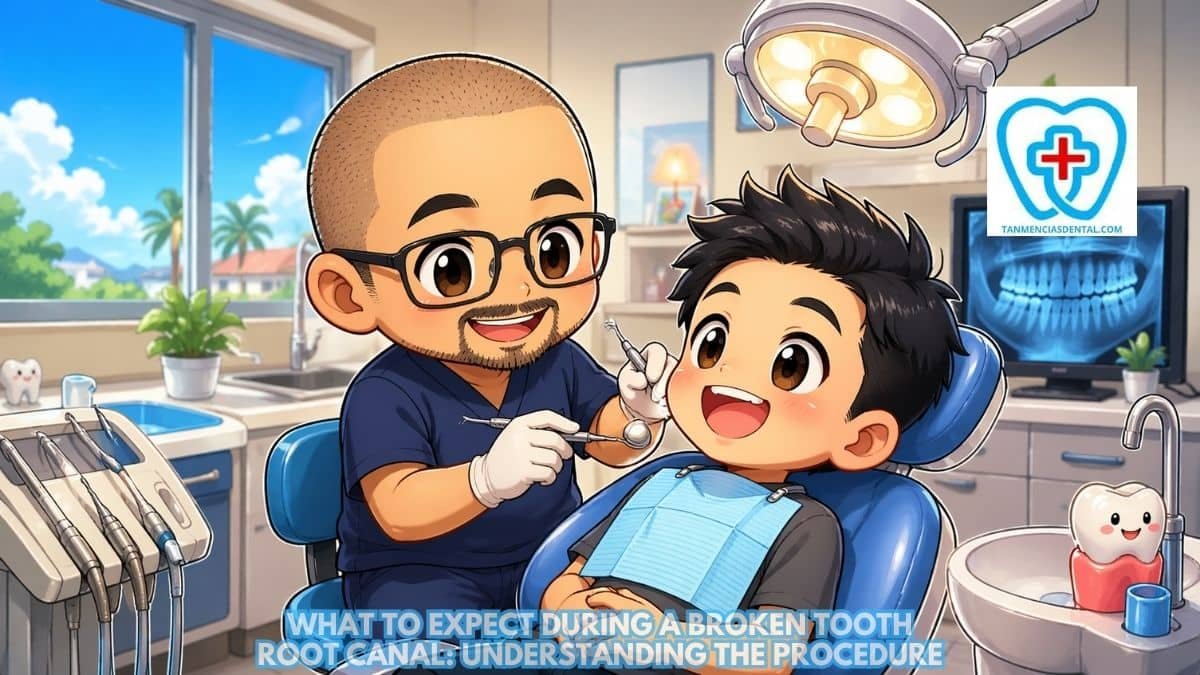
A broken tooth root canal is a treatment used to save a tooth that has been damaged deep into the root.
When the inner pulp becomes infected from a crack or break, removing the damaged tissue and sealing the canals can help stop the infection.
We’ll explain how this procedure works and what you can expect at each stage, from your first visit to recovery.
You may feel unsure or concerned, but understanding the process can help you feel more at ease.
Along the way, we’ll cover how the tooth is treated, how long it may take, and how to care for it after the procedure.
With the right care, this treatment can help keep your natural tooth strong and functional.
1. Initial Consultation: Your First Step to Recovery
Your initial consultation is a key step where the dentist carefully checks a cracked or broken tooth and the tissues around it.
The dentist looks for signs of damage, such as a fractured tooth, to understand how serious the problem is.
X-rays are usually taken to see inside the tooth and determine how far the fracture has reached and if there is any infection.
These images help the dentist decide if you may need a root canal or another type of treatment.
During the visit, you will talk about your symptoms, such as pain or sensitivity, along with your medical history.
This helps the dentist understand your condition and plan the safest approach for your care.
You can also ask questions so you feel more comfortable about the procedure and what comes next.
By the end of the consultation, the dentist will explain your treatment options and create a clear plan to help restore your tooth.
🦷 What Should I Do In The First 48 Hours After Breaking A Tooth?
2. Recognizing the Symptoms That May Require a Root Canal
When a broken tooth leads to an infected pulp, there are several symptoms to watch for that may indicate a need for a root canal.
Persistent or sharp tooth pain is a major symptom that often worsens when chewing or applying pressure.
You might also experience sensitivity to temperature, such as pain when consuming hot or cold foods.
Swelling or tenderness in the gums near the broken tooth, as well as discoloration of the tooth itself, are other common indicators.
Recognizing these signs early helps prevent complications, such as the spread of infection to other areas.
🦷 What You Need to Know About Drinking Orange Juice After Brushing Teeth
3. Preparing for Your Root Canal Appointment
Proper preparation for your root canal appointment can help make this dental procedure smoother and more comfortable.
Before your visit, your dentist may prescribe antibiotics if there is a serious infection to help reduce swelling around the broken tooth.
It is a good idea to eat a light meal ahead of time since your mouth may stay numb for a few hours after the dental procedure.
You should also avoid alcohol and smoking in the days before your appointment, as these can slow healing and increase the risk of complications.
Taking time to ask questions about the dental procedure, anesthesia, and aftercare can help you feel more prepared.
Being informed and ready can make the entire experience easier and less stressful.
🦷 What to Do About a Broken Tooth Molar: Understanding Your Pain
4. Understanding Anesthesia: Staying Comfortable During the Procedure
Anesthesia plays a crucial role in ensuring your comfort throughout the root canal procedure.
A local anesthetic is applied to numb the area around the broken tooth, so you won’t feel pain during the treatment.
The dentist will usually test the numbness before starting to ensure you’re fully comfortable.
In certain cases, if you feel anxious or have trouble staying calm, sedation options may also be offered to help you relax.
The anesthesia typically wears off a few hours after the procedure, and any mild discomfort during this time can be managed with pain relief medication.
🦷 The Ultimate Guide to Dental Cleaning in Marikina: What to Expect and How to Prepare

5. Step-by-Step Breakdown of the Root Canal Procedure
The root canal treatment begins with the dentist numbing the area to keep you comfortable during the procedure.
A dental dam is then placed around the tooth to keep it clean and dry while the work is done.
Next, the dentist creates a small opening to reach the dental pulp inside the tooth, where the infection or damage is found.
Using special tools, the dentist carefully removes the infected dental pulp and cleans the canals to remove bacteria.
After cleaning, the canals are shaped so they can be properly filled and sealed.
This step helps prevent bacteria from returning inside the tooth.
The canals are then filled with a material called gutta-percha, which seals the space and protects the tooth.
In the final step, the dentist places a filling, and in many cases, a crown is added to restore strength and function.
🦷 Understanding Preventive Dental Care Solutions for Families
6. How Long Will the Root Canal Take?
The duration of a root canal depends on factors such as the severity of the damage and the tooth’s location.
A typical root canal for a broken tooth usually takes between 60 and 90 minutes.
If the infection is extensive or if the tooth has multiple roots, the procedure may take longer or require a second visit.
After the initial root canal, a follow-up appointment may be necessary to place a permanent crown or finalize the restoration.
This timing allows the dentist to ensure the tooth has healed properly before completing the treatment.
🦷 Things to Consider Before Getting a Prosthodontic Procedure
7. Understanding the Risks and Possible Complications of a Root Canal
While a root canal is generally safe and effective, it is important to understand that some risks may still occur.
In some cases, reinfection can happen if the treated tooth is not sealed properly, allowing bacteria to enter again.
Teeth with complex root structures may have small canals that are difficult to detect, which can sometimes lead to missed areas during treatment.
After the procedure, the tooth may become more fragile, especially if a crown is not placed to protect it from breaking.
It is also normal to experience some sensitivity, although this may last longer for certain patients depending on the condition of the tooth.
In rare situations, the tooth may not heal as expected, and additional treatment such as retreatment or a minor surgical procedure may be needed.
Understanding these possibilities helps you stay informed and better prepared for your recovery.
🦷 What Can A Dental Repair Kit Actually Fix?
8. What to Expect After Your Root Canal: Sensations and Discomfort
It’s normal to experience some discomfort after the root canal once the anesthesia wears off.
Common sensations include mild swelling, tenderness when chewing, and slight throbbing in the treated area.
Over-the-counter pain relief like ibuprofen or acetaminophen is often recommended to manage this discomfort.
Most patients find that these symptoms subside within a few days, but if pain persists or worsens, it’s important to contact your dentist.
In certain cases, a bit of sensitivity may remain for a week or two, especially if the tooth was significantly infected before the procedure.
🦷 Understanding Black Plaque On Teeth: Causes and Prevention Tips
9. The Importance of Follow-Up Care After a Root Canal
To ensure the success of your root canal and the long-term health of your tooth, follow-up care is essential.
During follow-up visits, your dentist will assess how the tooth is healing and may take additional X-rays to check for any lingering infection.
If a temporary filling was used, this appointment is when a permanent crown or filling is placed to fully protect the tooth.
After the procedure, regular dental checkups allow the dentist to monitor the tooth and ensure that the root canal remains effective.
Ignoring follow-up care could result in reinfection or damage to the tooth, making proper follow-up vital.
🦷 Why Dental Cleanings Are Important
10. Essential Aftercare Tips for a Smooth Recovery
After your root canal, proper aftercare will help speed up recovery and prevent complications.
Avoid chewing hard or crunchy foods on the treated side of your mouth until your dentist confirms the tooth is fully healed.
Practice good oral hygiene by gently brushing and flossing around the affected area to keep it clean.
Using ice packs and over-the-counter pain medication can help reduce swelling and discomfort in the first few days.
Additionally, it’s important to follow any specific instructions given by your dentist to ensure a smooth recovery process.
🦷 Advance Dental Health Program in Marikina
11. Long-Term Outcomes: The Future of Your Tooth After a Root Canal
With proper care, a root canal can help save a broken tooth and keep it working well for many years.
After the procedure, the dentist may recommend a filling or crown to protect the treated tooth from damage.
In many cases, a root canal and crown work together to restore both strength and normal function.
This protection helps reduce the risk of the tooth breaking during daily use.
Good oral hygiene, such as brushing and flossing, plays an important role in keeping the teeth healthy over time.
Regular dental checkups also allow the dentist to monitor the treated tooth and catch any early signs of problems.
Most patients find that their restored tooth feels and functions like a natural tooth.
While retreatment is rarely needed, it may be considered if the tooth does not heal as expected.
🦷 Expert Dental Care for Families in Marikina
👨⚕️ Conclusion
A broken tooth root canal offers a reliable solution for saving a damaged tooth and preventing the need for extraction.
Understanding the procedure, aftercare, and long-term expectations allows you to approach the treatment with confidence and clarity.
Root canal therapy not only relieves pain but also preserves your natural tooth, contributing to better oral health in the long run.
With proper treatment and diligent care, the tooth can be restored to full functionality, allowing you to maintain your smile.
Always remember that seeking timely treatment ensures the best possible outcome for your oral health.
❔ FAQs
1. Is a broken tooth root canal painful?
A broken tooth root canal is usually not painful during the procedure because the dentist uses local anesthesia to numb the area.
Most patients feel little to no pain while the treatment is being done.
After the procedure, you may feel mild soreness or sensitivity for a few days.
This discomfort can be managed with common pain relief medicine.
2. Can a broken tooth heal without a root canal?
A broken tooth will not heal on its own if the inner pulp is infected.
Once bacteria reach the pulp, treatment is needed to remove the infection.
Without a root canal, the infection can spread and cause more serious problems.
Early treatment helps save the tooth and prevent further damage.
3. Why do I need a crown after a root canal?
After a root canal, the treated tooth can become weaker and more likely to break.
A crown helps protect the tooth and restore its strength.
It also improves how the tooth looks and functions when you chew.
In many cases, a crown is an important part of long-term success.
4. How long does it take to fully recover from a root canal?
Most people recover from a root canal within a few days, with only mild discomfort.
Some sensitivity may last for a week or two, especially if the infection was severe.
Following your dentist’s aftercare instructions helps speed up healing.
Full recovery also includes placing a crown if needed.
5. What should I avoid after a root canal?
After a root canal, you should avoid chewing hard or crunchy foods on the treated tooth until it is fully restored.
This helps prevent damage while the tooth is still healing.
It is also best to avoid habits like smoking, as they can slow healing.
Keeping the area clean with gentle brushing and flossing is important for recovery.
😊 Self-Promotion
At Tan-Mencias Dental Clinic in Parang, Marikina City, we are dedicated to providing top-notch dental care in a warm and friendly environment.
Whether you need a routine checkup, treatment for a broken tooth, or any dental service, our experienced team is here to help you achieve a healthy, confident smile.
If you have any questions or concerns, feel free to reach out by calling us at 0917-145-1074, sending a message through our Facebook page, or using the contact form on our website.
We are always pleased to assist you and ensure that your dental experience is smooth and comfortable.
Visit us today and let us take care of your smile!