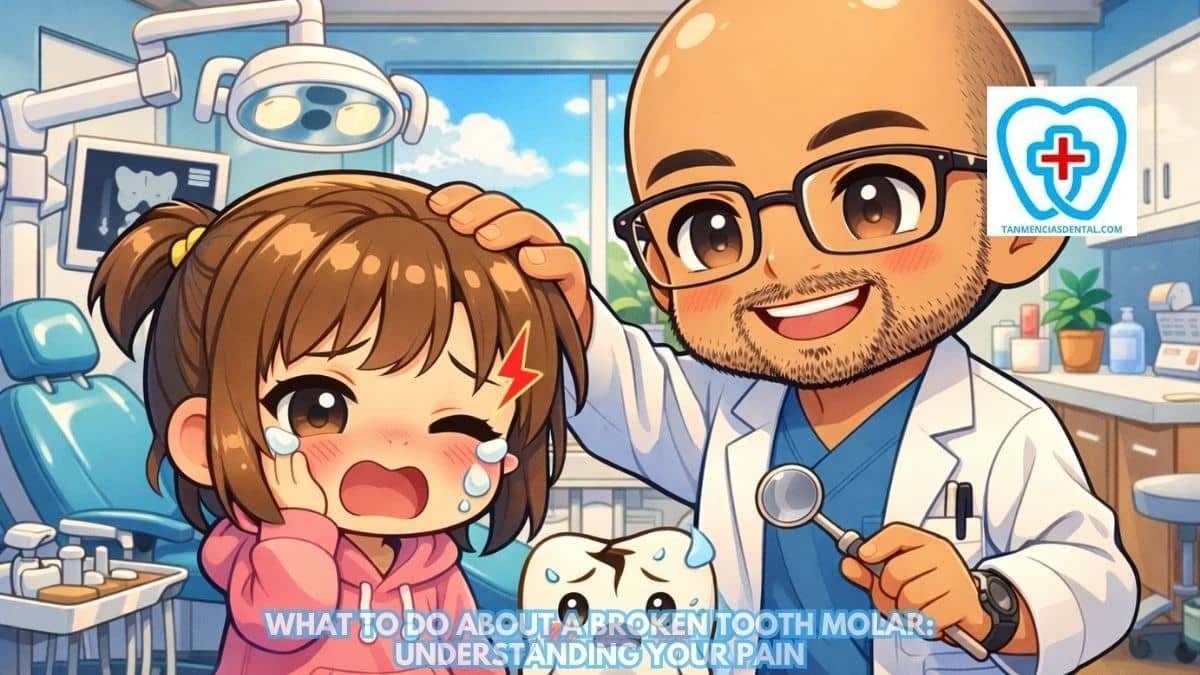
A broken tooth molar can cause pain that ranges from mild discomfort to sharp, intense pressure when you eat or drink.
Because molars handle most of the chewing, they can break from hard foods, decay, or sudden injury.
When this happens, the damage can worsen quickly if we do not act early.
We’ll explain how to recognize the signs, manage pain at home, and know when to seek dental care.
You will also learn about treatment options and what to expect based on the severity of the break.
Taking the right steps early can help protect your tooth and prevent more serious problems.
1. Recognizing the Signs of a Broken Tooth Molar
A broken tooth molar can show clear signs, and many of these match the common symptoms of a cracked tooth.
You may feel sharp pain when you bite down, especially if the crack reaches deeper parts of the tooth.
Sensitivity to hot and cold foods is also common, and this may last longer than usual after eating or drinking.
In some cases, a cracked molar may not be easy to see, but you might notice a chipped edge or a small missing piece.
People with fractured teeth often feel a rough or uneven surface when they run their tongue over the tooth.
There may also be slight bleeding or soreness in the gums around the damaged area.
Paying attention to these signs helps you act early and seek proper dental care before the problem worsens.
🦷 The Ultimate Guide to Dental Cleaning in Marikina: What to Expect and How to Prepare
2. Immediate Relief: How to Manage Your Pain
For immediate pain relief after breaking a tooth molar, over-the-counter pain medication like ibuprofen or acetaminophen can help reduce swelling and ease discomfort.
These medicines can make it easier to eat and rest while you wait to see a dentist.
Applying a cold compress to the outside of your cheek can also help numb the area and control swelling around the damaged tooth.
Rinsing your mouth with warm saltwater helps keep the area clean and may reduce irritation.
It is important to avoid chewing on the damaged tooth, since pressure can make the crack worse and increase pain.
Temporary dental repair kits can also cover the broken area and protect it until you receive proper dental care.
🦷 Understanding Preventive Dental Care Solutions for Families
3. Foods to Avoid When You Have a Broken Tooth Molar
Certain foods can aggravate the pain of a broken molar and increase the risk of further damage.
Hard foods, such as nuts, raw vegetables, or candy, can exert pressure on the broken tooth and cause the crack to worsen.
Sticky foods, such as caramel or chewing gum, can pull on the tooth and dislodge any temporary fillings or coverings.
Extremely hot or cold foods may cause increased sensitivity, making eating uncomfortable.
Instead, opt for soft, neutral-temperature foods like mashed potatoes, oatmeal, or smoothies to avoid further irritation until you can get professional care.
🦷 Things to Consider Before Getting a Prosthodontic Procedure
4. The Importance of Seeking Dental Care Promptly
Seeking dental care as soon as you break a tooth molar is important to stop the problem from getting worse.
Even if the pain feels mild, the damage may still grow deeper and affect the inside of the tooth.
In certain cases, a broken molar requires immediate care, especially if there is swelling, bleeding, or severe pain.
Seeing an emergency dentist right away can help prevent infection and protect the remaining tooth structure.
Early treatment also increases the chances of saving the tooth without needing more complex procedures.
Acting quickly not only reduces pain but also helps keep your overall oral health in good condition.
🦷 What Can A Dental Repair Kit Actually Fix?
5. Treatment Options for a Broken Tooth Molar Explained
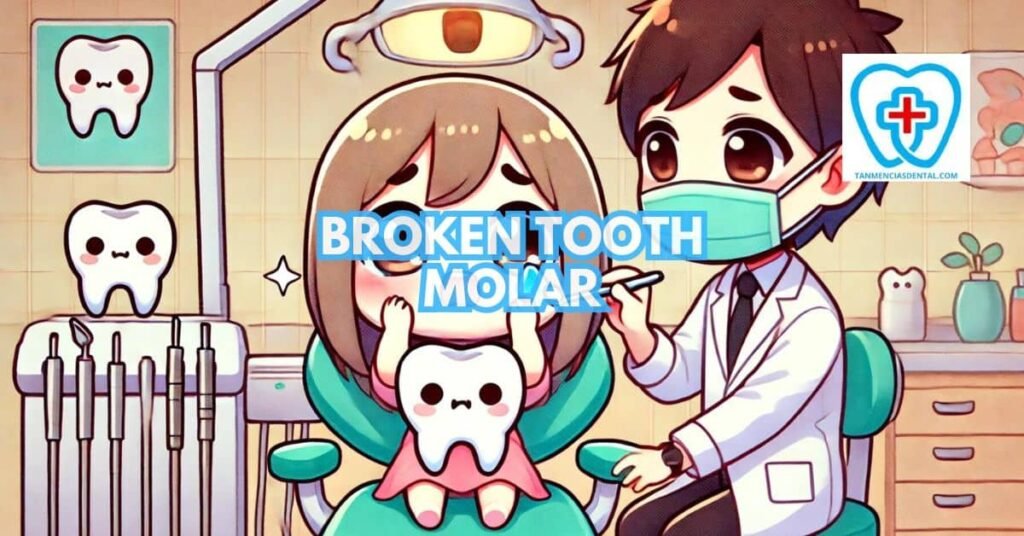
There are several ways a dentist can treat a broken molar, and the choice depends on how deep the damage goes.
If the break is small, bonding can help restore the tooth using a tooth-colored material that blends with your natural teeth.
When the damage is larger, a dental crown may be placed over the tooth to protect it and bring back its shape and strength.
If the crack reaches the inner part of the tooth, the tooth pulp may become exposed and cause pain or infection.
In this case, a root canal to remove the infected pulp is often needed to save the tooth and stop the pain.
After the procedure, a crown is usually added to keep the tooth strong and prevent further damage.
If the tooth cannot be saved, the dentist may remove it and suggest replacing it with an implant or bridge.
🦷 Understanding Black Plaque On Teeth: Causes and Prevention Tips
6. Understanding the Range of Pain Levels
The level of pain you experience from a broken tooth molar can vary based on the extent of the break and the tooth’s condition.
If the break exposes the tooth’s nerve, the pain may be sharp and intense, especially when eating or drinking.
Sometimes, the pain may feel more like a dull ache or mild sensitivity, which can worsen over time if untreated.
Pain from a broken molar is often aggravated by temperature changes, chewing, or even air exposure.
Understanding the pain levels helps you gauge the urgency of seeking dental care and describe your symptoms accurately to your dentist.
🦷 Why Dental Cleanings Are Important
7. When a Broken Molar Becomes a Dental Emergency
Not all broken teeth require immediate emergency care, but some symptoms mean you should see a dentist right away.
Severe and constant pain that does not improve can be a sign that the nerve inside the tooth is affected.
Swelling in the face or jaw may indicate an infection that could spread if not treated quickly.
A fever or a bad taste in your mouth can also point to an abscess, which needs urgent attention.
If you have trouble opening your mouth or swallowing, the problem may be more serious than a simple crack.
Bleeding that does not stop after some time is another warning sign that should not be ignored.
Knowing these signs helps you act quickly and avoid more serious health problems.
🦷 Why is Dental Care More Important Than Ever During Pregnancy?
8. Coping with Dental Anxiety Before Your Appointment
Many people experience anxiety before visiting the dentist, especially when dealing with a painful issue like a broken tooth molar.
To manage this anxiety, try relaxation techniques such as deep breathing exercises or progressive muscle relaxation.
Distractions like listening to music, reading, or watching videos can help keep your mind off the upcoming appointment.
If you tell your dentist your concerns, he or she can adjust treatment to make you more comfortable.
Knowing that the visit will ultimately relieve your pain can also help ease some of the anxiety surrounding the appointment.
🦷 Understanding the Causes of a Broken Tooth Crown: What You Need to Know
9. Potential Complications of Ignoring Your Broken Tooth
Ignoring a broken tooth molar can lead to several complications that may affect both your dental and overall health.
One common issue is infection, as bacteria can enter through the break and spread to the pulp, leading to a painful abscess.
If left untreated, this infection can spread to other parts of your body, posing a more serious health risk.
Additionally, the break may worsen over time, making it harder for your dentist to repair and potentially leading to tooth loss.
Addressing a broken molar early helps prevent these complications and avoid the need for more extensive treatments later.
🦷 Can a Smile Makeover Actually Boost Your Professional Success?
10. Preventing Future Injuries: Tips for Dental Safety
After experiencing a broken tooth molar, it’s important to take steps to prevent future injuries.
Avoid chewing on hard objects like ice, pens, or hard candies, which can weaken your teeth over time.
If you play sports or grind your teeth at night, wearing a custom-fitted mouthguard can protect your teeth from trauma.
Brushing and flossing regularly to maintain good oral hygiene will help strengthen your teeth and reduce the risk of decay, which can lead to fractures.
Being mindful of your dental health and making small changes to your daily habits can significantly reduce the risk of breaking another tooth.
🦷 Dental Diagnostics In Marikina
11. The Importance of Long-Term Dental Care
Maintaining long-term dental care is key to keeping your molars strong and preventing future issues.
Regular dental checkups allow your dentist to spot potential problems early, such as cracks or decay that could lead to a broken tooth.
Brushing twice a day with fluoride toothpaste, flossing, and using mouthwash help maintain the integrity of your teeth by removing plaque and preventing cavities.
Healthy eating habits that minimize sugary snacks and drinks also contribute to the longevity of your teeth.
Investing in consistent dental care not only protects your teeth but also supports overall oral health.
🦷 Experienced Family Dental Clinic in Marikina
👨⚕️ Conclusion
Dealing with a broken tooth molar requires prompt action to avoid further complications and pain.
By managing immediate discomfort, seeking timely dental care, and following your dentist’s treatment plan, you can restore your tooth and prevent long-term damage.
Moving forward, maintaining good oral hygiene and taking preventive measures will help protect your molars from future injuries.
It’s important to remember that addressing dental issues early is always the best approach.
Protecting your molars will lead to better oral health and improved well-being over time.
❔ FAQs
1. Can a broken tooth molar heal on its own?
A broken tooth molar cannot heal on its own because teeth do not repair like skin or bones.
Once the tooth is cracked or chipped, the damage will stay or worsen over time.
Even if the pain goes away, the tooth may still be at risk of infection.
It is best to see a dentist to prevent further problems.
2. Is it safe to delay treatment if the pain is mild?
Mild pain does not always mean the problem is minor.
A broken molar can still worsen even if it does not hurt much at first.
Small cracks can grow deeper and reach the nerve or cause infection.
Seeing a dentist early helps avoid more serious and costly treatment.
3. Can I still brush and floss a broken tooth molar?
Yes, you should continue brushing and flossing, but do it gently around the broken tooth.
Keeping the area clean helps prevent bacteria from entering the damaged part of the tooth.
Avoid putting too much pressure on the affected area.
Good oral hygiene can help reduce the risk of infection before your dental visit.
4. What happens if a broken molar becomes infected?
If a broken molar becomes infected, you may feel severe pain, swelling, or notice a bad taste in your mouth.
The infection can spread to the inside of the tooth and form an abscess.
This condition may require treatments like a root canal or even tooth removal.
Early care helps stop the infection before it gets worse.
5. How long can I wait before seeing a dentist for a broken molar?
It is best to see a dentist as soon as possible, even if the pain is manageable.
Waiting too long can lead to more damage or infection.
In some situations, a delay can turn a simple fix into a more serious procedure.
Getting care early gives you better chances of saving the tooth.
😊 Self-Promotion
Visit Tan-Mencias Dental Clinic in Parang, Marikina City, for top-notch dental care delivered with a friendly smile.
Our experienced team is here to ensure your teeth are in their best shape, offering personalized care for every patient.
Please use the contact form on our website, call us at 0917-145-1074, or send us a message via our Facebook page if you have any questions or concerns.
We’re always ready to help with any dental needs you may have.
Let’s work together to keep your smile healthy and bright!