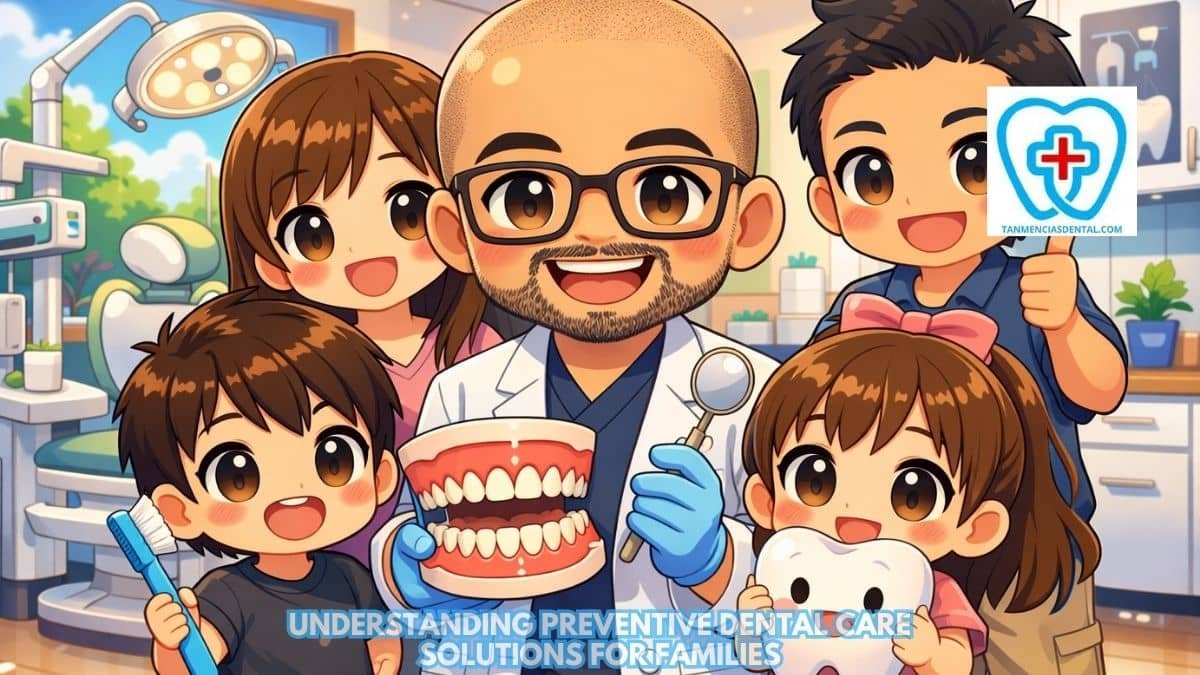
Preventive dental care helps families avoid serious oral health problems before they start.
It focuses on simple dental care solutions like regular checkups, daily hygiene, and protective treatments that keep teeth strong.
Starting these habits early makes it easier to maintain healthy teeth at every stage of life.
When families stay consistent with prevention, they can reduce pain, lower costs, and avoid complex dental procedures.
Good habits, along with the right care, support both oral health and overall well-being.
We’ll explain the key preventive dental care solutions that can help your family build and maintain healthy smiles over time.
1. Why Preventive Dental Care Matters for Your Family’s Health
Preventive dental care is essential because it helps catch dental problems early before they turn into painful or expensive issues.
Regular checkups are part of effective dental solutions that allow dentists to monitor changes and provide timely care, such as cleanings, fluoride treatments, or sealants.
These visits support better oral health care by stopping small problems from becoming serious conditions.
In addition, preventive care helps protect against gum disease, which can lead to tooth loss and affect overall health.
For children, it supports proper tooth growth, while adults benefit by keeping their teeth strong as they age.
Families who follow these steps are more likely to receive quality care that keeps their smiles healthy.
Over time, this approach reduces the need for complex treatments and helps maintain long-term dental health.
🦷 Things to Consider Before Getting a Prosthodontic Procedure
2. The Importance of Regular Dental Checkups for All Ages
Consistent dental checkups are a key part of maintaining oral health, regardless of age.
These visits are a core part of general dentistry, where a dental team works together to assess, clean, and protect your teeth.
Children need regular checkups to track tooth growth and receive treatments like fluoride or sealants that help prevent decay.
Adults benefit from routine exams that can detect early signs of cavities or gum disease, even before symptoms appear.
Older adults also need ongoing care to manage issues like gum recession and tooth wear.
During each visit, the dental team provides high-quality dental care by using proper tools and methods to keep teeth and gums healthy.
While most people should visit every six months, some may need more frequent checkups based on their specific oral health needs.
🦷 What Can A Dental Repair Kit Actually Fix?
3. Essential Daily Oral Hygiene Practices Everyone Should Follow
Good oral hygiene begins with brushing teeth twice a day using fluoride toothpaste and flossing daily to remove plaque between the teeth.
It’s also important to clean your tongue, as bacteria can build up and lead to bad breath and oral health problems.
Regularly replacing your toothbrush every three months and using mouthwash can further improve your hygiene routine.
These simple actions are crucial in preventing cavities, gum disease, and other common dental issues.
Families that prioritize these daily practices help ensure long-term oral health for everyone.
🦷 Understanding Black Plaque On Teeth: Causes and Prevention Tips
4. How Diet and Nutrition Affect Your Family’s Dental Health
A well-balanced diet plays a major role in maintaining healthy teeth and gums.
Foods high in sugar and starch feed the bacteria that produce acids, leading to cavities and tooth decay.
On the other hand, calcium-rich foods like dairy products, leafy greens, and almonds help strengthen teeth and support bone health.
Vitamin D is also important, as it aids in calcium absorption, promoting strong teeth.
Encouraging your family to consume a variety of nutritious foods can prevent many common dental problems and promote better overall oral health.
🦷 Why Dental Cleanings Are Important
5. How Saliva and Proper Hydration Help Protect Your Teeth
Saliva plays an important role in keeping your mouth clean and healthy throughout the day.
It helps wash away leftover food and reduces acids that can damage your teeth.
In addition, saliva contains minerals that support the repair of early tooth damage and keep enamel strong.
When the mouth becomes too dry, the risk of cavities and gum problems increases, especially for older adults or those taking certain medications.
Drinking enough water helps your body produce the saliva it needs to protect your teeth.
Choosing water instead of sugary drinks also lowers the chance of tooth decay.
If dry mouth becomes a problem, options like sugar-free gum or saliva substitutes can help keep your mouth moist and comfortable.
🦷 Why is Dental Care More Important Than Ever During Pregnancy?
6. Understanding the Benefits of Fluoride Treatments
Fluoride is a mineral that helps protect teeth from decay by strengthening the enamel, which acts as the tooth’s outer protective layer.
It can also promote remineralization, which can reverse early signs of tooth decay.
Fluoride treatments are particularly beneficial for children whose teeth are still developing, but they can also be valuable for adults who are prone to cavities.
These treatments are quick, painless, and typically done during routine dental checkups.
Incorporating fluoride into your family’s preventive dental care plan can significantly reduce the risk of cavities for everyone.
🦷 Understanding the Causes of a Broken Tooth Crown: What You Need to Know
7. Protecting Young Smiles: The Role of Dental Sealants
Dental sealants provide an extra layer of protection for children’s teeth, especially their molars, which are more prone to cavities.
A sealant is a thin, protective coating applied to the chewing surfaces of the back teeth to block out food particles and bacteria.
Sealants are especially effective in preventing cavities in hard-to-reach areas where brushing might not be as effective.
The application process is quick and non-invasive, making it an easy solution to protect young teeth.
Regular checkups will ensure that the sealants remain intact and continue to safeguard your child’s teeth.
🦷 Can a Smile Makeover Actually Boost Your Professional Success?
8. The Dangers of Tobacco and Alcohol for Oral Health
Tobacco and alcohol use can have severe negative impacts on oral health, increasing the risk of gum disease, tooth loss, and oral cancer.
Smoking weakens the immune system, making it harder for the body to fight off infections like gum disease, while alcohol can dry out the mouth, reducing saliva flow and promoting bacterial growth.
Both substances can lead to stained teeth, bad breath, and more serious conditions if not addressed.
Educating your family on the harmful effects of tobacco and alcohol can prevent these oral health risks and encourage healthier habits.
Avoiding these substances is one of the simplest preventive steps for long-term dental health.
9. Educating Your Family About Good Oral Hygiene Habits
Teaching your family about proper oral hygiene habits is crucial for lifelong dental health.
A family-centered approach helps everyone learn together and stay consistent with daily routines.
Start by showing the correct way to brush and floss, so each person can clean every part of their teeth properly.
Making the process enjoyable for children, such as using fun toothbrushes or simple rewards, can help build strong habits early.
Adults should also stay committed to their routines, since this helps lower the risk of gum disease and tooth decay.
When families practice these habits together, each member is more likely to get the dental care they need and maintain healthy teeth over time.
🦷 Is Your Child’s Mouthguard Actually Doing Its Job?
10. Managing Dental Anxiety for a Stress-Free Visit
Dental anxiety is common, but it is manageable with the right strategy.
Select a dentist with experience in treating children or anxious patients, and let them know about any fears you may have.
Relaxation techniques such as deep breathing or distraction methods, like listening to music, can make visits more comfortable.
Some dental offices even offer sedation options to help ease anxiety during more invasive procedures.
Ensuring your family feels calm and comfortable during appointments helps make regular visits a stress-free part of their routine.
🦷 Basic Dental Needs in Marikina
11. Maximizing Your Dental Insurance for Preventive Care
Dental insurance often covers essential preventive care services such as checkups, cleanings, and fluoride treatments.
To make the most of these benefits, it is important to review your plan and understand what services are included.
Many dental practices can help explain your coverage and guide you on how to use your benefits wisely.
Scheduling visits based on your insurance guidelines helps your family stay consistent with care while avoiding extra costs.
Some plans also include treatments like sealants for children, which add protection against cavities.
By using your insurance properly, you can support regular dental visits and keep your family’s oral health on track without added financial stress.
🦷 Reliable Family Dentistry in Marikina
👨⚕️ Conclusion
Preventive dental care is key to ensuring healthy smiles for every family member.
By focusing on regular checkups, daily hygiene habits, and specific treatments like fluoride and sealants, you can significantly reduce the risk of dental problems.
Encouraging a balanced diet, avoiding harmful substances, and addressing dental anxiety further strengthen your family’s oral health foundation.
Proactively using dental insurance for preventive care also helps minimize long-term costs.
With these practices, families can enjoy healthier teeth and gums for years to come, making preventive care a lifelong priority.
❔ FAQs
1. How often should my family visit the dentist?
Most families should visit the dentist every six months for regular checkups and cleanings.
These visits help detect early signs of cavities, gum disease, or other issues before they worsen.
Some people may need more frequent visits based on their dental health or medical conditions.
It is best to follow your dentist’s advice for a schedule that fits your needs.
2. At what age should children start preventive dental care?
Children should begin preventive dental care as soon as their first tooth appears.
Early visits help dentists check proper tooth growth and guide parents on good oral habits.
Starting young also helps children feel more comfortable with dental visits.
This can lead to better dental care habits as they grow.
3. What are the most important daily habits for healthy teeth?
The most important daily habits include brushing teeth twice a day and flossing once a day.
These steps help remove plaque and food particles that can cause cavities and gum disease.
Cleaning the tongue and using mouthwash can also support oral health.
Staying consistent with these habits helps protect teeth over time.
4. Can drinking water really help prevent tooth decay?
Yes, drinking water helps keep your mouth clean by washing away food and bacteria.
It also supports saliva production, which protects teeth from acids and decay.
Choosing water instead of sugary drinks reduces the risk of cavities.
Staying hydrated is a simple but effective way to support oral health.
5. Are preventive dental treatments safe for children and adults?
Preventive treatments like fluoride and dental sealants are safe for both children and adults when done by a dentist.
These treatments help protect teeth from decay and strengthen enamel.
They are quick, painless, and commonly used in routine dental care.
Using these treatments as recommended can help reduce the need for more serious procedures later on.
😁 Self-Promotion
Visit Tan-Mencias Dental Clinic in Parang, Marikina City, where we prioritize your family’s oral health with expert care and a friendly atmosphere.
Our team is dedicated to providing top-quality preventive and restorative dental services for patients of all ages.
Have questions or want to book an appointment?
You can reach us at 0917-145-1074, message us through our Facebook page, or use our website’s contact form for your convenience.
We look forward to helping you achieve a healthier, brighter smile!