
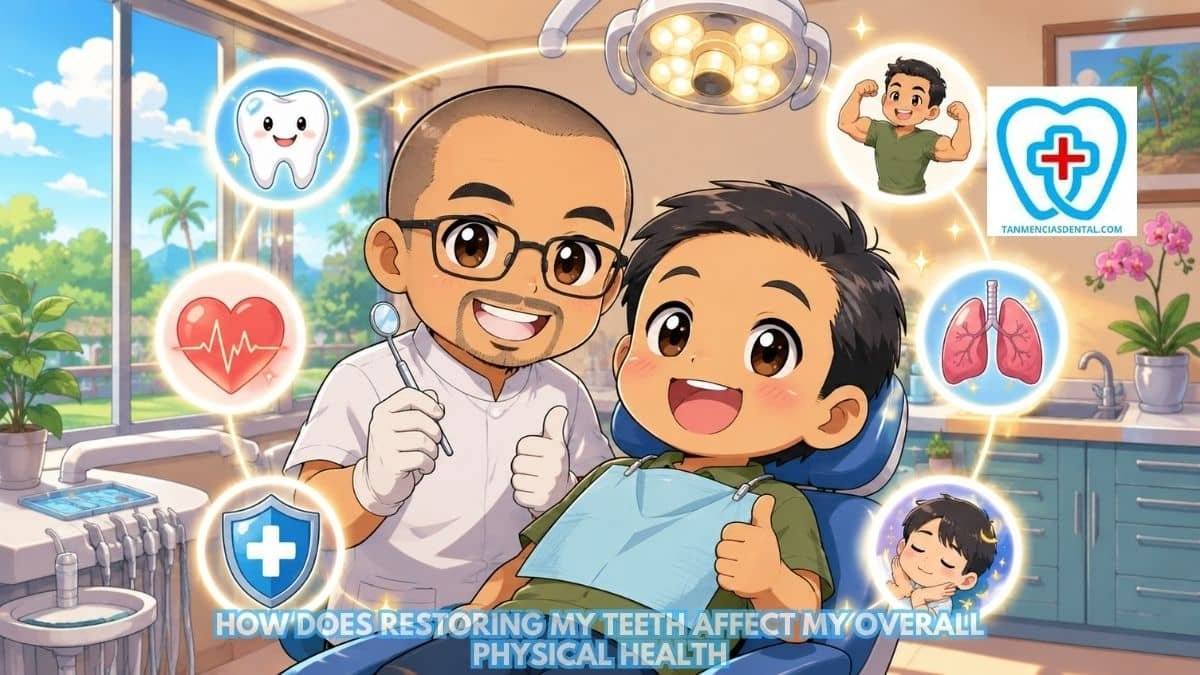
Many people ask, “How does restoring my teeth affect my overall physical health?” when they begin dealing with missing, broken, or painful teeth.
Oral health affects far more than our appearance because the mouth connects closely to the rest of the body.
Infections in the gums or teeth can spread bacteria and increase stress on the immune system over time.
Difficulty chewing can also limit the foods we eat, which may reduce the nutrients our bodies receive each day.
Restoring teeth through fillings, crowns, bridges, implants, or dentures can improve comfort and support healthier daily habits.
Better oral health often leads to better physical health, improved nutrition, and a higher quality of life.
1. Lowers Inflammation Throughout Your Body
Untreated cavities and gum disease can cause long-lasting inflammation inside the mouth, especially when harmful bacteria continue to grow around the teeth and gums.
Periodontal disease, which is a serious form of gum disease, may damage the tissues that support the teeth and increase irritation throughout the body over time.
When infected gums remain untreated, the immune system stays active for long periods while trying to fight the infection.
This constant response may place extra stress on the body and affect oral and systemic health in important ways.
Restoring damaged teeth and treating gum problems can reduce swelling, bleeding, and sensitivity inside the mouth.
As inflammation decreases, the body may use its energy more effectively to support healing and protect healthy tissues.
Lower inflammation may also help reduce discomfort in the joints and muscles for some people who experience chronic irritation.
Cleaner and healthier gums create a stronger barrier that helps prevent harmful bacteria from entering the bloodstream and affecting other parts of the body.
🦷 Can You Get Gingivitis From Kissing? The Truth Behind Oral Hygiene and Romance
2. Protects Your Heart and Cardiovascular System
Poor oral health may increase the amount of harmful bacteria inside the mouth, especially when gum disease and tooth infections remain untreated.
Some oral bacteria can enter small blood vessels through swollen or bleeding gums and spread through the bloodstream to other parts of the body.
With time, this may place extra stress on blood vessels and the cardiovascular system.
Research continues to explore the connection between oral health and cardiovascular disease, particularly in people with long-term gum problems.
Restoring damaged teeth and treating gum disease can help lower the amount of harmful bacteria living inside the mouth.
Healthier gums are less likely to bleed during brushing or eating, which may reduce the chance of bacteria entering circulation.
Better oral care habits, such as daily brushing, flossing, and regular dental cleanings, also support healthier gums and teeth over time.
Reduced oral inflammation may help the body maintain healthier blood flow and stronger overall circulation.
Taking care of our teeth and gums supports both oral comfort and long-term heart health.
🦷 Heartburn After Brushing Teeth: Unraveling the Mystery Behind Oral Discomfort
3. Helps Control and Stabilize Blood Sugar Levels
Gum infections can make it harder for the body to use insulin properly, especially in people with diabetes.
Ongoing inflammation may lead to blood sugar changes that become more difficult to manage over time.
Restoring damaged teeth and treating oral infections can help reduce this stress on the body.
Healthier gums may support more stable blood sugar levels and improve comfort during meals.
Reduced pain also makes it easier to follow healthy habits such as eating balanced foods and brushing regularly.
Better oral health and better blood sugar control often support each other in important ways.
🦷 Can I Brush My Teeth With Salt Every Day? Exploring the Benefits and Risks
4. Improves Digestion Through Better Chewing
Healthy teeth play an important role in digestion because the process begins in the mouth before food reaches the stomach.
Strong teeth help break food into smaller pieces, making it easier for the stomach and intestines to process nutrients properly.
When teeth are damaged or missing, large pieces of food may be swallowed, which can make digestion less comfortable and less effective.
Dental restoration treatments such as crowns, bridges, dentures, and implants can improve bite strength and restore normal chewing function.
Better chewing also allows saliva to mix with food more evenly, which supports the early stages of digestion.
One of the important benefits of restorative dentistry is helping people eat a wider variety of healthy foods without pain or difficulty.
Improved chewing comfort may encourage healthier eating habits, including more fruits, vegetables, and protein-rich foods.
Stronger digestion and better nutrition can support overall energy levels, stomach comfort, and long-term physical health.
🦷 Restore Your Teeth With Dental Fillings in Marikina
5. Allows You to Eat a Healthier, More Balanced Diet
Many people avoid healthy foods because painful or missing teeth make chewing difficult and uncomfortable.
Crunchy vegetables, fresh fruits, nuts, and lean meats often become harder to eat when teeth are weak, sensitive, or damaged.
Restoring teeth can improve chewing comfort and make it easier to enjoy a wider variety of nutritious foods again.
A balanced diet provides important nutrients such as protein, calcium, fiber, iron, and vitamins that help support the body every day.
Better nutrition can strengthen bones, improve muscle function, support the immune system, and help maintain healthy energy levels.
The close connection between oral health and overall health becomes easier to see when healthy teeth allow people to eat proper meals more comfortably and consistently.
Comfortable eating also helps reduce stress during mealtimes and encourages healthier long-term eating habits.
🦷 Understanding Black Tartar Teeth: Causes, Effects, and Prevention
6. Relieves Jaw Pain and Chronic Headaches
Missing or uneven teeth can place extra pressure on the jaw joints and facial muscles.
Over time, this strain may lead to jaw soreness, teeth grinding, tension headaches, and neck discomfort.
Restoring teeth can improve the way the upper and lower teeth fit together during chewing and speaking.
Better alignment often reduces pressure on the jaw muscles and joints.
Less tension in these areas may lower the frequency of headaches and facial pain throughout the day.
Improved comfort can also make sleeping and daily activities easier.
🦷 Dental Implants vs. Dentures: Which is the Better Long-Term Solution for Missing Teeth
7. Preserves Your Jawbone and Facial Structure
The jawbone needs regular stimulation from healthy teeth to stay strong and stable.
When teeth are missing, the bone underneath can slowly shrink because it no longer receives enough pressure during chewing.
Restorative treatments such as dental implants can help maintain bone strength and support natural facial shape.
Preserving the jawbone also helps keep nearby teeth from shifting out of place.
Strong bone support improves overall bite function and facial balance over time.
Maintaining facial structure may also help support clearer speech and easier chewing.
🦷 Tooth Extraction in Marikina: Understanding Pain Management and Recovery
8. Reduces the Risk of Lung and Respiratory Infections
Bacteria from unhealthy teeth and gums can sometimes travel into the lungs during breathing, coughing, or sleeping.
In some cases, bacteria from infected teeth may enter the respiratory system and increase the risk of certain lung and breathing problems.
This concern may be greater in older adults, people with weakened immune systems, or individuals who already have respiratory conditions.
Treating oral infections and restoring damaged teeth can help lower the amount of harmful bacteria living inside the mouth.
Cleaner gums, healthier teeth, and proper oral care may reduce the chance of bacteria reaching the lungs over time.
Better oral hygiene also supports fresher breath, healthier saliva production, and a cleaner environment inside the mouth.
Protecting oral health can support healthier breathing and may help lower the risk of respiratory infections in the long term.
🦷 Exploring the Benefits of Brushing Teeth With Baking Soda: A Natural Approach to Oral Hygiene
9. Supports Better Breathing and Healthier Sleep
Dental pain and oral swelling can make breathing less comfortable, especially during sleep when the body is trying to rest and recover.
Missing teeth or jaw problems may also affect the position of the mouth, tongue, and airway at night, which can interfere with proper airflow.
Restoring damaged or missing teeth can improve jaw support and help reduce irritation and pressure inside the mouth.
Better oral comfort often makes it easier to sleep without waking up often because of pain or discomfort.
The connection between oral health and sleep quality becomes clearer when healthy teeth and gums support easier breathing and more restful sleep.
Quality sleep helps the body repair tissues, balance hormones, and restore energy more effectively each night.
Improved breathing and deeper sleep may also support better concentration, mood, and daily energy levels.
🦷 Can Tooth Decay Cause Headaches? Uncovering the Surprising Connection!
10. Boosts Daily Energy and Eliminates Chronic Discomfort
Living with tooth pain or oral infection can make everyday activities feel exhausting.
Constant discomfort may affect concentration, appetite, and emotional well-being over time.
Restoring damaged teeth often removes sources of pain that place stress on the body each day.
Better oral health can make eating, sleeping, and speaking feel more natural and comfortable.
Reduced pain also allows us to stay more active and productive throughout daily routines.
Increased comfort and improved nutrition often lead to stronger energy levels over time.
🦷 Basic Dental Needs in Marikina
11. How Does Restoring My Teeth Affect My Overall Physical Health Over Time
Many oral health problems become more serious when they are left untreated for long periods.
Restoring teeth early can help prevent infections, bone loss, and damage to nearby teeth.
Long-term dental care also supports stronger eating habits and more consistent nutrition as we age.
Healthy teeth and gums may reduce physical stress caused by chronic pain and inflammation.
Improved oral function can support clearer speech, better confidence, and easier social interaction throughout life.
Understanding how restoring my teeth affects my overall physical health helps us see the close connection between oral care and total body wellness.
🦷 Trusted Family Dental Clinic in Marikina
👨⚕️ Conclusion
Restoring damaged or missing teeth affects much more than appearance alone.
Healthy teeth support important body functions such as chewing, digestion, breathing, and sleep quality.
Treating oral infections can also reduce inflammation and lower the spread of harmful bacteria throughout the body.
Better oral health often improves comfort, energy levels, and the ability to eat nutritious foods every day.
Taking action early can help prevent more serious dental and physical health problems in the future.
Protecting our teeth is an important step toward supporting long-term overall physical health.
❔ FAQs
1. What dental treatments can help restore damaged or missing teeth?
Several dental treatments can restore damaged or missing teeth, depending on the condition of the mouth.
Common options include fillings, crowns, bridges, dentures, root canal treatment, and dental implants.
Each treatment helps improve chewing, comfort, and oral function in different ways.
A dentist can examine the teeth and recommend the best option based on your needs and overall oral health.
2. Can restoring my teeth improve my daily quality of life?
Restoring damaged teeth can make everyday activities feel easier and more comfortable.
Many people notice improvements in eating, speaking, sleeping, and smiling after treatment.
Reduced pain and better chewing ability can also improve mood and energy levels throughout the day.
Better oral health often helps people feel more confident in social situations as well.
3. How long should I wait before restoring missing or damaged teeth?
It is usually best to restore damaged or missing teeth as early as possible.
Waiting too long may lead to gum problems, shifting teeth, bone loss, and difficulty chewing.
Early treatment can help prevent more serious dental problems that may require more complex care later.
Visiting a dentist quickly also increases the chances of protecting nearby teeth and supporting long-term oral health.
4. Can poor oral health affect other parts of the body?
Poor oral health may affect several parts of the body when harmful bacteria and inflammation spread beyond the mouth.
Gum disease has been linked to problems involving the heart, blood sugar control, and respiratory health.
Painful or missing teeth can also affect nutrition because people may avoid healthy foods that are difficult to chew.
Taking care of the teeth and gums supports both oral health and overall physical wellness.
5. How can I maintain my restored teeth and gums after treatment?
Good daily habits help protect restored teeth and keep the mouth healthy over time.
Brushing twice a day, flossing daily, and attending regular dental checkups can reduce the risk of future problems.
Eating balanced meals and limiting sugary foods may also help protect the teeth and gums.
Following the dentist’s instructions after treatment is important for long-lasting results and better overall oral health.
😊 Self-Promotion
Visit Tan-Mencias Dental Clinic for friendly and professional dental care for you and your family.
Our clinic is located at 44 G. Del Pilar Street, Parang, Marikina City, where we provide quality treatments in a clean and comfortable space.
If you have questions or concerns, you can call us at 0917-145-1074, and our team will gladly assist you.
You may also send us a message through our Facebook page or through the contact form on our website for quick and easy communication.
We look forward to helping you achieve a healthier and brighter smile.