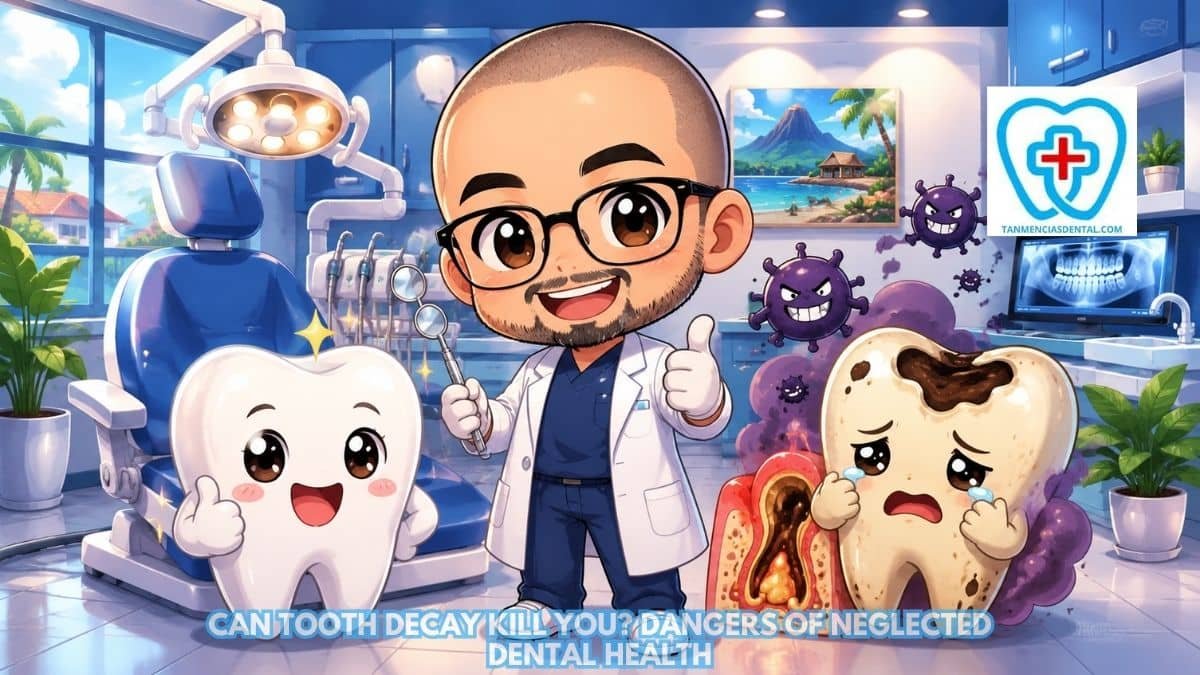
Tooth decay is often seen as a minor dental problem, but it can lead to serious health complications when left untreated.
Many people ask, “Can tooth decay kill you?” especially when severe pain, swelling, or infection begins to develop.
In rare cases, bacteria from an infected tooth can spread to other parts of the body and affect major organs such as the heart, lungs, and brain.
We’ll explain how untreated cavities and gum infections can become dangerous and why early treatment matters.
You’ll also learn the warning signs of a dental emergency and the steps that help protect both your oral health and overall well-being.
Taking care of your teeth is not only important for your smile, but also for your long-term health and safety.
1. Understanding the Link Between Tooth Decay and Overall Health
Tooth decay can be more dangerous than many realize, as it often leads to serious health issues beyond just the teeth.
When bacteria from decaying teeth enter the bloodstream, it can cause infections in vital organs such as the heart and lungs.
In severe cases, this bacterial spread can lead to endocarditis, which is an infection of the heart’s lining.
The inflammation caused by oral bacteria can also lead to blood clot formation, blocking normal blood flow and increasing the risk of stroke or heart attack.
Additionally, people with underlying conditions like diabetes may see worsened symptoms, as their immune systems are already compromised.
A weakened immune response makes it harder for the body to manage infections, further elevating the risk of systemic health problems.
This highlights why taking care of your teeth is not just about preventing cavities but also protecting your overall health and reducing the risk of a possible cause of death.
🦷 How Does Restoring My Teeth Affect My Overall Physical Health
2. Neglected Dental Health: How It Can Lead to Serious Consequences
Neglecting dental health can lead to far more serious problems than cavities and tooth pain.
When decay or gum disease is left untreated, bacteria can spread deeper into the tooth and surrounding tissues, increasing the risk of infection.
In many cases, a dental abscess may form, causing swelling, severe pain, fever, and pus around the affected area.
If the infection continues to spread, it can reach the jaw, neck, or bloodstream and become a life-threatening infection.
Some severe dental infections may even make breathing or swallowing difficult, especially when swelling affects nearby soft tissues.
Hospital treatment and emergency procedures are sometimes needed to control advanced infections and prevent further complications.
Regular brushing, flossing, and routine dental visits can help stop dental problems early before they become dangerous to overall health.
🦷 Can You Get Gingivitis From Kissing? The Truth Behind Oral Hygiene and Romance
3. The Surprising Ways Tooth Decay Can Impact Your Well-being
Tooth decay can drastically diminish the quality of life by affecting one’s ability to eat, speak, and sleep.
Persistent pain from decay can lead to the avoidance of certain foods, compromising nutritional health.
This can cause weight loss, a weakened immune response, and an overall deterioration of health.
Psychological effects, including anxiety and depression, can also arise from chronic dental pain.
Moreover, the aesthetic issues related to decaying teeth can impact social interactions and self-esteem.
🦷 Heartburn After Brushing Teeth: Unraveling the Mystery Behind Oral Discomfort
4. Don’t Ignore Your Teeth: The Potential Life-threatening Risks of Untreated Cavities
Untreated cavities can damage the inner part of the tooth, allowing bacteria to reach the sensitive pulp and surrounding tissues.
As the infection grows, a painful tooth abscess may develop near the root or gums.
This pocket of pus can cause severe tooth pain, swelling, fever, and difficulty chewing or swallowing.
Without proper treatment, a tooth infection can become more dangerous as bacteria spread into nearby tissues and even enter the bloodstream.
In severe cases, the infection may lead to sepsis, which is a potentially life-threatening condition that requires immediate medical care.
Some infections can also spread to the jaw, neck, or other parts of the body if they are ignored for too long.
Early treatment, such as fillings, root canals, or draining an abscess, can stop the infection before serious complications develop.
Paying attention to tooth pain and seeking dental care quickly can help protect both your oral health and your overall well-being.
🦷 Can I Brush My Teeth With Salt Every Day? Exploring the Benefits and Risks
5. Warning Signs That Tooth Decay Needs Emergency Care
Tooth decay can turn into a serious medical problem when an infection spreads deeper into the gums, jaw, or nearby tissues.
One major warning sign is severe swelling in the face, especially when the swelling reaches the eyes, neck, or jaw area.
Some people may also experience trouble breathing or swallowing because the swelling can place pressure on the airways.
When the infection spreads beyond the mouth, symptoms such as fever, dizziness, confusion, or extreme tiredness may begin to appear.
Pus draining from the gums or around a tooth is another sign that a serious abscess may be present and needs immediate treatment.
Ignoring these symptoms can allow bacteria to enter the bloodstream, increasing the risk of dangerous conditions such as sepsis.
Severe infections may also damage nearby bones and soft tissues if treatment is delayed for too long.
Getting prompt dental or medical care can help control the infection early and reduce the risk of life-threatening complications.
🦷 Restore Your Teeth With Dental Fillings in Marikina
6. From Bad Breath to Fatal Infections: The Dangers of Ignoring Dental Hygiene
Poor dental hygiene can lead to much more than bad breath because it allows harmful bacteria to grow inside the mouth.
When plaque and food particles remain on the teeth for long periods, they increase the risk of gum disease, cavities, and infection.
An untreated tooth infection can slowly spread deeper into the gums and surrounding tissues, causing pain, swelling, and damage to the teeth.
In some cases, severe tooth infections may form abscesses filled with pus, which often require urgent dental treatment.
If these infections are ignored, bacteria can enter the bloodstream and travel to other parts of the body.
Tooth infections can lead to serious health problems involving the heart, lungs, and other major organs.
People with health conditions such as diabetes may face an even higher risk because their bodies may struggle to fight infection properly.
Simple daily habits like brushing, flossing, and regular dental checkups can greatly lower the chance of developing dangerous oral infections.
Taking care of your teeth and gums is an important step toward protecting both your oral health and your overall well-being.
🦷 Understanding Black Tartar Teeth: Causes, Effects, and Prevention
7. Why Tooth Decay Shouldn’t be Taken Lightly: A Look at the Lethal Consequences
The progression of tooth decay can be slow and go unnoticed until serious symptoms emerge.
By the time many people seek treatment, the decay may require extensive intervention or have caused irreversible damage.
Advanced decay can lead to infections that are not only painful but also life-threatening if they spread beyond the oral cavity.
Education about the seriousness of dental decay is essential to ensuring timely and proactive care.
Viewing tooth decay as a significant health risk can motivate better personal dental care habits.
🦷 Dental Implants vs. Dentures: Which is the Better Long-Term Solution for Missing Teeth
8. Protecting Your Smile, Protecting Your Life: The Importance of Preventing Tooth Decay
Preventing tooth decay plays an important role in maintaining both oral and overall health.
Daily habits such as brushing with fluoride toothpaste, flossing, and limiting sugary foods can help keep teeth and gums healthy.
Regular dental checkups also allow dentists to find small problems early before they turn into painful infections or severe damage.
Treatments like dental sealants and fluoride applications provide extra protection by strengthening the teeth against decay.
Taking these preventive steps can help protect your oral health and lower the risk of serious complications linked to untreated cavities and gum disease.
Good dental care not only helps preserve your smile but also supports your long-term health and well-being.
🦷 Tooth Extraction in Marikina: Understanding Pain Management and Recovery
9. Fluoride: Your Shield Against Tooth Decay
Fluoride strengthens tooth enamel, making it more resistant to acid attacks from plaque bacteria and sugars in the mouth.
It plays a crucial role in remineralizing enamel, effectively reversing early signs of tooth decay before they develop into cavities.
Common sources of fluoride include fluoridated water, toothpaste, mouth rinses, and professional dental treatments, ensuring that individuals can easily incorporate it into their daily oral hygiene routines.
Despite its proven benefits, some misconceptions and concerns about fluoride’s safety persist, but extensive research supports its safe and effective use in preventing tooth decay.
By understanding and utilizing fluoride, you can maintain stronger, healthier teeth and significantly reduce the risk of developing serious dental issues.
🦷 Exploring the Benefits of Brushing Teeth With Baking Soda: A Natural Approach to Oral Hygiene
10. Beyond Aesthetics: How Oral Health Impacts Your Overall Physical Health
Oral health influences much more than the appearance of one’s smile.
Conditions like periodontitis, a severe form of gum disease, are linked to systemic health issues such as heart disease and stroke.
Also, respiratory diseases and conditions like arthritis can get worse as a result of periodontitis’ inflammation.
Furthermore, poor oral health during pregnancy is associated with premature births and low birth weight.
Maintaining good oral hygiene is therefore not just about keeping teeth looking good; it’s essential for maintaining systemic health.
🦷 Dental Diagnostics In Marikina
11. Taking Control of Your Dental Care: Steps to Avoid the Potentially Deadly Effects of Tooth Decay
Proactive dental care is key to preventing the severe consequences of tooth decay.
Regular brushing and flossing remove plaque and reduce the risk of cavities and gum disease.
It is important to use the correct technique and tools, such as a fluoride toothpaste and a soft-bristle toothbrush, for optimal oral health.
Diet also plays a critical role; reducing sugar intake and eating acidic foods can help protect enamel from decay.
Lastly, making routine visits to the dentist for checkups and cleanings can catch problems early before they develop into more serious conditions.
🦷 Comprehensive Dental Solutions for Families in Marikina
👨⚕️ Conclusion
The potential health risks associated with neglected tooth decay are too significant to overlook.
Dental health is a critical component of overall health and should be taken seriously to avoid any life-threatening conditions.
Regular dental care, combined with good hygiene practices at home, forms the best defense against the dangers of tooth decay.
By taking action today to care for your teeth, you’re not only preserving your smile but also protecting your life.
Embrace these habits to ensure a healthier future, demonstrating that taking care of your mouth is indeed taking care of your entire body.
❔ FAQs
1. Can a tooth infection spread to other parts of the body?
Yes, a serious tooth infection can spread beyond the mouth if it is not treated early.
Bacteria from an infected tooth may enter the bloodstream and travel to organs such as the heart, lungs, or brain.
In severe cases, this can lead to dangerous health problems like sepsis or heart infections.
Early dental treatment helps stop the infection from spreading further.
2. What are the signs that tooth decay is getting worse?
Tooth decay may become more serious when symptoms start to worsen or last for a long time.
Common warning signs include severe tooth pain, swelling in the gums or face, bad breath, pus around the tooth, and trouble chewing food.
Some people may also develop a fever or sensitivity to hot and cold foods.
These symptoms should not be ignored because they may point to a deep infection.
3. How can I prevent tooth decay from becoming dangerous?
Good oral hygiene is one of the best ways to prevent serious dental problems.
Brushing twice a day with fluoride toothpaste and flossing daily helps remove plaque and bacteria from the teeth and gums.
Regular dental checkups also allow dentists to find cavities early before they become severe.
Limiting sugary foods and drinks can further reduce the risk of tooth decay.
4. Is tooth decay more dangerous for people with certain health conditions?
Yes, some people face a higher risk of complications from tooth decay and gum infections.
Individuals with diabetes, weakened immune systems, or heart conditions may have a harder time fighting infections.
Poor oral health can also make some medical conditions worse over time.
This is why people with ongoing health problems should pay close attention to dental care.
5. When should I seek emergency care for a tooth infection?
Emergency care may be needed if a tooth infection causes severe swelling, difficulty breathing, or trouble swallowing.
High fever, dizziness, confusion, or swelling that spreads to the neck or eyes are also serious warning signs.
These symptoms may mean the infection is spreading through the body and needs fast medical treatment.
Getting help quickly can prevent life-threatening complications.
😊 Self-Promotion
Visit us at Tan-Mencias Dental Clinic, located in the heart of Parang, Marikina City, where your smile and health are our top priorities!
Our friendly team is ready to provide you with the best dental care in a comfortable and welcoming environment.
For any questions or to schedule an appointment, feel free to call us at 0917-145-1074, send us a message through our Facebook page, or reach out via our website’s contact form.
We’re here to assist with all your dental needs and ensure you leave with a brighter smile.
Choose Tan-Mencias Dental Clinic for a healthier, more radiant smile today!