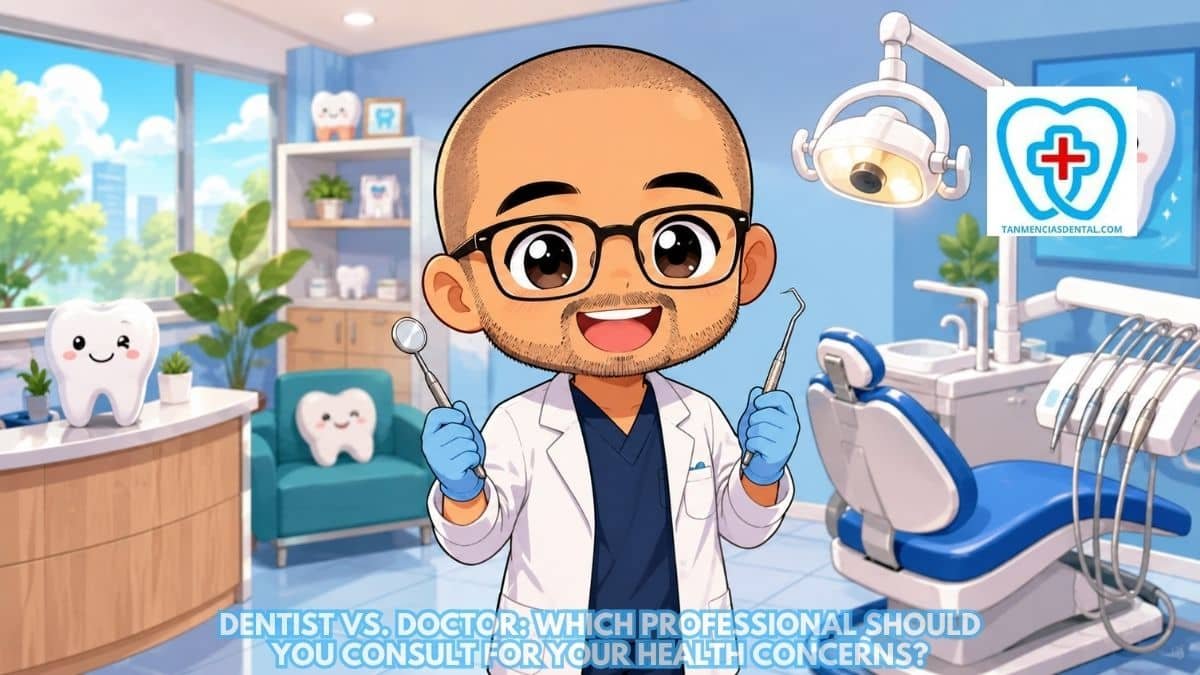
When something doesn’t feel right, you may wonder whether you should see a dentist or a doctor. Some situations are straightforward: a toothache usually calls for a dentist, while a persistent cough is more likely to require a doctor. But other symptoms, such as jaw pain, facial swelling, or mouth sores, can make the choice less obvious.
As a general rule, see a dentist for problems involving your teeth, gums, mouth, and certain jaw conditions. See a doctor for symptoms involving your overall physical health or conditions affecting other parts of your body.
There are exceptions, though. Oral health and general health are connected, and some conditions may require care from both dental and medical professionals. Certain symptoms may also require urgent or emergency treatment rather than a routine appointment.
Knowing where to start can help you get the appropriate care sooner and avoid unnecessary delays.
Key Takeaways
- See a dentist for toothaches, cavities, broken teeth, bleeding or swollen gums, tooth sensitivity, and many other problems involving the teeth and gums.
- See a doctor for general health concerns such as persistent fever, cough, unexplained fatigue, changes in weight, skin problems, or symptoms affecting other parts of the body.
- Some concerns, including jaw pain, facial swelling, persistent mouth sores, and certain infections, may require evaluation by a dentist, doctor, or both.
- Oral and overall health can affect each other, particularly with conditions such as diabetes and gum disease.
- Don’t wait for a routine appointment if you have potentially life-threatening symptoms. Severe difficulty breathing, significant chest pain, signs of stroke, or swelling that interferes with breathing or swallowing may require emergency medical care.
- Regular dental and medical checkups can help identify health problems before they become more difficult to treat.
1. Dentist vs. Doctor: What’s the Difference?
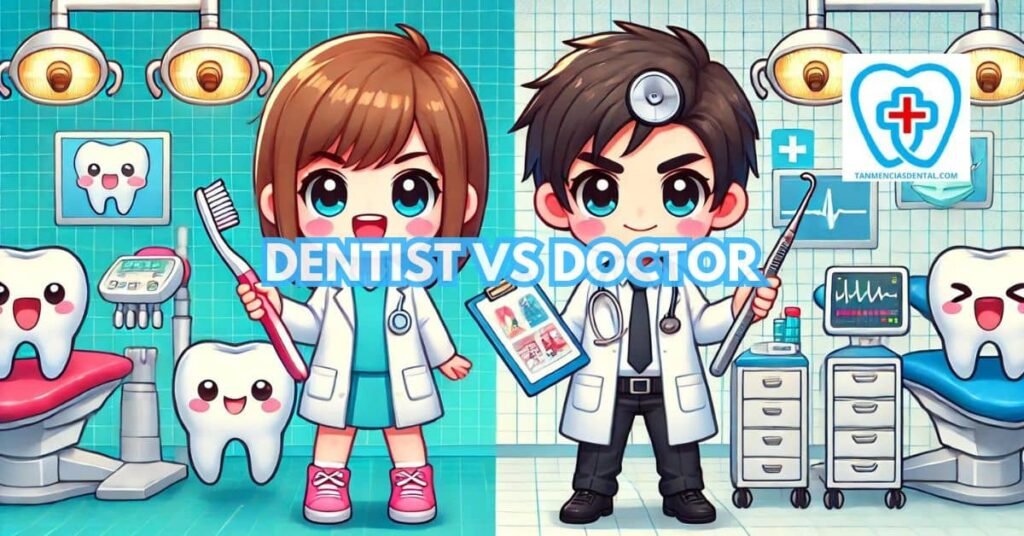
Dentists and doctors are both healthcare professionals, but their primary areas of expertise are different.
A dentist specializes in oral health. Dentists diagnose, prevent, and treat conditions involving the teeth, gums, mouth, and surrounding structures. They commonly treat cavities, gum disease, tooth infections, broken teeth, and other dental problems.
Depending on the condition, a dentist may also refer you to a dental specialist, such as an orthodontist, periodontist, endodontist, or oral and maxillofacial surgeon.
A doctor, or physician, evaluates conditions affecting your general health and other parts of your body. Doctors diagnose and manage everything from infections and injuries to chronic diseases such as diabetes and high blood pressure.
Primary care doctors can also refer you to specialists when necessary.
The distinction sounds simple, but symptoms sometimes overlap. That’s why it’s useful to consider both where your symptoms are occurring and what may be causing them.
🦷 Is It Too Late To Start Brushing My Teeth? Why It’s Never Too Late for a Brighter Smile!
2. Should You See a Dentist or Doctor?
If you’re unsure where to start, this quick guide can help:
| Health Concern | Who Should You See? |
| Toothache | Dentist |
| Cavity or broken tooth | Dentist |
| Bleeding or swollen gums | Dentist |
| Tooth sensitivity | Dentist |
| Suspected tooth infection | Dentist; urgent medical evaluation may also be needed if serious symptoms develop |
| Persistent bad breath | Dentist |
| Jaw pain | Dentist or doctor, depending on the suspected cause |
| Persistent mouth sores | Dentist or doctor |
| Facial swelling | Dentist or doctor; urgent care may be necessary if severe or rapidly worsening |
| Persistent fever without an obvious dental cause | Doctor |
| Persistent cough | Doctor |
| Unexplained fatigue or weight change | Doctor |
| Skin problems | Doctor |
| High blood pressure or diabetes | Doctor |
| Significant chest pain | Emergency medical care |
| Severe difficulty breathing | Emergency medical care |
| Swelling affecting breathing or swallowing | Emergency medical care |
This table is only a general guide. Symptoms can have many possible causes, so an examination may be necessary to determine what is actually happening.
If you’re uncertain, contacting either your dentist or primary care provider is a reasonable starting point. They can advise you whether your symptoms fall within their area of care or whether you should see another professional.
🦷 Dentist vs. Orthodontist: Understanding the Key Differences in Dental Care
3. When Should You See a Dentist?
You don’t have to wait until you have severe tooth pain to make a dental appointment. Many dental conditions are easier to manage when they’re identified early.
Consider seeing a dentist if you experience:
- Persistent tooth pain
- Pain when biting or chewing
- Tooth sensitivity to hot, cold, or sweet foods
- Bleeding, swollen, or tender gums
- A loose permanent tooth
- A cracked, chipped, or broken tooth
- Swelling around a tooth or the gums
- Persistent bad breath or an unpleasant taste in your mouth
- Jaw discomfort that appears to be related to your teeth or bite
- Changes in the appearance or condition of your teeth and gums
You should also have routine dental examinations based on the schedule recommended for your individual oral health needs.
Dental problems don’t always cause noticeable symptoms at first. Cavities and gum disease, for example, may develop before you experience significant discomfort.
Regular examinations give your dentist an opportunity to identify these problems earlier.
What About a Tooth Infection?
A suspected tooth infection is an important reason to contact a dentist promptly.
An infection may develop when bacteria reach the inner portion of a tooth or surrounding tissues. Symptoms can include severe or persistent toothache, sensitivity, swelling, pain when chewing, or a bad taste in the mouth.
A dentist can determine the source of the infection and recommend appropriate dental treatment.
However, dental infections can occasionally spread beyond the affected area. If swelling is rapidly increasing or you develop difficulty breathing or swallowing, seek urgent or emergency medical care.
🦷 Interesting Things About Dry Brushing Your Teeth You Need to Know!
4. When Should You See a Doctor?
A doctor is generally the appropriate professional when your symptoms involve your overall health or parts of the body outside your teeth and gums.
Consider contacting a doctor if you experience symptoms such as:
- Persistent or recurring fever
- A cough that doesn’t improve
- Unexplained or persistent fatigue
- Unexplained changes in weight
- Recurring headaches
- Digestive problems
- New or persistent skin changes
- Dizziness or weakness
- Symptoms related to high blood pressure, diabetes, or another chronic condition
- New symptoms that persist, worsen, or interfere with your daily activities
A primary care doctor can evaluate your symptoms, order tests when appropriate, recommend treatment, and refer you to a specialist if necessary.
However, some symptoms shouldn’t wait for an ordinary doctor’s appointment.
🦷 Can You Brush Your Teeth 3 Times A Day? What Dentists Wish You Knew
5. When Should You Seek Urgent or Emergency Medical Care?
Sometimes the most important question isn’t whether to see a dentist or doctor; it’s whether you need immediate medical attention.
Seek emergency medical care for potentially life-threatening symptoms, such as:
- Severe difficulty breathing
- Significant or persistent chest pain or pressure
- Signs of a possible stroke, such as sudden weakness, facial drooping, difficulty speaking, or confusion
- Loss of consciousness
- Severe uncontrolled bleeding
- A serious allergic reaction affecting breathing
- Rapidly worsening swelling of the face, mouth, throat, or neck that affects breathing or swallowing
Dental problems can occasionally become medical emergencies as well. For example, an infection originating from a tooth can sometimes spread into surrounding tissues.
If you’re experiencing severe or rapidly worsening symptoms, don’t wait for a routine dental or medical appointment.
🦷 Can Tooth Decay Kill You? Dangers of Neglected Dental Health
6. What If Your Symptoms Could Be Dental or Medical?
Not every symptom fits neatly into one category.
Your mouth is part of your body, and changes in your oral health can sometimes be related to conditions elsewhere. Likewise, certain medications and medical conditions can affect your teeth, gums, saliva, and other tissues in your mouth.
Here are a few situations where the distinction may be less clear.
Jaw Pain
Jaw pain can have several possible causes.
Problems involving the teeth, bite, jaw joint, or surrounding dental structures may be evaluated by a dentist. However, jaw discomfort can sometimes have non-dental causes.
If you’re unsure, your dentist or doctor can help determine where the problem is coming from and refer you when appropriate.
Mouth Sores
Occasional minor mouth sores are common, but a sore that doesn’t heal deserves attention.
A dentist can examine abnormalities involving the tissues of the mouth, while a doctor may evaluate whether an underlying medical condition or medication could be contributing to the problem.
Dry Mouth
Dry mouth can increase your risk of tooth decay and other oral health problems, so it’s worth mentioning to your dentist.
However, dry mouth can also be associated with medications and certain medical conditions. In those situations, your doctor may also need to be involved.
Facial Swelling
If facial swelling appears to originate from a tooth or gum problem, contact a dentist promptly.
However, facial swelling can have causes unrelated to dental disease. Rapidly worsening swelling, particularly if it involves the throat or affects breathing or swallowing, requires urgent medical attention.
🦷 How Does Restoring My Teeth Affect My Overall Physical Health
7. How Oral Health and Overall Health Are Connected
Dental care and medical care shouldn’t be viewed as completely separate.
One of the clearest examples is diabetes and gum disease. Poorly controlled diabetes can increase the risk and severity of periodontal disease, while severe gum disease may make blood glucose management more difficult.
Researchers have also found associations between periodontal disease and certain cardiovascular conditions. However, an association doesn’t necessarily mean that gum disease directly causes heart disease.
Other medical conditions and treatments can affect oral health as well. Some medications, for example, can cause dry mouth, which may increase the risk of tooth decay.
This is why it’s important to tell your dentist about your medical conditions and medications, and to tell your doctor about significant or recurring oral health problems when relevant.
🦷 Can You Get Gingivitis From Kissing? The Truth Behind Oral Hygiene and Romance
8. Why Preventive Dental and Medical Care Both Matter
You shouldn’t only visit a healthcare professional when something hurts.
Preventive care gives both dentists and doctors an opportunity to identify risk factors and health problems before they become more serious.
During routine dental care, your dentist may look for signs of:
- Tooth decay
- Gum disease
- Oral infections
- Problems with existing dental work
- Changes in oral tissues
- Other conditions affecting your teeth, gums, and mouth
Routine medical care may include evaluation of factors such as blood pressure, cholesterol, blood glucose, vaccinations, and recommended health screenings based on your age, medical history, and individual risk factors.
How often you need dental or medical visits isn’t necessarily the same for everyone. Your healthcare professionals can recommend an appropriate schedule based on your individual needs.
🦷 Heartburn After Brushing Teeth: Unraveling the Mystery Behind Oral Discomfort
9. Dentists and Doctors Can Work Together
Sometimes the best healthcare isn’t about choosing one professional over the other.
Dentists and doctors may need to coordinate care when a medical condition affects oral health, when dental treatment could be influenced by a medical condition or medication, or when symptoms don’t have an obvious cause.
For example, your dentist may want to know about:
- Diabetes
- Cardiovascular conditions
- Bleeding disorders
- Allergies
- Pregnancy
- Previous surgeries or major illnesses
- Prescription and over-the-counter medications
Similarly, your doctor may need to know about significant dental infections, persistent oral symptoms, or treatments that could affect your medical care.
Keeping both professionals informed gives them a more complete picture of your health.
🦷 Basic Dental Needs in Marikina
Final Thoughts: Dentist or Doctor?
Knowing whether to see a dentist or a doctor doesn’t have to be complicated. If your concern mainly involves your teeth, gums, or mouth, a dentist is usually the right place to start. For symptoms involving your overall health or other parts of your body, a doctor is generally the better choice.
Some symptoms, however, don’t fit neatly into one category. Jaw pain, facial swelling, persistent mouth sores, and certain infections may require evaluation by a dentist, doctor, or both. When you’re unsure, contacting either professional can help point you in the right direction.
Most importantly, don’t delay care because you’re uncertain about whom to see. Severe or rapidly worsening symptoms, particularly difficulty breathing or swallowing, significant chest pain, or other signs of a medical emergency, require immediate medical attention.
Dentists and doctors may focus on different areas of healthcare, but both contribute to the same goal: protecting your health and helping you stay well.
🦷 Quality Family Dentistry in Marikina City
Frequently Asked Questions
1. Can a doctor treat a tooth infection?
A doctor may be able to evaluate complications from an infection and provide medical treatment when appropriate, but the underlying dental problem generally requires treatment by a dentist.
For example, medication alone may not correct the source of an infection inside a damaged tooth. Dental treatment may be necessary to address the cause.
If you suspect a tooth infection, contact a dentist promptly. Seek urgent medical care if you develop serious or rapidly worsening symptoms, particularly swelling that interferes with breathing or swallowing.
2. Should I see a dentist or doctor for jaw pain?
It depends on the likely cause.
If the pain seems connected to your teeth, bite, or jaw joint, a dentist may be a good starting point. If the discomfort appears unrelated to your teeth or is accompanied by other medical symptoms, a doctor may be more appropriate.
Because jaw discomfort can occasionally accompany serious medical conditions, seek immediate medical attention when it occurs with concerning symptoms such as chest discomfort, shortness of breath, faintness, or other signs of a possible emergency.
3. Should I see a dentist or doctor for mouth sores?
Either may be appropriate depending on the situation.
A dentist can examine sores and other changes involving the tissues of your mouth. A doctor may be appropriate if the sores appear to be associated with an underlying illness, medication, or symptoms elsewhere in your body.
Have a persistent, recurring, or unusual mouth sore professionally evaluated rather than assuming it’s harmless.
4. Can a dental infection make you sick?
Yes. A dental infection can cause pain and swelling and, in some cases, may spread beyond the original tooth or surrounding tissues.
That’s why suspected dental infections shouldn’t be ignored. Contact a dentist promptly, and seek urgent or emergency medical care if you develop rapidly increasing swelling, difficulty breathing or swallowing, or other severe symptoms.
5. Should I see a dentist or doctor for facial swelling?
If the swelling appears to originate from a tooth, gum, or other dental problem, contact a dentist promptly.
If you’re unsure of the cause, a doctor can also evaluate facial swelling. Rapidly worsening swelling or swelling that affects your airway or ability to swallow requires urgent medical attention.
6. Can medical conditions affect my teeth and gums?
Yes. Certain medical conditions can affect oral health.
Diabetes, for example, is associated with an increased risk of gum disease, particularly when blood glucose isn’t well controlled. Some medications and medical treatments can also contribute to dry mouth or other oral changes.
Make sure your dentist knows about your medical conditions and medications so they can consider them when planning your dental care.
7. Can a dentist identify health problems unrelated to my teeth?
Dentists primarily diagnose and treat oral health conditions, but an examination may reveal signs that warrant further medical evaluation.
If your dentist notices something that may fall outside dental care, they may recommend that you see a doctor or another healthcare professional.
8. How often should I visit a dentist and doctor?
There isn’t one schedule that’s right for everyone.
The frequency of dental visits depends on factors such as your oral health, risk of cavities and gum disease, and previous dental problems. Medical checkups and screenings similarly depend on your age, health history, risk factors, medications, and existing conditions.
Ask your dentist and doctor how often they recommend seeing you based on your individual health needs.
9. What should I do if I don’t know whether my problem is dental or medical?
Start with the professional who seems most closely related to your primary symptom. Tooth and gum problems generally point toward a dentist, while broader physical symptoms usually point toward a doctor.
If the cause isn’t clear, contacting either your dentist or primary care provider can help you determine the appropriate next step.
The important thing is not to postpone necessary care simply because you’re unsure whom to call.
Medical Disclaimer
This article is intended for general informational and educational purposes only and should not be considered a substitute for professional medical or dental advice, diagnosis, or treatment. If you have concerns about your oral or overall health, consult a qualified dentist, physician, or other appropriate healthcare professional. If you believe you are experiencing a medical emergency, seek immediate medical attention.
Self-Promotion
At Tan-Mencias Dental Clinic in Parang, Marikina City, we are dedicated to providing top-quality dental care with a personal touch.
Whether you need a routine checkup, cosmetic treatment, or specialized dental work, our friendly and skilled team is here to help you achieve a healthy, confident smile.
You can easily reach out to us with any questions or concerns by calling us at 0917-145-1074, sending a message through our Facebook page, or filling out the contact form on our website.
We believe in making dental care as convenient as possible for our patients.
Visit us today and experience the difference in caring for your smile!