
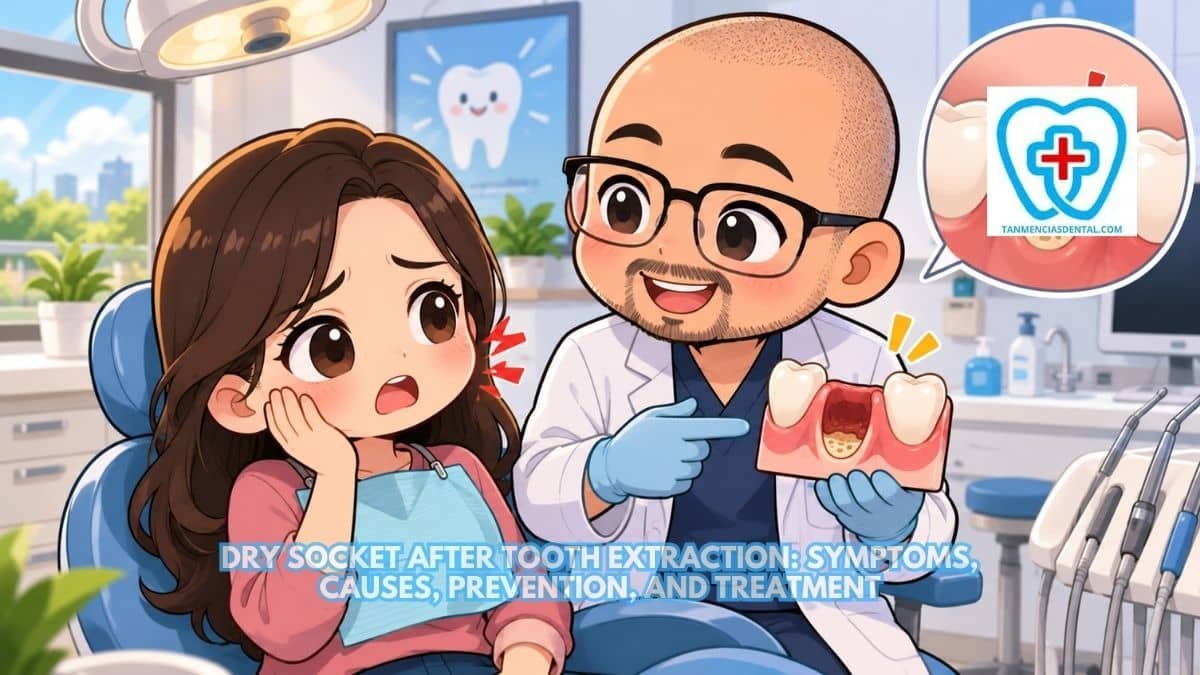
After having a tooth removed, some pain, swelling, and tenderness are normal. In most cases, these symptoms gradually improve as the extraction site heals.
But if the pain becomes more intense a few days after the extraction instead of getting better, you may have a condition called dry socket, or alveolar osteitis.
Dry socket is a painful complication of tooth extraction. It occurs when the protective blood clot in the extraction socket is lost or breaks down too early, leaving the underlying bone and sensitive tissues exposed. The condition is particularly associated with the removal of lower molars and impacted wisdom teeth.
Fortunately, dry socket is treatable. And while it cannot always be prevented, following your dentist’s aftercare instructions can help reduce your risk.
Key Takeaways
- Dry socket is a painful complication that can develop after a tooth extraction.
- Pain typically begins or becomes noticeably worse within the first few days after extraction instead of steadily improving.
- The pain may spread toward the ear, temple, jaw, or neck on the same side.
- An unpleasant taste, bad breath, and an apparently empty extraction socket may also occur.
- Smoking is an established risk factor for dry socket.
- Protecting the extraction site and following your dentist’s instructions can help reduce the risk.
- Dry socket does not automatically mean you have an infection, so antibiotics are not routinely needed.
- If you develop severe or increasing pain after an extraction, contact your dentist rather than attempting to treat the socket yourself.
What Is Dry Socket?
When a tooth is removed, a blood clot normally forms inside the empty space left behind, called the tooth socket.
This clot protects the healing area while new tissue begins to develop.
With dry socket, the clot may be missing or may break down before the socket has healed sufficiently. The result is inflammation of the socket and exposure of sensitive underlying tissue and bone, which can cause significant pain.
Despite the name, the socket does not necessarily have to look completely “dry.”
Dry socket is also different from a typical dental infection. Antibiotics are therefore not routinely recommended for dry socket unless there are signs of spreading or systemic infection or another clinical reason for prescribing them.
🦷 Can Saltwater Help With Gum Disease? Benefits, Limitations, and How to Use It Safely
What Are the Symptoms of Dry Socket?
Some pain immediately after an extraction is expected. One of the most useful clues is how your pain changes over the next few days.
During normal recovery, discomfort should generally start becoming more manageable. With dry socket, significant pain commonly develops within the first few days after extraction or becomes worse after initially seeming to improve.
Common Symptoms of Dry Socket
You may experience:
- Severe, persistent, aching, or throbbing pain around the extraction site
- Pain that gets worse instead of gradually improving
- Pain that spreads toward the ear, temple, jaw, or neck on the affected side
- An extraction socket that appears empty or has little visible clot
- Visible bone in the socket in some cases
- An unpleasant taste in the mouth
- Bad breath or an unpleasant odor coming from the extraction area
Not everyone will have every symptom.
Dry Socket vs. Normal Healing
It can be difficult to tell the difference during the first day or two because soreness, mild swelling, and some blood-tinged saliva can all occur after an extraction.
A useful distinction is the overall trend:
Normal healing: Pain and swelling generally become more manageable as recovery progresses.
Possible dry socket: Significant pain develops or becomes worse after the extraction instead of continuing to improve.
You should not rely on appearance alone to diagnose dry socket. If you have severe or worsening pain, a dentist should examine the extraction site.
🦷 Foods That Cause Gingivitis? What to Limit for Healthier Gums
What Causes Dry Socket?
Dry socket is associated with premature loss or breakdown of the blood clot and inflammation within the extraction socket.
However, its exact biological cause is more complicated than simply having the clot “fall out.” Local tissue trauma, increased breakdown of the clot, and other biological factors may contribute.
Several factors are associated with an increased risk.
1. Smoking
Smoking is one of the best-established risk factors for dry socket.
Smoking can interfere with normal healing, and the sucking action involved may also disturb the extraction site.
Your dentist may advise you to stop smoking before and after an extraction. Avoiding smoking for as long as possible during early healing can help reduce your risk.
2. Disturbing the Extraction Site
During the early stages of healing, activities that interfere with the blood clot may increase the chance of problems.
For the first 24 hours, patients are commonly advised to avoid:
- Vigorous rinsing
- Forceful spitting
- Drinking through a straw
- Sucking on the extraction site
- Touching or poking the socket with the tongue, fingers, or objects
These precautions help protect the developing blood clot.
3. Difficult or Surgical Extractions
Dry socket occurs more commonly after certain extractions, particularly lower molars and impacted wisdom teeth.
More complicated procedures may involve greater manipulation of the surrounding bone and tissues, which may contribute to the risk.
4. Previous Dry Socket
If you have previously developed dry socket after an extraction, tell your dentist before having another tooth removed. Your dental history can help your dentist assess your individual risk and plan appropriate aftercare.
5. Hormonal Factors
Research has found an association between oral contraceptive use and dry socket in some patients.
If you take oral contraceptives, include them when discussing your medications with your dentist. This does not mean that you should stop taking birth control medication on your own. Any medication changes should be discussed with the healthcare professional who prescribed it.
🦷 Simple vs. Surgical Tooth Extraction: What’s the Difference?
How to Prevent Dry Socket
There is no method that can guarantee dry socket will not occur. However, protecting the extraction site and carefully following your dentist’s instructions can reduce preventable risks.
Your own dentist’s instructions should always take priority because aftercare may vary depending on the tooth removed, whether surgery was required, your medical history, and other factors.
Protect the Blood Clot
During the first 24 hours after extraction, avoid unnecessary disturbance of the socket.
Unless your dentist tells you otherwise:
- Do not rinse vigorously.
- Do not spit forcefully.
- Do not drink through a straw.
- Do not suck on the wound.
- Do not poke the socket with your tongue or fingers.
Avoid Smoking
Smoking increases the risk of dry socket and may delay healing.
If you smoke, follow your dentist’s advice about how long to abstain. Avoiding smoking for as long as possible during the early healing period is beneficial.
Follow Your Dentist’s Instructions About Rinsing
In general, vigorous rinsing should be avoided on the day of the extraction.
After about 24 hours, your dentist may recommend gently rinsing the mouth with warm salt water. Avoid aggressive swishing or forceful spitting, which can irritate the extraction site.
Do not place alcohol, hydrogen peroxide, concentrated mouthwash, herbal preparations, oils, powdered medicines, or other home remedies directly into the socket unless specifically instructed by your dentist.
Keep Your Mouth Clean
Good oral hygiene remains important while the extraction heals.
Continue brushing your other teeth, but be gentle around the surgical area. Your dentist will tell you when and how to clean near the extraction site.
Eat Carefully
Soft foods are generally easier to manage during the first few days.
Try to avoid chewing directly over the extraction site, and follow your dentist’s instructions regarding hot, hard, crunchy, or irritating foods.
Take Only Recommended Medicines
If your dentist prescribes or recommends medication, take it exactly as instructed.
Do not automatically take antibiotics after a tooth extraction unless they have been prescribed for you. Routine antibiotics are not considered appropriate treatment for uncomplicated dry socket.
🦷 Can You Brush Your Teeth With Hydrogen Peroxide? Benefits, Risks, and What You Should Know
How Is Dry Socket Treated?
If you think you have dry socket, contact your dentist.
The goal of treatment is primarily to relieve pain, remove irritating debris, and keep the socket comfortable while healing continues.
Examination and Cleaning
Your dentist will examine the area to determine whether dry socket or another problem is causing your symptoms.
When appropriate, the socket may be gently irrigated with saline or another suitable solution to remove food particles or debris.
Do not scrape, probe, or aggressively flush the socket yourself.
Medicated Dressing
In some cases, the dentist may place a soothing or medicated dressing into the extraction socket.
These dressings are intended mainly to relieve pain while the tissues recover and may occasionally require follow-up or replacement.
Pain Relief
Your dentist may recommend an appropriate pain reliever based on your medical history and the medications you already take.
Medicines commonly used for dental pain include paracetamol and nonsteroidal anti-inflammatory drugs, such as ibuprofen, when medically appropriate.
Do not exceed the dose stated on the product label or prescribed by your healthcare professional. NSAIDs such as ibuprofen may not be suitable for everyone, including some people with kidney disease, stomach ulcers, bleeding problems, certain cardiovascular conditions, medication interactions, or other medical concerns.
If you are unsure what you can safely take, ask your dentist, physician, or pharmacist.
Are Antibiotics Needed for Dry Socket?
Usually, no.
Dry socket itself is primarily an inflammatory post-extraction complication rather than an infection that routinely requires systemic antibiotics.
Antibiotics may be prescribed if your dentist finds signs of spreading infection, systemic infection, or another clinical reason for using them.
Do not self-medicate with leftover antibiotics or take antibiotics prescribed for another person. In the Philippines, prescription medicines should be used only as directed by an appropriately licensed healthcare professional.
🦷 What’s the Difference Between Dental Floss and Dental Tape?
How Long Does Dry Socket Last?
Dry socket is generally self-limiting, meaning the extraction site will eventually heal.
However, the pain can be significant and may last for several days. Some patients may need more than one dental visit for symptom management.
Professional treatment does not necessarily make the socket heal instantly, but it can significantly improve comfort while natural healing takes place.
🦷 Tooth Extraction Aftercare: What to Do and What to Avoid for a Smooth Recovery
When Should You Contact Your Dentist?
Contact your dentist if:
- Pain becomes severe or continues to worsen after the extraction
- Pain improves initially and then becomes significantly worse
- Pain spreads toward your ear, jaw, temple, or neck
- You notice a persistent foul taste or unpleasant odor
- Pain medicine is not adequately controlling your symptoms
- You think the socket looks empty or you can see bone
- You are concerned that the extraction site is not healing normally
You should also seek prompt dental or medical assessment if you develop fever, worsening facial swelling, pus, increasing difficulty opening your mouth, or other signs that may suggest infection rather than uncomplicated dry socket.
Difficulty breathing or swallowing, rapidly increasing swelling, or other symptoms affecting your airway require urgent medical attention.
If your dental clinic is closed and you have potentially serious symptoms, seek care from an appropriate hospital or emergency medical facility.
🦷 How to Clean Teeth After Braces Removal: Tips for Maintaining Your Best Smile
Frequently Asked Questions About Dry Socket
1. Is dry socket an infection?
Not usually. Dry socket is an inflammatory complication of tooth extraction associated with loss or premature breakdown of the protective clot and exposure of the socket.
Because it is not automatically a bacterial infection, antibiotics are not routinely required. They may be prescribed if your dentist finds signs of spreading or systemic infection or another clinical indication.
2. When does dry socket usually start?
Dry socket commonly causes significant pain within the first few days after extraction. The key warning sign is pain that becomes severe or worsens instead of gradually improving.
3. What does dry socket feel like?
It often causes persistent, deep, aching, or throbbing pain at the extraction site. The pain may radiate toward the ear, temple, jaw, or neck on the affected side.
An unpleasant taste or bad breath may also occur.
4. What does dry socket look like?
The extraction site may appear to have little or no blood clot, and bone can sometimes be visible.
However, you cannot reliably diagnose dry socket just by looking at it. A healing socket can also look unusual as new tissue develops.
If you’re experiencing significant or worsening pain, have your dentist examine the area.
5. Can dry socket heal on its own?
Yes. The socket can eventually heal naturally.
However, dry socket can be very painful, and professional dental treatment can help control the symptoms and remove irritating debris while healing occurs.
6. Can using a straw cause dry socket?
Using a straw creates suction inside the mouth and is commonly discouraged during the early stage of healing because it may disturb the blood clot.
Follow your dentist’s specific instructions about when it is safe to use a straw again.
7. Can smoking cause dry socket?
Smoking is associated with a higher risk of dry socket and can interfere with healing.
Avoid smoking after an extraction for the period recommended by your dentist.
8. Should I rinse my mouth after an extraction?
Avoid vigorous rinsing on the day of your extraction unless your dentist gives different instructions.
After approximately 24 hours, gentle warm salt-water rinsing is commonly recommended. Avoid forceful swishing or spitting.
9. Can I put medicine directly into a dry socket myself?
You should not put medicines, aspirin, pain-relief tablets, oils, alcohol, hydrogen peroxide, herbs, powders, or other home remedies directly into an extraction socket unless your dentist specifically instructs you to do so.
Some substances can irritate or damage healing tissues.
10. Should I take antibiotics for dry socket?
Do not take antibiotics unless they have been prescribed for you.
Antibiotics do not routinely treat dry socket because the condition itself is not necessarily an infection. Your dentist will decide whether antibiotics are appropriate based on your examination and symptoms.
11. What is the fastest way to relieve dry socket pain?
The best course of action is to see a dentist.
Your dentist can examine the socket, gently clean it when necessary, and may place a soothing or medicated dressing. Appropriate pain medication may also be recommended.
Trying to scrape or aggressively clean the socket yourself can make matters worse.
🦷 Can a Dental Hygienist Work as a Dental Assistant in the Philippines?
The Bottom Line
Most tooth extractions become progressively more comfortable as they heal. If your pain instead becomes severe or noticeably worse during the first few days after extraction, dry socket is one possible explanation.
Dry socket happens when normal healing within the tooth socket is disrupted, and the underlying tissues become exposed and inflamed. Smoking and certain types of difficult extractions can increase the risk.
You can reduce avoidable risks by protecting the extraction site, avoiding smoking, maintaining appropriate oral hygiene, and following the aftercare instructions given by your dentist.
If dry socket does occur, you do not need to simply endure the pain. Contact your dental clinic. A dentist can determine whether you have dry socket or another post-extraction problem and provide appropriate treatment.
🦷 Basic Dental Needs in Marikina
Worried About Pain After a Tooth Extraction? We’re Here to Help
If you have severe or worsening pain after a tooth extraction, visit Tan-Mencias Dental Clinic at 44 G. Del Pilar Street, Parang, Marikina City. Our dental team can check the extraction site, find out what may be causing your pain, and recommend the right treatment. If you have questions or concerns, you can call our dental clinic at 0917-145-1074. You can also send us a message through our Facebook page or our website’s contact form. We’ll be happy to answer your questions and help you take care of your smile.
🦷 Family Dental Services in Marikina
Medical Disclaimer
This article is intended for general educational and informational purposes only and should not be considered a substitute for professional dental or medical advice, diagnosis, or treatment.
Recommendations following tooth extraction may vary depending on the procedure performed, your age, medical conditions, allergies, medications, pregnancy status, and other individual factors. Always follow the specific instructions provided by your dentist or oral surgeon.
Do not start, stop, or change prescription medicines, including antibiotics, without advice from an appropriately licensed healthcare professional.
If you develop severe or worsening pain, fever, significant or rapidly increasing swelling, persistent heavy bleeding, pus, difficulty swallowing or breathing, or other concerning symptoms after a tooth extraction, seek professional dental or medical attention promptly.