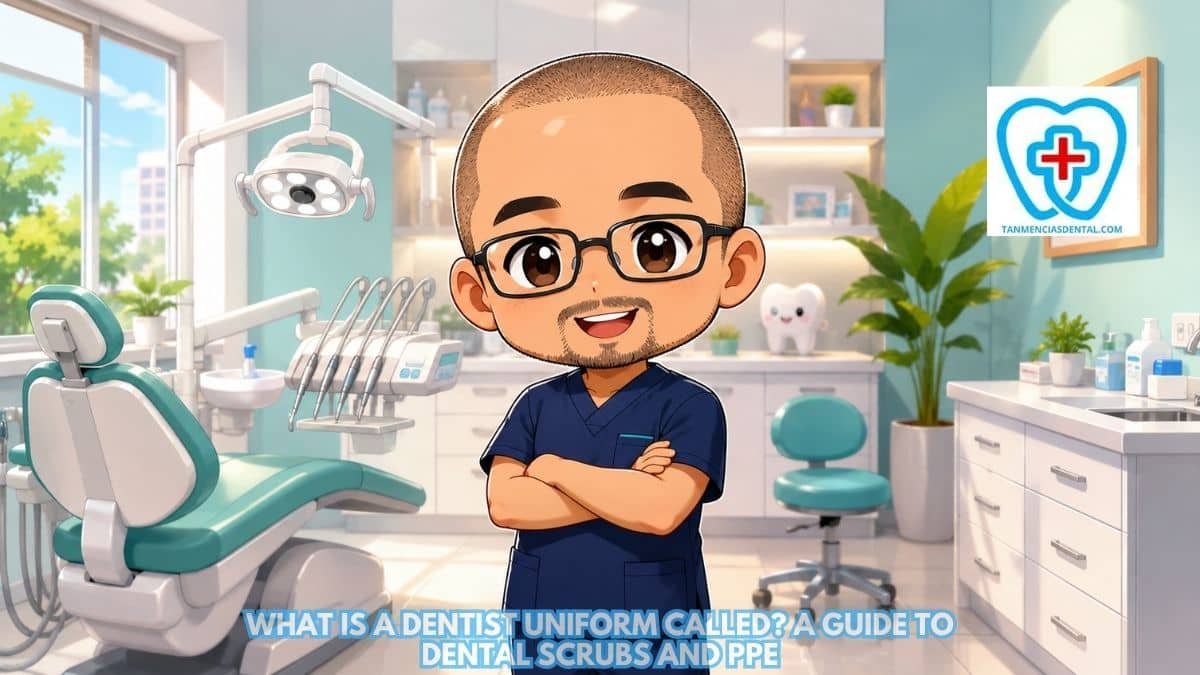
If you’ve ever visited a dental clinic, you’ve probably noticed that dentists and their staff usually wear comfortable, coordinated clothing while working. But what is a dentist’s uniform actually called?
The simplest answer is scrubs. You’ll also hear them referred to as dental scrubs or medical scrubs.
Scrubs are the clinical workwear commonly worn by dentists, dental assistants, and other healthcare professionals. Depending on the procedure and risk of exposure, dental professionals may also wear protective clothing and personal protective equipment (PPE), such as gloves, masks, protective eyewear, face shields, and gowns.
It’s important to understand that scrubs and PPE aren’t exactly the same thing. Scrubs are primarily clinical workwear, while PPE is used to help protect dental professionals and patients from specific workplace and infection risks.
In the Philippines, dental clinics must also consider applicable infection prevention and control, occupational safety, and professional standards when establishing their clinical practices.
Let’s take a closer look at what dentists wear and why it matters.
Key Takeaways
- A dentist’s everyday clinical uniform is commonly called scrubs or dental scrubs.
- Scrubs and PPE serve different purposes. Scrubs are clinical workwear, while PPE provides additional protection against specific hazards and potential exposure.
- Dental PPE may include gloves, masks, protective eyewear, face shields, gowns, and other protective clothing, depending on the procedure and level of risk.
- Good dental workwear should be comfortable, practical, durable, and suitable for the clinical environment.
- Infection prevention involves much more than wearing clean scrubs. Hand hygiene, appropriate PPE, instrument sterilization, environmental cleaning, sharps safety, and other standard precautions are also important.
- Dental clinics in the Philippines should follow applicable infection prevention and control, occupational safety, and professional requirements and guidance.
What Is a Dentist’s Uniform Called?
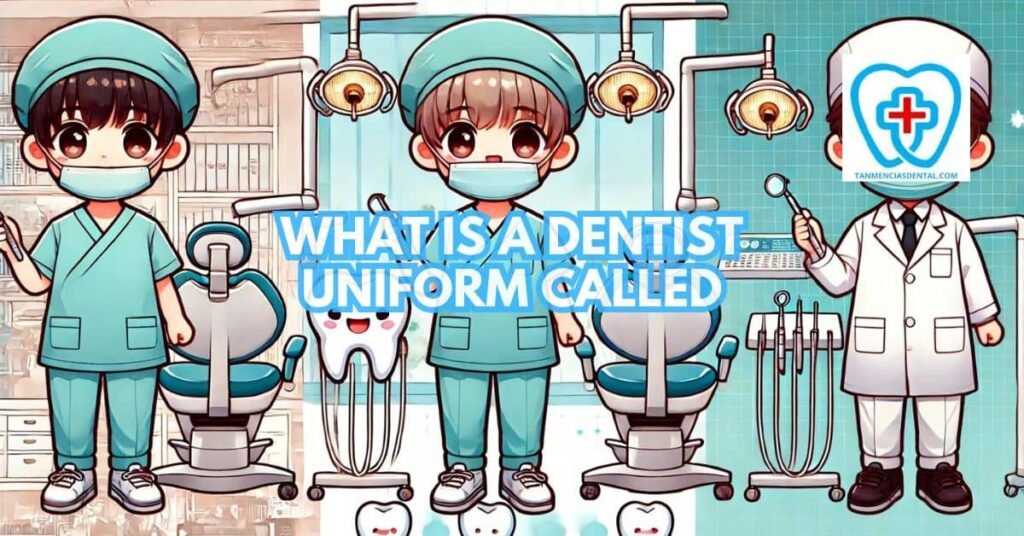
A dentist’s clinical uniform is most commonly called scrubs.
A typical set consists of a scrub top and scrub pants designed to provide comfort and freedom of movement throughout the working day.
There’s no single universal dentist uniform, however. What a dentist wears can vary according to the clinic, type of procedure, workplace policies, and infection-control requirements.
A dentist may wear:
- A scrub top and scrub pants
- Appropriate clinical footwear
- A protective gown, jacket, or lab coat when indicated
- Gloves
- A surgical or procedure mask, or an appropriate respirator when required
- Protective eyewear
- A face shield when appropriate
The last several items are generally considered personal protective equipment (PPE) rather than simply being part of a dentist’s uniform.
🦷 Tooth Extraction: What to Expect Before, During, and After the Procedure
Scrubs vs. PPE: What’s the Difference?
It’s easy to group everything a dentist wears under the term “uniform,” but there’s an important distinction between scrubs and PPE.
Scrubs
Scrubs are the clothing dental professionals commonly wear while working. They’re designed to be comfortable, practical, easy to move in, and suitable for a healthcare environment.
Personal Protective Equipment
PPE is used to provide protection against particular hazards or potential exposure to infectious materials.
Depending on the procedure and anticipated exposure, dental PPE may include:
- Gloves
- Surgical or procedure masks
- Respirators when indicated
- Protective eyewear
- Face shields
- Protective gowns, jackets, or other protective clothing
The appropriate PPE isn’t necessarily identical for every dental procedure. It should be selected according to the task being performed, expected exposure, and applicable infection-control protocols.
This distinction is particularly important in dentistry because dental professionals routinely work close to the patient’s mouth and may be exposed to saliva, blood, droplets, spatter, and aerosols during certain procedures.
🦷 Do Braces Cause Gingivitis? What You Need to Know About Braces and Gum Health
Why Do Dentists Wear Scrubs?
There’s a good reason scrubs have become common workwear in dental clinics. They’re practical for an environment where dentists and their staff need to move comfortably while maintaining a clean and professional appearance.
1. Comfort and Mobility
Dentistry involves more physical movement than patients may realize.
Dentists frequently sit, stand, lean, reach, and change positions while working in relatively small spaces. A uniform that restricts movement can quickly become uncomfortable.
Well-fitting scrubs allow dental professionals to move more freely throughout the day.
2. Practicality
Scrubs are well suited to healthcare work. They’re generally lightweight, relatively easy to care for, and available in designs that include useful pockets and flexible fabrics.
3. Professional Appearance
A clean and coordinated dental team can contribute to a professional and welcoming clinic environment.
For patients, seeing a dental team dressed in clean clinical attire can help reinforce the impression that the practice takes organization, cleanliness, and patient care seriously.
🦷 Oral Prophylaxis Price: What Determines the Cost of Dental Cleaning?
Choosing the Right Material for Dental Scrubs
Comfort is an important consideration when choosing dental scrubs, especially in the warm and humid Philippine climate.
Common scrub materials include cotton, polyester, rayon, and blends containing stretch fibers such as spandex.
Each has advantages.
Cotton-rich fabrics can feel soft and breathable but may wrinkle more easily.
Polyester blends are generally durable, quick-drying, and resistant to wrinkles.
Stretch blends can provide additional flexibility, which can be useful when frequently changing positions during dental procedures.
Moisture-wicking fabrics may also be useful in the Philippines, particularly for dental professionals who prefer lightweight workwear in a tropical climate.
When selecting dental scrubs, consider a good balance of:
- Breathability
- Comfort
- Freedom of movement
- Durability
- Ease of laundering
- Suitability for the clinic’s infection-control procedures
Garment manufacturers’ care instructions should also be followed to help preserve the material and maintain proper cleanliness.
🦷 How to Identify Decay in a Broken Tooth Before It Becomes a Serious Issue
Dental Uniforms and Infection Prevention
A clean uniform contributes to a professional clinical environment, but infection prevention in dentistry goes far beyond the uniform itself.
Infection prevention and control involves multiple measures working together, including appropriate hand hygiene, PPE, safe handling of sharps, environmental cleaning and disinfection, proper instrument processing and sterilization, and other standard precautions.
PPE should also be appropriate for the procedure being performed.
For example, gloves help provide a protective barrier when contact with blood, saliva, mucous membranes, or contaminated items may occur. Masks and appropriate eye or face protection help reduce exposure during procedures where splashes, sprays, or spatter may be generated.
Protective clothing may also be necessary when there’s a reasonable possibility that skin or personal clothing could be exposed to potentially infectious material.
This is why simply wearing scrubs shouldn’t be considered sufficient for preventing cross-contamination. Scrubs are only one part of a much broader approach to infection prevention and control.
🦷 Why Are Dental Implants So Expensive? Factors That Affect the Cost
Dental Infection Control in the Philippines
For dental clinics operating in the Philippines, infection prevention and control is an important part of providing safe patient care.
The Department of Health (DOH) maintains national policies and standards on infection prevention and control for health facilities. These address important measures such as standard precautions, appropriate use of PPE, hand hygiene, environmental cleaning and disinfection, sterilization, and other practices intended to reduce the risk of infection.
Dental professionals and clinic operators should also remain aware of applicable occupational safety requirements and current professional guidance relevant to dental practice.
For dental clinics, the practical principle is straightforward: PPE and infection-control measures should be appropriate for the procedure, anticipated exposure, applicable requirements and guidance, and the clinic’s established protocols.
🦷 Brushing Every Day? Here’s Why You May Still Need Professional Dental Cleaning
Can Dentists Personalize Their Scrubs?
Yes. Dental scrubs don’t have to look identical from one clinic to another.
Many practices personalize their uniforms through:
- Embroidered names
- Professional titles
- Clinic logos
- Coordinated colors
- Different styles for members of the dental team
A coordinated uniform can make it easier for patients to identify members of the team while helping the clinic maintain a consistent professional image.
Some clinics also use different colors to distinguish dentists, dental assistants, administrative staff, and other team members.
Whatever style is chosen, practicality, cleanliness, comfort, and clinical appropriateness should remain priorities.
🦷 How Often Should You Get Oral Prophylaxis?
How to Choose Dental Scrubs
When choosing scrubs for a dentist or dental team, consider the following factors.
Fit and Movement
Scrubs should allow the wearer to bend, reach, sit, and move comfortably without being excessively loose or restrictive.
Comfort
Because dental professionals may wear their uniforms for many hours, breathable and lightweight materials can make a significant difference, particularly in the Philippine climate.
Functionality
Useful features may include well-placed pockets, stretch panels, and durable stitching. The uniform should support everyday clinical work without restricting movement.
Durability
Dental workwear is laundered regularly, so garments should be capable of tolerating repeated washing according to the manufacturer’s instructions and the clinic’s policies.
Professional Appearance
Colors and styles can complement the atmosphere a dental clinic wants to create. Some practices prefer traditional clinical colors, while others use warmer or brighter colors to make the environment feel less intimidating.
This may be particularly helpful in pediatric or family-oriented dental clinics.
🦷 What to Do When You Have a Broken Tooth With an Exposed Nerve
How Should Dental Scrubs Be Cared For?
Proper care helps keep clinical clothing clean and can extend its useful life.
Some practical measures include:
- Following the garment manufacturer’s laundering instructions
- Following the clinic’s infection-control procedures for handling work clothing
- Changing clothing when it becomes visibly soiled or contaminated, as appropriate
- Keeping clean workwear separate from potentially contaminated clothing
- Storing clean scrubs in a clean, dry area
- Replacing garments that are damaged, excessively worn, or can no longer be adequately cleaned
It’s best not to assume that hotter water is always better. Appropriate laundering depends on the fabric, detergent, manufacturer’s instructions, and workplace infection-control procedures.
🦷 Basic Dental Needs in Marikina
Does the Color of a Dentist’s Uniform Matter?
There’s no single scrub color that every dentist in the Philippines has to wear simply because they’re a dentist.
Dental clinics may choose colors according to branding, staff roles, workplace policies, or the atmosphere they want to create.
White has traditionally been associated with healthcare, but modern dental practices commonly use blue, green, gray, black, navy, and many other colors.
For a family or pediatric practice, brighter colors may make the environment feel friendlier. Other clinics prefer neutral colors for a more understated professional appearance.
Ultimately, cleanliness, appropriateness, comfort, and functionality matter more than the particular color.
🦷 Marikina’s Reliable Dental Care Providers
Frequently Asked Questions
1. What is a dentist’s uniform called?
A dentist’s clinical uniform is most commonly called scrubs or dental scrubs. Dentists may wear additional protective clothing and PPE depending on the procedure they’re performing.
2. Do dentists in the Philippines wear scrubs?
Scrubs are commonly worn by dentists and other dental personnel in Philippine clinical settings, although specific dress policies can vary among clinics and workplaces.
3. Are scrubs considered PPE?
Ordinary scrubs shouldn’t automatically be considered PPE. Scrubs primarily serve as clinical workwear, while PPE is selected to provide protection against specific hazards or exposures. PPE may include gloves, masks, respirators, protective eyewear, face shields, and protective clothing.
4. Why do dentists wear masks?
Dentists work very close to the patient’s mouth, where they may be exposed to saliva, blood, droplets, spatter, and aerosols. Appropriate masks or respirators, depending on the procedure and risk, form part of the infection-control measures used in dental settings.
5. Why do dentists wear face shields or protective glasses?
Protective eyewear and face shields can help protect the eyes and face from splashes, sprays, and spatter that may occur during certain dental procedures.
6. Do dentists need to wear lab coats?
A lab coat or other protective clothing may be appropriate depending on the procedure and anticipated exposure. The type of protective clothing used should be based on applicable infection-control requirements and workplace protocols rather than appearance alone.
7. What color scrubs should a dentist wear?
There’s no single color that all dentists are required to wear. Dental clinics may select scrub colors according to branding, staff roles, workplace policies, and personal preference.
8. Should dentists wear their clinical clothing outside the clinic?
Clinical attire and PPE should be handled according to the clinic’s infection-control procedures, particularly if clothing has become soiled or contaminated. Protective equipment should be removed and handled appropriately when its use is no longer required.
Conclusion
So, what is a dentist’s uniform called?
Most commonly, it’s called scrubs or dental scrubs.
But what a dentist wears involves more than a scrub top and pants. Depending on the procedure and potential exposure, appropriate PPE, such as gloves, masks, protective eyewear, face shields, and protective clothing, may also be necessary.
For dental professionals, the goal isn’t simply to look professional. Clinical clothing should be comfortable and practical, while appropriate PPE and infection-control procedures help protect both the dental team and their patients.
For patients, the clean and professional appearance they see when entering a dental clinic is only the visible part of a much broader commitment to safe and responsible dental care.
Looking for a Dentist in Marikina City?
At Tan-Mencias Dental Clinic in Parang, Marikina City, we aim to provide professional dental care in a clean, comfortable, and welcoming environment.
Whether you’re due for a dental checkup or have a specific concern about your teeth or gums, our dental team is ready to help you understand your options and find the care that’s appropriate for you.
To schedule an appointment or ask about our dental services:
- Call or text: 0917-145-1074
- Facebook: Tan-Mencias Dental Clinic
- Online: Send us a message through the contact form on our website
We look forward to helping you take care of your smile.
References
For current information on infection prevention, workplace safety, and dental practice standards in the Philippines, dental professionals may consult guidance and requirements issued by the Philippine Department of Health (DOH) and other relevant Philippine regulatory and professional authorities.
Because infection-control recommendations and regulatory requirements may change over time, dental professionals and clinic operators should refer to the latest official guidance applicable to their practice.
Medical Disclaimer
The information in this article is provided for general educational and informational purposes only. It isn’t intended to replace professional dental or medical advice, diagnosis, treatment, or official infection-control guidance.
Requirements and recommended practices concerning clinical attire, PPE, occupational safety, and infection prevention may vary depending on the procedure, healthcare facility, individual circumstances, and current Philippine regulations and professional guidance.
If you have questions or concerns about your oral health, consult a licensed dentist. Dental professionals and clinic operators should refer to current requirements and guidance from the Philippine Department of Health (DOH) and other relevant Philippine regulatory and professional authorities, as applicable.