
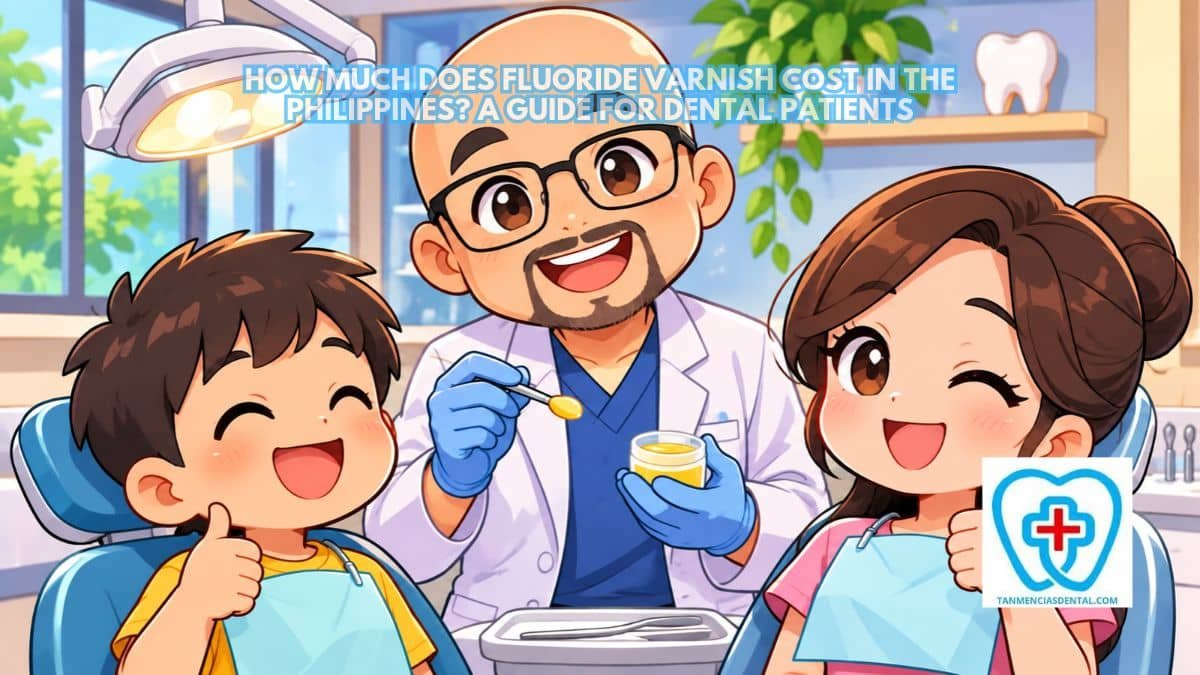
Taking care of your teeth doesn’t always mean spending thousands of pesos on dental treatments. Sometimes, a simple preventive procedure can help protect your teeth and reduce the need for more expensive dental work in the future.
One example is fluoride varnish, a treatment that helps strengthen tooth enamel and prevent cavities.
Fluoride varnish is commonly recommended for children, but adults who are prone to tooth decay may also benefit from it.
If you’re considering this treatment for yourself or your child, you’re probably wondering: How much does fluoride varnish cost in the Philippines?
As a general guide, fluoride varnish may cost around ₱300 to ₱1,500 per session, depending on the dental clinic, location, and services included. This is an estimated price range, not an official nationwide rate, so actual fees may vary.
We’ll explain how much fluoride varnish costs, what affects its price, who can benefit from it, and whether PhilHealth can help cover the expense.
Key Takeaways
- Estimated cost: Fluoride varnish may cost around ₱300 to ₱1,500 per session in the Philippines, depending on the provider and treatment package.
- Cavity prevention: Fluoride varnish strengthens tooth enamel and helps lower the risk of tooth decay.
- For children and adults: The treatment may benefit patients of different ages, especially those who are more likely to develop cavities.
- Quick and painless: Application usually takes just a few minutes and doesn’t require drilling or injections.
- Treatment frequency: Dentists may recommend fluoride varnish every three to six months for patients at increased risk of cavities.
- PhilHealth benefits: Fluoride varnish is included in PhilHealth’s preventive oral healthcare package, subject to eligibility and provider participation.
- Long-term value: Preventive dental care can help reduce the likelihood of needing more costly dental treatments in the future.
What Is Fluoride Varnish?
Fluoride varnish is a concentrated fluoride treatment that dentists apply directly to the teeth.
It forms a thin coating that stays in contact with tooth enamel for several hours, allowing fluoride to help strengthen and protect the teeth.
Most professional fluoride varnishes contain 5% sodium fluoride, which provides approximately 22,600 parts per million (ppm) of fluoride ions.
The treatment works in several ways:
- Strengthens tooth enamel: Fluoride helps make enamel more resistant to acids that cause tooth decay.
- Supports remineralization: It helps replace minerals lost during the early stages of tooth decay.
- Helps prevent cavities: Regular applications may reduce the risk of developing new cavities.
- May reduce tooth sensitivity: Certain fluoride varnishes can also help relieve sensitivity in some patients.
Unlike dental fillings, fluoride varnish doesn’t require drilling or removing any part of your tooth.
It’s a preventive treatment designed to help protect your teeth before serious dental problems develop.
The Philippine Pediatric Dental Society, Inc. (PPDSI) recognizes professional fluoride application as an effective way to help prevent tooth decay, particularly in children.
🦷 Dry Mouth and Gingivitis: Causes, Symptoms, and How to Protect Your Gums
How Much Does Fluoride Varnish Cost in the Philippines?
The cost of fluoride varnish depends on where you receive treatment and whether it’s offered separately or as part of a dental care package.
Here’s a general price guide.
| Dental service or facility | Estimated price |
| Fluoride varnish at selected government hospitals | ₱300–₱500 |
| Fluoride varnish at private dental clinics | Approximately ₱500–₱1,500 |
| Dental cleaning with fluoride varnish | Varies depending on the clinic |
| PhilHealth-covered preventive care at participating public facilities | No copayment for eligible patients |
These prices are for general reference only. They’re not fixed rates across the Philippines, and private clinic prices may fall outside the estimated range.
Published government hospital fee schedules show fluoride varnish charges of approximately ₱350 to ₱500 in some facilities.
Private dental clinics may charge differently depending on their services, materials, and location.
Some clinics also offer fluoride treatment as part of a package that includes dental cleaning and an oral examination.
Before booking an appointment, ask whether the quoted price includes fluoride varnish alone or additional dental services.
Also, remember that fluoride varnish isn’t the same as every other fluoride treatment. Dentists may use fluoride gels, foams, or other products, and their prices may differ.
🦷 Are Dental Clinics Open on Holidays in the Philippines? What You Need to Know
What Factors Affect the Cost of Fluoride Varnish?
You might notice that dental clinics charge different prices for fluoride varnish treatment.
Several factors can explain these differences.
1. Dental Clinic Location
Dental clinics in Metro Manila, including Marikina City, may have different operating expenses from those in smaller cities or provinces.
Rent, staffing, equipment, and other business expenses can influence treatment fees.
However, a higher price doesn’t always mean better treatment.
What matters most is receiving proper dental care from a qualified professional.
2. Type of Dental Facility
Government hospitals and public dental facilities may offer fluoride varnish at lower prices than private dental clinics.
Private clinics set their fees based on their services, equipment, materials, and operating expenses.
Both public and private facilities can provide preventive dental care, although service availability varies.
3. Additional Dental Services
Fluoride varnish may be applied during a regular dental checkup or after professional dental cleaning, also known as oral prophylaxis.
These services may have separate charges.
For example, suppose dental cleaning costs ₱800 and fluoride varnish costs ₱700.
Your total bill would be ₱1,500.
However, this is only an example. Actual fees will depend on the clinic.
4. Patient’s Dental Needs
Some patients need additional dental examinations or procedures before receiving fluoride varnish.
For example, a child with visible cavities may need a more detailed assessment.
Similarly, an adult with gum problems, dry mouth, or exposed tooth roots may require an individualized treatment plan.
These additional services can affect the total cost of the dental visit.
5. Fluoride Product Used
Dental clinics may use different fluoride varnish brands and formulations.
The type of product, quantity needed, and clinic pricing policy can influence treatment fees.
However, a more expensive fluoride varnish doesn’t automatically provide better results for every patient.
Your dentist should choose an appropriate product based on your oral health needs.
🦷 Fluoride Varnish for Kids: Why Filipino Parents Should Consider This Dental Treatment
Does PhilHealth Cover Fluoride Varnish Treatment?
Yes, fluoride varnish is included in PhilHealth’s preventive oral healthcare benefit. However, coverage depends on patient eligibility and whether the dental facility participates in the program.
Under PhilHealth Circular No. 2024-0034, eligible beneficiaries can access preventive oral healthcare services through participating providers.
The mandatory preventive care package includes:
- Mouth examination or oral screening
- Professional dental cleaning
- Fluoride varnish application
When necessary, the benefit may also cover certain dental sealants or root surface treatments within the program’s limits.
Eligible beneficiaries may receive the routine preventive care package up to twice per year, with visits at least four months apart.
How Much Does PhilHealth Pay?
PhilHealth provides a reimbursement of ₱300 per visit for the mandatory preventive care services, subject to program rules.
This amount is paid to the participating healthcare provider. It’s not a cash payment given directly to the patient.
The following copayment rules apply:
| Participating facility | Patient copayment |
| Public dental facility | No copayment for covered services |
| Private dental facility | Up to ₱1,500 per visit for the mandatory preventive care package |
The ₱1,500 limit applies to the combined package of oral examination, cleaning, and fluoride varnish, not fluoride varnish alone.
Additional covered procedures have separate copayment rules.
How Can You Avail of the PhilHealth Dental Benefit?
To use the benefit, you must meet PhilHealth’s eligibility requirements and be registered with an appropriate participating primary care provider.
Your provider may offer preventive dental services directly or refer you to an accredited dental facility.
Keep in mind that not all private dental clinics participate in the program.
Before scheduling an appointment, confirm whether the facility accepts the benefit and whether you’re eligible to use it.
For updated information, visit the official PhilHealth website.
🦷 Can You Drink Green Tea After Brushing Your Teeth?
Who Should Get Fluoride Varnish?
Fluoride varnish can benefit both children and adults, particularly those with a higher risk of developing cavities.
Let’s look at who may need this treatment.
1. Babies and Young Children
Fluoride varnish may be recommended once a child’s first baby tooth appears.
Baby teeth are important because they help children chew, speak, and maintain space for their permanent teeth.
Unfortunately, baby teeth can also develop cavities.
Children who frequently consume sugary drinks, candies, or sweet snacks may face a higher risk of tooth decay.
Fluoride varnish can help protect their developing teeth.
2. School-Age Children and Teenagers
Children and teenagers may benefit from fluoride varnish, especially when their permanent teeth begin to appear.
Newly erupted permanent teeth can be more vulnerable to cavities as their enamel continues to mature.
Regular dental checkups, proper brushing, and appropriate fluoride treatments can help keep these teeth healthy.
3. Adults Who Frequently Develop Cavities
Fluoride varnish isn’t just for children.
Adults may also benefit if they have:
- Frequent tooth decay
- Dry mouth
- Exposed tooth roots caused by gum recession
- Difficulty maintaining good oral hygiene
- Braces or other orthodontic appliances
- Medical conditions or medications that increase their risk of cavities
However, not every adult needs professional fluoride varnish.
Your dentist can determine whether the treatment is appropriate based on your oral health and cavity risk.
🦷 What Is Fluoride Varnish? Benefits, Uses, and How It Protects Your Teeth
How Often Should You Get Fluoride Varnish?
The recommended frequency depends on your age, oral health, and risk of developing cavities.
According to the Philippine Pediatric Dental Society’s fluoride guidelines, professional fluoride varnish may be applied two to four times per year, depending on a patient’s cavity risk.
For patients at increased risk, dentists commonly recommend applications every three to six months.
However, this doesn’t mean everyone needs fluoride varnish four times a year.
Patients with a lower risk of cavities may need less frequent applications or may not need additional professional fluoride treatment.
Your dentist can recommend the most suitable schedule after examining your teeth.
🦷 10 Best Foods for Healthy Teeth and Gums: What to Eat and Avoid
What Happens During a Fluoride Varnish Treatment?
One of the advantages of fluoride varnish is that the procedure is simple and usually painless.
Here’s what you can expect during a typical appointment.
Step 1: Dental Examination
Your dentist examines your teeth and checks for cavities, gum problems, or other concerns.
This helps determine whether fluoride varnish is appropriate for you.
Step 2: Preparing Your Teeth
The dentist may remove visible debris and gently dry your teeth using gauze.
Professional cleaning isn’t always required before applying fluoride varnish, although your dentist may recommend it when necessary.
Step 3: Applying the Fluoride Varnish
Using a small brush, the dentist applies a thin layer of fluoride varnish to the appropriate tooth surfaces.
The varnish begins to set when it comes into contact with saliva.
Step 4: Completing the Treatment
Once the varnish has been applied, you can usually leave the dental chair immediately.
The application itself typically takes only a few minutes.
You may notice a slightly sticky feeling or temporary discoloration on your teeth, depending on the product used.
These effects usually disappear once the remaining varnish wears away or is removed through normal brushing.
🦷 After Deep Scaling and Root Planing: Recovery Tips, Healing Time, and Proper Gum Care
What Should You Avoid After Fluoride Varnish?
Aftercare instructions may differ depending on the fluoride varnish product used.
Your dentist will explain what you should and shouldn’t do after treatment.
Common recommendations include:
- Avoid brushing and flossing for several hours or until the following morning, depending on your dentist’s instructions.
- Eat soft foods shortly after treatment.
- Avoid hard, crunchy, or very hot foods and drinks if advised.
- Resume your regular oral hygiene routine according to your dentist’s instructions.
Some fluoride varnish products allow patients to eat and drink immediately after application.
Others have specific restrictions to help the coating remain on the teeth longer.
For this reason, always follow the instructions provided by your dentist.
🦷 Phobia of Brushing Teeth: Why It Happens and How to Overcome It
Is Fluoride Varnish Safe?
Yes. Fluoride varnish is generally safe when applied correctly by a qualified dental professional.
The treatment uses a controlled amount of fluoride and is designed to stay on the teeth, reducing how much is swallowed during application.
However, certain precautions are necessary.
For example, patients with known allergies to specific varnish ingredients should inform their dentist before treatment.
Some fluoride varnishes contain resin-based ingredients that may cause allergic reactions in sensitive individuals.
Dentists may also postpone treatment if a patient has certain oral sores or significant inflammation.
Although serious reactions are uncommon, patients should tell their dentist about any previous allergies or unusual reactions to dental products.
Fluoride varnish is safe and effective when used appropriately, but it should always be recommended according to the patient’s individual needs.
🦷 Fluoride Varnish in Marikina
Is Fluoride Varnish Worth the Cost?
For patients at increased risk of cavities, fluoride varnish can be a worthwhile investment in preventive dental care.
Think about it this way: preventing a cavity may help you avoid the discomfort and expense of having it treated later.
A small cavity may require a dental filling, while more serious tooth decay could lead to root canal treatment, crowns, or even tooth extraction.
These procedures generally cost more than preventive fluoride treatment.
Of course, fluoride varnish doesn’t guarantee that you’ll never develop cavities.
Its effectiveness also depends on your brushing habits, diet, fluoride exposure, and overall oral health.
It’s also important to understand that fluoride varnish cannot repair a large cavity or replace a necessary dental filling.
For the best protection, combine professional preventive care with good oral hygiene at home.
🦷 Expert Dental Practitioners in Marikina City
How to Save Money on Fluoride Varnish in the Philippines
If you’re concerned about the cost of dental care, there are several ways to manage your expenses.
First, ask about the full treatment price. Find out whether the fee includes the dental examination, cleaning, and fluoride varnish or whether these services are charged separately.
Second, check your PhilHealth eligibility. You may qualify for covered preventive oral healthcare services through participating facilities.
Third, ask whether preventive dental packages are available. Some dental clinics offer combined services that may be more convenient than booking each treatment separately.
Finally, maintain good oral hygiene at home.
Brush your teeth twice daily with fluoride toothpaste, clean between your teeth, and limit frequent consumption of sugary foods and drinks.
Parents should also supervise young children’s brushing and use an age-appropriate amount of fluoride toothpaste.
These habits can help reduce the risk of cavities and potentially lower future dental expenses.
Visit Tan-Mencias Dental Clinic for Your Dental Care Needs
Want to learn more about fluoride varnish and how it can help protect your teeth from cavities? Visit us at Tan-Mencias Dental Clinic, located at 44 G. Del Pilar Street, Parang, Marikina City, for friendly and professional dental care. Our dental team is here to help you understand your treatment options and keep your teeth healthy. If you have any questions or concerns, you can call us at 0917-145-1074, send a message through our Facebook page, or use the contact form on our website. We look forward to helping you and your family take better care of your smiles!
Frequently Asked Questions (FAQs)
1. How much is fluoride varnish for kids in the Philippines?
Fluoride varnish for children may cost around ₱300 to ₱1,500 per session, depending on the dental clinic and services included.
Some clinics may charge separately for dental examinations or cleaning.
2. Is fluoride varnish free in government hospitals?
Not always.
Some government hospitals charge fees for fluoride varnish, while eligible PhilHealth beneficiaries may receive covered preventive dental services without a copayment at participating public facilities.
Availability depends on the facility and program requirements.
3. How long does fluoride varnish last?
The varnish coating typically stays on the teeth for several hours before gradually wearing away.
However, its cavity-prevention benefits can last longer.
Dentists may recommend reapplication every three to six months for patients at increased risk of tooth decay.
4. Does fluoride varnish hurt?
No. Fluoride varnish application is generally painless.
The dentist uses a small brush to apply the material to your teeth. No drilling or injections are needed.
5. Can adults get fluoride varnish?
Yes.
Adults with frequent cavities, dry mouth, exposed tooth roots, or other risk factors may benefit from professional fluoride varnish treatment.
Your dentist can determine whether it’s necessary.
6. Can fluoride varnish reverse cavities?
Fluoride varnish can help repair early mineral loss in tooth enamel and may help stop or slow very early tooth decay.
However, it cannot restore tooth structure that’s already been lost.
If a cavity has formed, a dental filling or another treatment may be necessary.
7. Is fluoride varnish better than fluoride toothpaste?
Both help prevent tooth decay, but they work differently.
Fluoride toothpaste provides regular protection through daily brushing, while fluoride varnish delivers a more concentrated professional treatment.
For patients at increased risk of cavities, using both may provide additional protection.
8. Can I apply fluoride varnish at home?
Professional fluoride varnish isn’t intended for routine self-application.
It’s best applied by an appropriately trained healthcare professional who can assess your teeth and use the correct amount.
For everyday protection, use fluoride toothpaste as recommended by your dentist.
9. Does fluoride varnish whiten teeth?
No.
Fluoride varnish is designed to strengthen enamel and help prevent cavities, not whiten teeth.
If you’re concerned about tooth stains or discoloration, ask your dentist about suitable treatment options.
10. Does PhilHealth cover fluoride varnish every year?
Yes, fluoride varnish is included in PhilHealth’s preventive oral healthcare benefit.
Eligible beneficiaries may receive the mandatory preventive care package up to twice per year, with visits at least four months apart.
However, coverage depends on eligibility, provider accreditation, and current PhilHealth rules.
Final Thoughts
Fluoride varnish is a simple preventive dental treatment that can help protect your teeth against cavities.
In the Philippines, treatment may cost around ₱300 to ₱1,500 per session, although actual prices vary depending on the dental clinic and services included.
For children and adults who are more likely to develop tooth decay, fluoride varnish can be a useful part of regular dental care.
PhilHealth’s preventive oral healthcare benefit may also help make fluoride varnish and other preventive services more accessible to eligible Filipino patients.
However, fluoride varnish isn’t necessary for everyone, and it shouldn’t replace daily brushing, flossing, or routine dental visits.
If you’re unsure whether you or your child needs fluoride varnish, the best thing to do is consult a dentist.
At Tan-Mencias Dental Clinic, we believe that understanding your oral health is an important step toward maintaining a healthy smile.
Medical Disclaimer
This article is for educational and informational purposes only and is not a substitute for professional dental or medical advice, diagnosis, or treatment. Fluoride varnish prices, treatment recommendations, and PhilHealth coverage may vary depending on the provider, location, patient eligibility, and current regulations. Always consult a licensed dentist for advice based on your individual oral health needs. If you have allergies, existing dental conditions, or concerns about fluoride treatment for yourself or your child, discuss them with a qualified dental professional before proceeding.