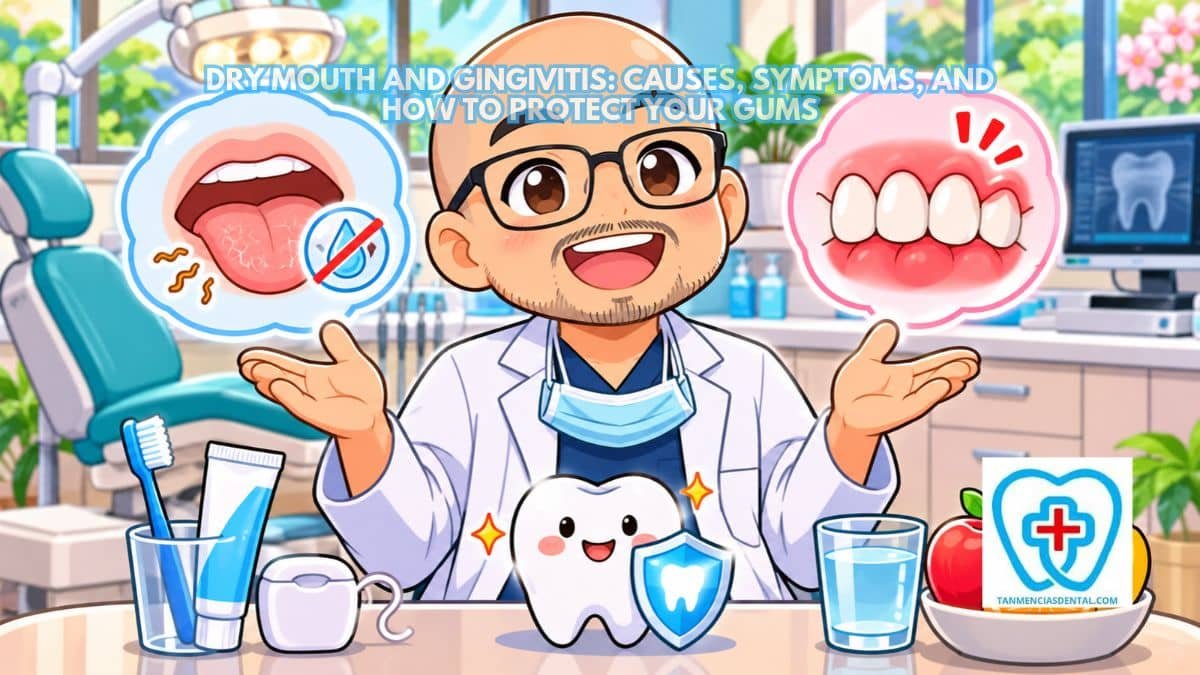
Have you ever woken up with a dry, sticky mouth? Or noticed a little blood when brushing or flossing your teeth?
These symptoms might seem unrelated, but they can both be signs that your oral health needs attention.
Saliva does more than keep your mouth moist. It helps wash away food particles, neutralize acids, and protect your teeth and oral tissues. When your mouth doesn’t produce enough saliva, you may become more vulnerable to tooth decay and certain oral infections.
Dry mouth, medically known as xerostomia, may also make it harder to maintain a healthy oral environment. This matters because dental plaque, a sticky film of bacteria that builds up on teeth, is the main cause of gingivitis.
The good news is that there are practical ways to manage dry mouth, improve your gum health, and prevent dental problems from getting worse.
We’ll look at how dry mouth and gingivitis are connected, what causes them, which symptoms to watch for, and what you can do to protect your smile.
Key Takeaways
- Dry mouth and gingivitis can be connected. Reduced saliva may contribute to conditions that make plaque control more challenging, although plaque buildup is the primary cause of gingivitis.
- Saliva plays an important protective role. It helps prevent tooth decay, keeps oral tissues comfortable, and supports chewing and swallowing.
- Persistent symptoms deserve attention. Frequent mouth dryness, swollen gums, and recurring bleeding during brushing may indicate dental problems.
- Daily oral hygiene matters. Brushing with fluoride toothpaste, cleaning between your teeth, and limiting sugary foods and drinks can help protect your teeth and gums.
- Simple measures can relieve dry mouth. Drinking water regularly, chewing sugar-free gum, and using suitable oral moisturizers may help.
- Professional dental care is important. Your dentist can identify possible causes, recommend appropriate treatment, and help prevent complications.
1. Understanding the Connection Between Dry Mouth and Gingivitis
You probably don’t think much about saliva until your mouth starts feeling unusually dry. However, saliva is one of your mouth’s natural defenses against dental problems.
Why Saliva Is Important for Oral Health
Saliva performs several essential functions:
- Cleansing: It helps wash away food particles and some microorganisms.
- Acid neutralization: It reduces the harmful effects of acids produced by oral bacteria.
- Tooth protection: It contains minerals, including calcium and phosphate, that support the natural remineralization of tooth enamel.
- Lubrication: It keeps oral tissues moist and makes speaking, chewing, and swallowing easier.
- Defense against infection: It contains substances that help control microorganisms in the mouth.
When saliva production decreases, these protective functions become less effective.
As a result, people with persistently reduced saliva may face a higher risk of cavities, oral irritation, and fungal infections.
Does Dry Mouth Cause Gingivitis?
Not directly.
Gingivitis is primarily caused by dental plaque accumulating along the gumline. When plaque isn’t removed properly, bacteria within it trigger inflammation in the surrounding gums.
Dry mouth may contribute to an environment where plaque-related problems are more difficult to control, but having a dry mouth doesn’t automatically mean you’ll develop gingivitis.
It’s also important to understand that xerostomia refers to the sensation of oral dryness. Some people feel that their mouths are dry even when their salivary glands produce a normal amount of saliva.
When saliva production is objectively reduced, the condition is called hyposalivation.
Both persistent dryness and reduced saliva production deserve attention, particularly when accompanied by other oral health problems.
Why Gingivitis Shouldn’t Be Ignored
Gingivitis is the earliest stage of plaque-induced gum disease. Fortunately, it’s generally reversible with effective plaque removal and appropriate dental care.
However, untreated gingivitis can sometimes progress to periodontitis, a more serious form of gum disease that damages the tissues and bone supporting your teeth.
Unlike gingivitis, the damage caused by periodontitis cannot be completely reversed, although treatment can help manage the disease and prevent further damage.
That’s why early recognition and treatment are so important.
🦷 Are Dental Clinics Open on Holidays in the Philippines? What You Need to Know
2. Recognizing the Warning Signs of Dry Mouth and Gingivitis
One challenge with oral health problems is that they don’t always cause pain.
You might have mild symptoms for weeks or even months without realizing that something is wrong.
Common Symptoms of Dry Mouth
Watch for:
- A frequent dry or sticky feeling in your mouth.
- A need to sip water regularly.
- Difficulty chewing, swallowing, or speaking.
- Dry or cracked lips.
- A rough or unusually dry tongue.
- Burning or irritation inside your mouth.
- Persistent bad breath.
- Changes in your sense of taste.
- Difficulty wearing dentures comfortably.
Occasional mouth dryness can happen when you’re nervous, dehydrated, or breathing through your mouth.
However, if the problem keeps returning or interferes with your daily activities, it’s worth discussing with your dentist.
Common Symptoms of Gingivitis
The most recognizable signs include:
- Red or swollen gums.
- Bleeding during brushing or flossing.
- Gum tenderness or sensitivity.
- Persistent bad breath.
- Inflammation along the gumline.
Healthy gums generally shouldn’t bleed during routine brushing or flossing.
Bleeding can occasionally occur because of aggressive brushing or irritation, but repeated bleeding may indicate gum inflammation or another problem requiring evaluation.
Also, don’t assume your gums are healthy simply because they don’t hurt. Gingivitis often develops without significant discomfort.
🦷 Fluoride Varnish for Kids: Why Filipino Parents Should Consider This Dental Treatment
3. What Causes Dry Mouth?
Dry mouth isn’t always caused by not drinking enough water.
Several medical, environmental, and lifestyle factors can contribute to the problem.
Medications
Medication side effects are among the common causes of dry mouth.
Certain medicines may reduce saliva production or cause a sensation of dryness, including some:
- Antihistamines and decongestants.
- Antidepressants.
- Medications for high blood pressure.
- Diuretics.
- Muscle relaxants and certain pain medications.
If you’re taking maintenance medication and notice persistent mouth dryness, mention it to your dentist and prescribing physician.
Never stop or change a prescribed medication without consulting the healthcare professional managing your treatment.
Medical Conditions
Some health conditions are associated with dry mouth, including:
Diabetes
People with diabetes may experience dry mouth, particularly when blood sugar levels are poorly controlled.
Diabetes is also associated with an increased risk of gum disease. Poor blood sugar control can make gum infections more difficult to manage and may affect healing.
If you have diabetes, maintaining good oral hygiene and attending regular dental examinations are especially important.
Sjögren’s Disease
Sjögren’s disease is an autoimmune condition that affects moisture-producing glands, particularly those responsible for saliva and tears.
People with this condition often experience persistent dry mouth and dry eyes.
Cancer Treatment
Radiation therapy involving the head and neck can damage salivary glands. Certain chemotherapy treatments may also cause oral dryness.
Other medical conditions and their treatments can contribute to symptoms as well.
Lifestyle and Environmental Factors
Everyday habits may also affect how dry your mouth feels.
These include:
- Inadequate fluid intake.
- Smoking or other tobacco use.
- Frequent alcohol consumption.
- Excessive caffeine intake.
- Breathing through your mouth, especially while sleeping.
In the Philippines, hot weather and physical activity can increase fluid loss through sweating. If you don’t replace those fluids adequately, dehydration may contribute to temporary mouth dryness.
However, persistent dry mouth shouldn’t automatically be blamed on the weather.
If you’re frequently waking up with a dry mouth despite adequate hydration, mouth breathing, medication effects, or an underlying health condition may be involved.
🦷 Can You Drink Green Tea After Brushing Your Teeth?
4. Seven Practical Ways to Relieve Dry Mouth and Protect Your Gums
The good news is that many habits that support oral health are simple enough to include in your daily routine.
Here are seven practical ways to relieve dry mouth and maintain healthier teeth and gums.
1. Stay Properly Hydrated
One of the easiest ways to relieve temporary mouth dryness is to drink water regularly.
Take small sips throughout the day, especially when your mouth feels dry.
Drinking water with meals may also make chewing and swallowing more comfortable.
If you’re spending time outdoors in hot weather or exercising, replace fluids according to your needs.
However, remember that drinking more water doesn’t necessarily restore saliva production when the salivary glands aren’t working properly.
If mouth dryness continues despite adequate hydration, consult your dentist or physician.
2. Try Sugar-Free Chewing Gum
Chewing sugar-free gum can stimulate saliva production if your salivary glands are still functioning.
This may help relieve temporary dryness and support the mouth’s natural cleansing processes.
Choose sugar-free gum rather than varieties containing added sugar.
You may also consider sugar-free lozenges, provided they don’t irritate your mouth.
Some products contain xylitol, a sugar substitute commonly used in oral care products. Although xylitol has been studied for cavity prevention, evidence of benefits beyond replacing sugar remains uncertain.
The main reason to consider sugar-free gum for dry mouth is its ability to stimulate saliva.
If you experience jaw pain or have a temporomandibular joint (TMJ) problem, ask your dentist whether chewing gum is appropriate.
3. Brush Twice Daily With Fluoride Toothpaste
Good oral hygiene remains one of the most effective ways to prevent plaque-related gingivitis.
For adults, follow these essential habits:
- Brush your teeth at least twice daily, preferably in the morning and before bedtime.
- Spend approximately two minutes brushing all tooth surfaces.
- Use a soft-bristled toothbrush.
- Choose fluoride toothpaste containing approximately 1,000–1,500 parts per million (ppm) fluoride, consistent with widely accepted preventive recommendations.
- Brush gently along the gumline without applying excessive pressure.
- Clean between your teeth once daily using dental floss or an appropriate interdental cleaner.
After brushing, spit out the excess toothpaste rather than rinsing vigorously with water. This helps fluoride remain on your teeth longer.
In the Philippines, you can check the fluoride concentration on toothpaste packaging. Not all toothpastes contain the same amount of fluoride.
For most adults, brushing twice daily with fluoride toothpaste containing approximately 1,000–1,500 ppm fluoride is an appropriate preventive measure. Your dentist may recommend a different fluoride concentration based on your individual dental needs.
An electric toothbrush may also be useful, particularly if you have difficulty brushing effectively with a manual toothbrush.
Keep in mind that brushing and flossing won’t necessarily cure dry mouth, but they can reduce the risk of plaque-related gum problems and tooth decay.
4. Be Mindful of What You Eat and Drink
Your diet can affect your oral health, especially if you’re already experiencing reduced saliva.
Try to eat a balanced diet containing vegetables, fruits, whole grains, and adequate sources of protein and calcium.
At the same time, limit how frequently you consume sugary foods and beverages.
Common examples include:
- Soft drinks and sweetened iced tea.
- Sugary coffee drinks.
- Sweetened juices and powdered beverages.
- Candies, cakes, and other sugary snacks.
- Frequent servings of sticky sweets.
It’s not just the amount of sugar that matters. How frequently your teeth are exposed to sugar also influences your risk of cavities.
Acidic drinks, including soft drinks and some fruit juices, may contribute to enamel erosion when consumed frequently.
If your mouth feels dry, very salty, spicy, acidic, or hard-to-chew foods may also cause discomfort.
You don’t need to eliminate every favorite food. Making better choices more consistently and reducing frequent snacking can make a meaningful difference.
5. Avoid Habits That Worsen Dry Mouth
Certain habits can aggravate oral dryness and harm your gums.
Smoking and tobacco use are particularly important because they increase the risk of periodontal disease and other serious oral health problems.
Alcohol may also irritate or dry the mouth.
If you notice that coffee or other caffeinated drinks worsen your symptoms, consider reducing your intake.
For mouthwash, choose an alcohol-free product when dryness is a concern.
Be aware, however, that not all mouthwashes treat the same condition.
Some are designed to relieve dryness, while others contain ingredients intended to reduce plaque or gum inflammation.
Your dentist can recommend an appropriate product based on your oral health needs.
If you frequently wake up with a dry mouth, addressing nasal congestion or mouth breathing may also help.
A clean, properly maintained humidifier can provide relief in some circumstances, particularly in an air-conditioned or unusually dry room.
6. Consider Oral Moisturizing Products
If simple measures don’t provide enough relief, products designed for dry mouth may help.
These include:
- Artificial saliva or saliva substitutes.
- Oral moisturizing gels.
- Dry-mouth sprays.
- Alcohol-free moisturizing mouth rinses.
Some of these products may be available through Philippine pharmacies, dental suppliers, or online retailers, although availability varies.
Choose products intended for oral use and follow their instructions carefully.
Avoid assuming that an ordinary antiseptic mouthwash will relieve dry mouth.
These products generally provide temporary comfort rather than treating the underlying cause.
In certain cases, a dentist or physician may consider prescription treatment to stimulate saliva production. Such treatment requires an appropriate medical assessment and isn’t suitable for everyone.
7. Visit Your Dentist Regularly
Dental checkups are particularly important if you have persistent dry mouth or recurring gum inflammation.
Your dentist can examine your teeth and gums, evaluate possible contributing factors, and recommend treatment based on your needs.
Professional dental cleaning, commonly called oral prophylaxis in the Philippines, can help remove plaque and tartar that you cannot effectively remove at home.
For more advanced gum disease, additional treatment such as scaling and root planing may be necessary.
Your dentist may also recommend fluoride varnish or other preventive measures if you’re at increased risk of tooth decay.
While many patients are accustomed to visiting the dentist every six months, the ideal schedule depends on individual risk factors.
Patients with persistent dry mouth, frequent cavities, or periodontal disease may need more frequent monitoring.
🦷 What Is Fluoride Varnish? Benefits, Uses, and How It Protects Your Teeth

5. What Happens If Dry Mouth and Gingivitis Are Left Untreated?
It’s easy to dismiss mild mouth dryness or occasional gum bleeding.
However, persistent symptoms can sometimes lead to more significant dental problems.
Tooth Decay
One of the clearest consequences of reduced saliva production is an increased risk of cavities.
Without adequate saliva, acids remain in contact with teeth more easily, making enamel demineralization and tooth decay more likely.
People with chronic dry mouth may require additional fluoride protection and closer dental monitoring.
Oral Infections and Irritation
Reduced saliva can also make oral tissues more vulnerable to irritation and fungal infections, such as oral candidiasis, commonly called oral thrush.
These problems may cause discomfort, soreness, or white patches inside the mouth.
Persistent or unexplained mouth lesions should always be evaluated rather than treated through guesswork.
Periodontitis and Tooth Loss
Gingivitis is usually reversible, but untreated plaque-related inflammation can progress to periodontitis in susceptible individuals.
Periodontitis affects the structures supporting your teeth, including the surrounding bone.
Over time, advanced disease may lead to gum recession, loose teeth, and tooth loss.
Not everyone with gingivitis develops periodontitis. Nevertheless, treating gum inflammation early is the best approach to minimizing the risk of complications.
🦷 10 Best Foods for Healthy Teeth and Gums: What to Eat and Avoid
6. Can Probiotics Help Improve Gum Health?
You may have heard that probiotics, often called beneficial bacteria, can help maintain a healthy balance of microorganisms in your mouth.
Researchers have been investigating whether specific probiotic strains can support periodontal health.
Some studies suggest that certain probiotics may provide additional benefits when combined with conventional periodontal treatment.
However, the results are not consistent across studies, and benefits appear to vary depending on the probiotic strain and the dental condition being treated.
A 2025 systematic review and meta-analysis found some potential benefits for patients receiving periodontal treatment, but results for gingivitis were not statistically significant.
There is also insufficient evidence to recommend probiotics as a dependable treatment for dry mouth.
So, should you take probiotics for your gums?
Current evidence does not support relying on probiotics alone to prevent or treat gingivitis. Proper oral hygiene and professional dental care remain the most reliable approaches.
Foods such as plain yogurt can be part of a healthy diet, but they shouldn’t be viewed as substitutes for effective plaque removal and professional dental care.
If you’re considering probiotic supplements specifically for oral health, discuss them with your dentist first.
🦷 Fluoride Varnish in Marikina
7. When Should You See a Dentist?
You don’t have to wait until your gums become painful or your mouth feels extremely dry before seeking professional help.
Consider scheduling a dental appointment if you experience:
- Persistent dry mouth that doesn’t improve.
- Repeated bleeding during brushing or flossing.
- Red, swollen, or tender gums.
- Persistent bad breath despite proper oral hygiene.
- Frequent cavities or recurring mouth sores.
- Difficulty chewing, swallowing, or speaking.
- Unexplained white patches or other changes inside your mouth.
- Receding gums or loose teeth.
If you have diabetes, take several maintenance medications, or have another medical condition associated with dry mouth, inform your dentist during your consultation.
Your dentist may recommend further evaluation or coordinate with your physician when an underlying medical condition is suspected.
If you develop severe facial swelling, fever with a suspected dental infection, or difficulty breathing or swallowing, seek urgent medical or dental care.
Remember, prevention and early treatment are usually easier than dealing with advanced dental problems.
🦷 Skilled Dental Experts in Marikina City

Conclusion: Taking Care of Your Mouth Starts With Everyday Habits
Dry mouth and gingivitis may seem like minor concerns at first, but both deserve attention.
Saliva plays an important role in protecting your teeth and oral tissues, while effective plaque control helps prevent gum inflammation.
The encouraging part is that you can do a lot to protect your oral health through everyday habits.
Brush twice daily with fluoride toothpaste, clean between your teeth, drink enough water, limit frequent sugary snacks and drinks, and pay attention to changes in your mouth.
If symptoms persist, don’t hesitate to seek professional dental advice.
Taking care of your teeth and gums isn’t only about maintaining a nice smile. It’s also about staying comfortable, eating properly, and protecting your oral health for years to come.
Experiencing Dry Mouth or Bleeding Gums? We’re Here to Help.
If you’ve been dealing with persistent dry mouth, bleeding gums, or other dental concerns, we’re here to help you understand what’s happening and what you can do about it.
At Tan-Mencias Dental Clinic in Parang, Marikina City, we believe that helping patients understand their oral health is an important part of providing good dental care.
We’re committed to offering personalized, gentle treatment in a friendly and comfortable environment.
Whether you need a routine dental checkup, professional cleaning, or an evaluation of persistent oral health symptoms, we’d be happy to assist you.
Get in touch to schedule your dental appointment.
- Location: Parang, Marikina City, Philippines
- Call or text: 0917-145-1074
- Facebook: Tan-Mencias Dental Clinic
- Website: Contact Tan-Mencias Dental Clinic
Let’s work together toward a healthier, more comfortable smile.
Frequently Asked Questions (FAQ)
1. Can dry mouth cause gingivitis?
Dry mouth doesn’t directly cause gingivitis. Dental plaque is the primary cause of plaque-induced gum inflammation. However, reduced saliva can make it harder to maintain a healthy oral environment and may contribute to problems associated with plaque buildup.
Good oral hygiene is especially important if you frequently experience mouth dryness.
2. Can gingivitis be cured or reversed?
Yes. Gingivitis is generally reversible through proper brushing, daily interdental cleaning, and professional dental treatment when necessary.
However, if gum disease progresses to periodontitis, damage to the supporting tissues and bone cannot be completely reversed.
3. Why is my mouth dry even when I drink plenty of water?
Persistent dry mouth can result from medication side effects, mouth breathing, salivary gland dysfunction, diabetes, or other medical conditions.
Drinking water may ease discomfort, but it won’t necessarily resolve the underlying cause.
If the problem persists, consult your dentist or physician.
4. What’s the fastest way to relieve dry mouth?
Sipping water, chewing sugar-free gum, or using a saliva substitute may provide temporary relief.
However, the most effective long-term approach depends on the cause. Persistent symptoms may require professional evaluation and treatment.
5. Is it normal for my gums to bleed when I brush or floss?
Recurring bleeding isn’t considered normal.
It may indicate gingivitis, improper brushing technique, or another oral health problem.
If your gums bleed repeatedly, schedule a dental examination to determine the cause.
6. Which toothpaste should I use if I have dry mouth or gingivitis?
For most adults, fluoride toothpaste containing approximately 1,000–1,500 ppm fluoride is a suitable everyday choice.
If you have persistent dry mouth or a high risk of cavities, your dentist may recommend additional fluoride protection.
Toothpaste alone cannot treat all causes of dry mouth or gum disease.
7. Can mouthwash help treat dry mouth and gingivitis?
It depends on the type of mouthwash.
Alcohol-free moisturizing rinses may temporarily relieve dry mouth, while certain therapeutic mouthwashes may help reduce plaque or gingival inflammation when used appropriately.
However, mouthwash doesn’t replace brushing, interdental cleaning, or professional dental treatment.
8. Are probiotics effective for treating gingivitis?
Research is ongoing.
Some studies suggest that specific probiotics may offer benefits alongside conventional periodontal care, but evidence for treating gingivitis remains inconclusive.
Probiotics should not be used as a replacement for established dental treatment.
9. How often should I visit the dentist if I have dry mouth or gingivitis?
The appropriate schedule depends on your oral health and individual risk factors.
While six-monthly dental checkups are common, patients with persistent dry mouth, frequent cavities, or periodontal disease may need more frequent appointments.
Your dentist can recommend a suitable schedule after examining your mouth.
10. Can diabetes cause both dry mouth and gum problems?
Yes. Diabetes can contribute to dry mouth, particularly when blood sugar levels are poorly controlled.
People with diabetes are also at increased risk of periodontal disease, and gum infections may be more difficult to manage.
Maintaining good blood sugar control, following proper oral hygiene practices, and attending regular dental visits are important for protecting oral health.
Medical Disclaimer
This article is provided by Tan-Mencias Dental Clinic for general educational and informational purposes only. It is not intended to replace professional dental or medical advice, diagnosis, or treatment.
Although the information is based on established oral health guidance and available scientific evidence, individual dental conditions and treatment needs may vary. Not all recommendations or products discussed in this article are appropriate for every patient.
Always consult a licensed dentist, physician, or other qualified healthcare professional if you experience persistent dry mouth, bleeding gums, unusual oral symptoms, or concerns about your medications or medical conditions.
Do not discontinue prescribed medications, attempt to diagnose yourself, or delay seeking professional care based solely on information in this article.
If you experience severe swelling, difficulty breathing or swallowing, or symptoms of a serious infection, seek urgent medical attention.