
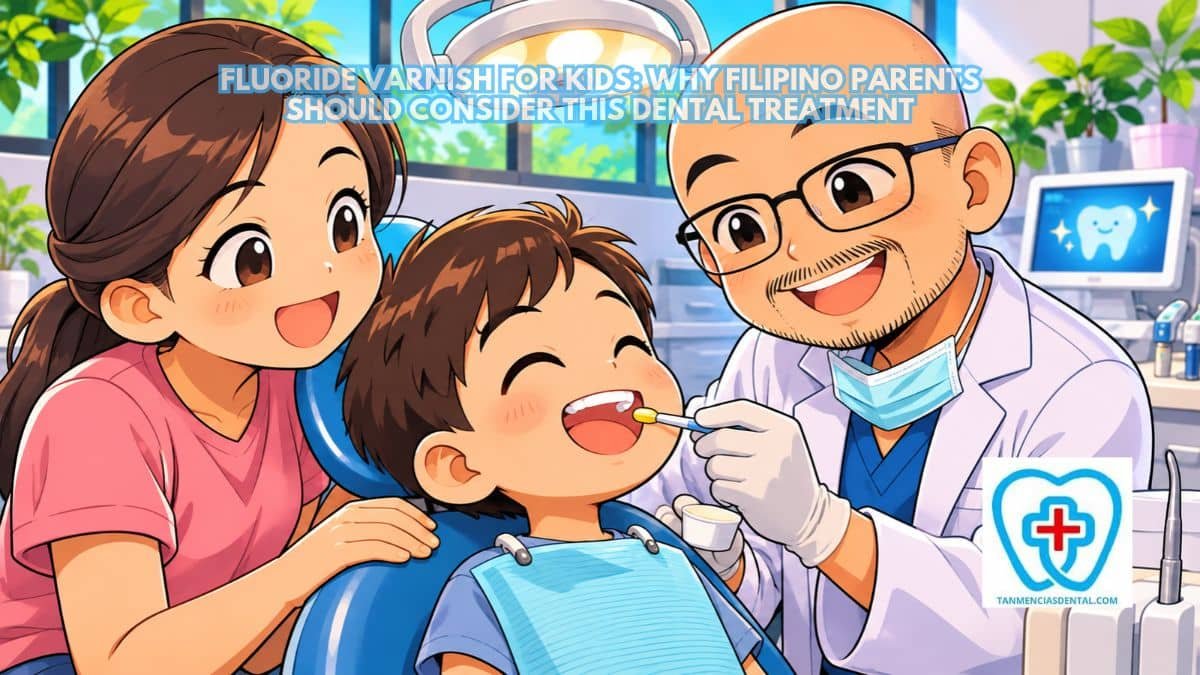
As parents, we want our children to grow up with healthy, strong teeth. We remind them to brush regularly, limit sugary treats, and visit the dentist when necessary. But even with these good habits, children can still develop cavities.
Tooth decay remains a major oral health concern in the Philippines. Cavities can affect children as soon as their first teeth appear, and untreated tooth decay can lead to pain, difficulty eating, and other dental problems.
One preventive treatment that parents may want to consider is fluoride varnish.
Fluoride varnish is a quick, painless dental treatment that helps strengthen tooth enamel and reduce the risk of cavities. It can be particularly beneficial for young children who may struggle with proper brushing.
But is fluoride varnish safe for babies and toddlers? How often should children receive it? And why is it especially relevant for Filipino families?
Let’s explore what parents should know about this preventive dental treatment.
Key Takeaways
- Fluoride varnish helps prevent tooth decay by strengthening tooth enamel and supporting the repair of early enamel damage.
- It can be applied as soon as a child’s first tooth appears, provided the treatment is appropriate and professionally administered.
- The application is quick and painless, generally taking only a few minutes.
- Children may need fluoride varnish every three to six months, depending on their risk of developing cavities.
- Fluoride varnish is particularly relevant in the Philippines, where community water fluoridation is not widely practiced.
- PhilHealth includes fluoride varnish in its preventive oral health benefit, subject to eligibility, participating providers, and applicable program rules.
- Fluoride varnish doesn’t replace daily brushing. It works best alongside fluoride toothpaste, healthy eating habits, and regular dental checkups.
What Is Fluoride Varnish?
Fluoride varnish is a concentrated fluoride treatment applied directly to the teeth by a dentist or another appropriately trained healthcare professional.
Most commonly used fluoride varnishes contain 5% sodium fluoride, equivalent to approximately 22,600 parts per million (ppm) fluoride.
Although this concentration is much higher than that found in regular fluoride toothpaste, only a small amount is applied during treatment.
The varnish has a sticky consistency that allows it to adhere to the teeth and release fluoride over time.
Its main purpose is to strengthen tooth enamel, making it more resistant to the acids responsible for tooth decay.
Fluoride varnish can also support the remineralization of early enamel lesions, potentially stopping or reversing very early damage before a cavity forms.
However, it cannot repair a tooth that already has a hole or significant structural damage.
🦷 Can You Drink Green Tea After Brushing Your Teeth?
How Does Fluoride Varnish Work?
Every time children eat sugary or starchy foods, bacteria in their mouths can produce acids that attack tooth enamel.
Repeated acid attacks cause enamel to lose important minerals, including calcium and phosphate. This process is called demineralization.
If mineral loss continues, the enamel eventually weakens enough for a cavity to develop.
Fluoride varnish helps protect teeth in three important ways.
1. It Makes Tooth Enamel More Resistant to Acid
Fluoride helps reduce enamel mineral loss during acid attacks, making teeth less likely to develop cavities.
2. It Supports Remineralization
Fluoride helps calcium and phosphate return to weakened enamel, supporting the natural repair of early tooth damage.
3. It Helps Slow Early Tooth Decay
When early decay is limited to the enamel and the tooth surface remains intact, fluoride can help slow or stop its progression.
However, fluoride varnish is not a substitute for fillings or other dental treatments when cavities have already formed.
🦷 What Is Fluoride Varnish? Benefits, Uses, and How It Protects Your Teeth
Why Should Filipino Parents Consider Fluoride Varnish?
1. Tooth Decay Remains a Common Oral Health Problem
Dental cavities can affect children at any age, including babies and toddlers.
When left untreated, cavities may cause pain, difficulty eating, sleep disturbances, and problems concentrating at school.
Some parents assume that cavities in baby teeth aren’t serious because those teeth will eventually fall out.
However, baby teeth play important roles in chewing, speaking, and maintaining space for permanent teeth.
Losing them too early can sometimes affect the development and alignment of permanent teeth.
Fluoride varnish provides additional protection that may help children maintain healthier teeth during these important years.
2. Community Water Fluoridation Is Generally Unavailable in the Philippines
In some countries, fluoride is added to public drinking water to help reduce tooth decay.
However, community water fluoridation is not widely practiced in the Philippines.
This makes regular brushing with fluoride toothpaste and appropriate professional fluoride treatments especially relevant for Filipino families.
Some Philippine water sources may naturally contain fluoride, so a child’s overall fluoride exposure should still be considered when planning preventive care.
3. Frequent Sugary Snacks Can Increase Cavity Risk
Many Filipino children enjoy sweetened drinks, candies, biscuits, chocolates, and other sugary snacks.
While occasional treats can be part of a balanced diet, frequent sugar consumption increases the risk of tooth decay.
Each time sugar is consumed, bacteria in the mouth can produce acids that weaken enamel.
Repeated snacking throughout the day means teeth experience more frequent acid attacks.
Fluoride varnish helps make enamel more resistant to these attacks, although it cannot completely eliminate the effects of frequent sugar consumption.
Parents should still encourage healthier food choices and limit sugary snacks and beverages.
4. The Treatment Is Quick and Painless
One reason fluoride varnish is suitable for young children is that it doesn’t involve drilling, injections, or complicated equipment.
The dentist applies a thin layer of varnish to the teeth using a small brush.
The application itself generally takes only a few minutes.
Children may notice an unusual taste or sticky feeling, but the treatment should not cause pain.
This makes fluoride varnish a practical option for toddlers and preschoolers who may find longer dental procedures difficult.
5. Preventive Dental Care May Reduce Future Treatment Needs
Treating cavities can involve fillings, crowns, or tooth extractions, depending on the severity of decay.
These procedures may require additional appointments and can be more expensive than preventive care.
Fluoride varnish may help reduce the likelihood of developing cavities and needing restorative treatment.
However, it doesn’t guarantee that a child will remain cavity-free.
Its effectiveness depends on factors such as oral hygiene, dietary habits, existing dental conditions, and overall cavity risk.
🦷 10 Best Foods for Healthy Teeth and Gums: What to Eat and Avoid
At What Age Can Children Start Receiving Fluoride Varnish?
Fluoride varnish can be applied as soon as a baby’s first tooth erupts, usually around six months of age, although tooth eruption varies from child to child.
The American Academy of Pediatric Dentistry and the American Academy of Pediatrics support professionally applied fluoride varnish for young children when clinically appropriate.
| Age group | How fluoride varnish may help |
| Babies with erupted teeth | Helps protect newly emerging baby teeth |
| Toddlers (1–3 years) | Provides additional protection while children are still learning oral hygiene habits |
| Preschoolers (3–5 years) | Helps reduce cavity risk during the early childhood years |
| School-age children (6–12 years) | Protects baby teeth and newly erupted permanent teeth |
| Teenagers | May benefit those with braces, frequent cavities, or other risk factors |
The need for fluoride varnish should be determined through an individual dental assessment rather than age alone.
Parents should also arrange their child’s first dental visit by their first birthday or within six months of the first tooth appearing, whichever comes first.
🦷 After Deep Scaling and Root Planing: Recovery Tips, Healing Time, and Proper Gum Care
How Often Should Children Get Fluoride Varnish?
The Philippine Pediatric Dental Society recommends that fluoride varnish may be applied two to four times per year, depending on a child’s risk of developing cavities.
A dentist may recommend:
- Every six months: A common preventive schedule for children who would benefit from routine fluoride varnish applications.
- Every three months: May be appropriate for children at higher risk of tooth decay.
Children with previous cavities, frequent sugar exposure, poor plaque control, or certain medical and developmental conditions may require additional preventive care.
Because cavity risk can change over time, the dentist should regularly reassess the appropriate treatment schedule.
🦷 Phobia of Brushing Teeth: Why It Happens and How to Overcome It
What Happens During a Fluoride Varnish Treatment?
Fluoride varnish application is generally straightforward and can often be performed during a routine dental appointment.
Step 1: Dental Examination
The dentist examines your child’s teeth and gums, checks for cavities, and evaluates their risk of tooth decay.
Step 2: Preparing the Teeth
Excess saliva may be removed using cotton or gauze to prepare the tooth surfaces.
Step 3: Applying the Varnish
Using a small brush, the dentist applies a thin layer of fluoride varnish to the teeth.
The varnish sets quickly when it comes into contact with saliva.
Step 4: Aftercare Instructions
Once the application is complete, the dentist explains what your child can eat and drink and when brushing should resume.
The treatment itself typically takes only a few minutes, although the entire dental appointment may take longer.
🦷 Can Dentists Tell If You Smoke? 7 Signs They Look For
What Should Parents Do After Fluoride Varnish Application?
Proper aftercare helps ensure that the treatment is used as intended.
Instructions can vary depending on the fluoride varnish product, so always follow your dentist’s specific recommendations.
Common aftercare advice includes:
- Choose soft foods initially. Avoid hard or sticky foods for the period recommended by the dentist.
- Avoid very hot drinks or foods immediately after application, if instructed.
- Delay brushing and flossing. Some products recommend waiting at least four to six hours, while others advise waiting until the following morning.
- Don’t worry about temporary discoloration. Certain varnishes may temporarily make teeth appear yellowish or dull.
These changes are usually temporary and disappear once the varnish is removed through normal brushing.
🦷 Can I Eat After Brushing My Teeth at Night?
Is Fluoride Varnish Safe for Kids?
Yes. Fluoride varnish has a well-established safety record when applied correctly by trained dental or healthcare professionals.
Although it contains concentrated fluoride, only a small amount is used.
The varnish adheres to the teeth, helping limit the amount that may be swallowed.
Both the Philippine Pediatric Dental Society and the American Academy of Pediatric Dentistry recognize professionally applied fluoride as an effective method of preventing dental caries.
Are There Any Side Effects?
Most children tolerate fluoride varnish well.
Possible effects include temporary tooth discoloration, an unusual taste, or a sticky sensation.
Allergic reactions are rare but possible. Some varnish formulations contain rosin or colophony, which may trigger reactions in susceptible individuals.
Before treatment, parents should inform the dentist about any known allergies, previous reactions to dental products, or existing oral health conditions.
Can Fluoride Varnish Cause Dental Fluorosis?
Dental fluorosis occurs when developing teeth are exposed to excessive amounts of fluoride through ingestion over time.
Mild fluorosis may appear as faint white marks on permanent teeth.
Professionally applied fluoride varnish is designed to minimize swallowing and has a low risk of contributing to fluorosis when used appropriately.
However, parents should supervise toothpaste use and avoid giving children fluoride supplements unless recommended by a qualified healthcare professional.
🦷 Bleeding Gums and Bad Breath: Signs You May Need Deep Scaling and Root Planing
Fluoride Varnish vs. Fluoride Toothpaste: Do Children Need Both?
Fluoride toothpaste and fluoride varnish work together to help prevent tooth decay, but they have different roles.
| Fluoride varnish | Fluoride toothpaste |
| Professionally applied | Used at home |
| Contains concentrated fluoride | Contains a lower fluoride concentration |
| Applied periodically according to cavity risk | Used twice daily |
| Provides additional preventive protection | Provides routine daily protection |
| Does not replace brushing | Essential for everyday oral hygiene |
How Much Fluoride Toothpaste Should Filipino Children Use?
The Philippine Pediatric Dental Society’s published guidance recommends the following:
| Age | Toothpaste recommendation |
| Under 2 years | A smear of toothpaste containing at least 1,000 ppm fluoride |
| 2–6 years | A pea-sized amount of toothpaste containing 1,350–1,500 ppm fluoride |
| Above 6 years | Fluoride toothpaste, with the concentration and quantity guided by age and individual dental needs |
Parents should supervise young children while brushing, encourage them to spit out excess toothpaste, and prevent them from swallowing it.
If you’re unsure which toothpaste is suitable for your child, ask your dentist for advice.
🦷 Fluoride Varnish in Marikina
Where Can Filipino Parents Get Fluoride Varnish?
Fluoride varnish is available at many dental clinics in the Philippines, including practices that offer pediatric and preventive dental services.
Parents may also inquire about fluoride application services at participating government dental facilities and community oral health programs.
Is Fluoride Varnish Covered by PhilHealth?
PhilHealth includes fluoride varnish application under its Preventive Oral Health Services in Primary Care benefit, established through Circular No. 2024-0034.
Under the circular, eligible beneficiaries may receive preventive oral health services that include dental examination, cleaning, and fluoride varnish application.
The benefit provides for up to two routine preventive visits per year, at least four months apart, with a maximum annual package coverage of ₱1,000 per beneficiary.
The amount represents a benefit limit, not necessarily a payment made directly to the patient.
Access depends on PhilHealth eligibility, registration with an appropriate participating provider, and service availability. Applicable charges and program requirements should be confirmed directly with PhilHealth or the participating facility.
Parents should confirm coverage and any out-of-pocket charges with their chosen provider before scheduling treatment.
🦷 Trusted Dentists with Years of Experience in Marikina City
Other Ways to Protect Your Child’s Teeth
Fluoride varnish is only one part of effective preventive dental care.
To help protect your child’s teeth, encourage these everyday habits.
1. Brush twice daily with fluoride toothpaste. Start brushing as soon as the first tooth appears and continue helping your child until they can brush effectively.
2. Limit sugary snacks and drinks. Reduce frequent consumption of candies, sweetened juices, soft drinks, and other sugar-containing foods.
3. Encourage drinking water. Plain water is generally the best everyday drink between meals.
4. Avoid putting babies to bed with a bottle. Allowing milk, juice, or other sugary liquids to remain around the teeth during sleep can increase cavity risk.
5. Start flossing when adjacent teeth touch. Flossing helps clean areas that a toothbrush cannot reach.
6. Schedule regular dental visits. Routine examinations allow dentists to detect problems early and recommend appropriate preventive treatments.
7. Ask about dental sealants. Sealants can help protect the deep grooves of back teeth, particularly newly erupted permanent molars.
These habits, combined with professional preventive care, can significantly improve a child’s chances of maintaining healthy teeth.
Frequently Asked Questions (FAQs)
1. Is fluoride varnish safe for babies and toddlers?
Yes. Fluoride varnish is generally safe for babies and toddlers once their first tooth appears, provided it is applied correctly by a trained healthcare professional. The dentist should first assess the child’s oral health and medical history.
2. Is fluoride varnish painful?
No. Fluoride varnish application doesn’t involve drilling or injections. Some children may dislike the taste or feel uncomfortable during the dental visit, but the treatment itself should not cause pain.
3. How long does fluoride varnish last?
The varnish coating is temporary, but its preventive effects can continue after the coating wears away. Repeat applications may be recommended every three to six months, depending on the child’s cavity risk.
4. Can fluoride varnish treat existing cavities?
Fluoride varnish can help remineralize and slow early enamel decay before a hole forms. However, it cannot repair established cavities that require fillings or other dental treatments.
5. Can children eat after fluoride varnish application?
Usually, yes. However, dentists commonly recommend soft foods initially and may advise avoiding hot, hard, or sticky foods for a specified period. Follow the instructions provided for the varnish used.
6. How much does fluoride varnish cost in the Philippines?
The cost varies depending on the dental clinic, location, and whether the treatment is included in a preventive dental care package. Parents should ask their chosen clinic about current fees and available PhilHealth benefits.
7. Does my child need fluoride varnish even without cavities?
Fluoride varnish is primarily a preventive treatment, so children don’t need to have cavities to benefit from it. A dentist can assess whether the treatment is appropriate based on the child’s individual risk.
8. Can fluoride varnish make teeth yellow?
Certain varnish formulations may temporarily give teeth a yellowish or dull appearance. This usually disappears after the varnish is brushed away according to the dentist’s instructions.
9. Is fluoride varnish better than dental sealants?
These treatments serve different purposes. Fluoride varnish strengthens enamel and helps protect multiple tooth surfaces, while dental sealants create a protective barrier over the grooves of back teeth. Some children may benefit from both.
10. Is fluoride varnish covered by PhilHealth?
Fluoride varnish is included in PhilHealth’s preventive oral health benefit. However, eligibility, provider participation, and applicable charges must be verified before treatment.
11. Can parents apply fluoride varnish at home?
No. Professional-strength fluoride varnish should be applied by a dentist or another appropriately trained healthcare professional. Parents should continue using age-appropriate fluoride toothpaste for daily home care.
Final Thoughts: Is Fluoride Varnish Worth Considering for Filipino Kids?
Protecting your child’s teeth doesn’t have to begin with treating cavities. In fact, some of the most valuable steps you can take involve preventing dental problems before they develop.
Fluoride varnish is a simple, painless, and evidence-based preventive treatment that can help strengthen tooth enamel and reduce the risk of tooth decay.
For Filipino children, it can be especially beneficial because community water fluoridation is generally unavailable, and cavities remain a significant oral health concern.
However, fluoride varnish is not a replacement for regular brushing, healthier eating habits, or routine dental checkups.
Every child has different dental needs, which is why professional assessment matters.
If you’re considering fluoride varnish for your child, speak with your dentist during your next visit. They can examine your child’s teeth, assess their cavity risk, and recommend an appropriate preventive care plan.
Taking preventive steps early can help your child maintain a healthier smile as they grow.
Protect Your Child’s Smile at Tan-Mencias Dental Clinic
Want to help keep your child’s teeth healthy and free from cavities? Visit Tan-Mencias Dental Clinic at 44 G. Del Pilar Street, Parang, Marikina City, to learn more about fluoride varnish and other dental care options for kids. Our dental team is here to help you take care of your child’s smile. If you have any questions or concerns, you can call us at 0917-145-1074, send us a message through our Facebook page, or use the contact form on our website. We look forward to seeing you and your little one at our clinic!
Medical Disclaimer
This article is intended for general educational and informational purposes only and does not replace professional dental or medical advice, diagnosis, or treatment. Fluoride varnish is generally safe and effective when appropriately administered, but its suitability and frequency depend on a child’s oral health, medical history, allergies, fluoride exposure, and risk of tooth decay. Parents should consult a licensed dentist before deciding on dental treatments for their children. Information regarding PhilHealth coverage is subject to applicable policies, eligibility requirements, and participating provider arrangements. Never disregard or delay professional dental advice because of information presented in this article.