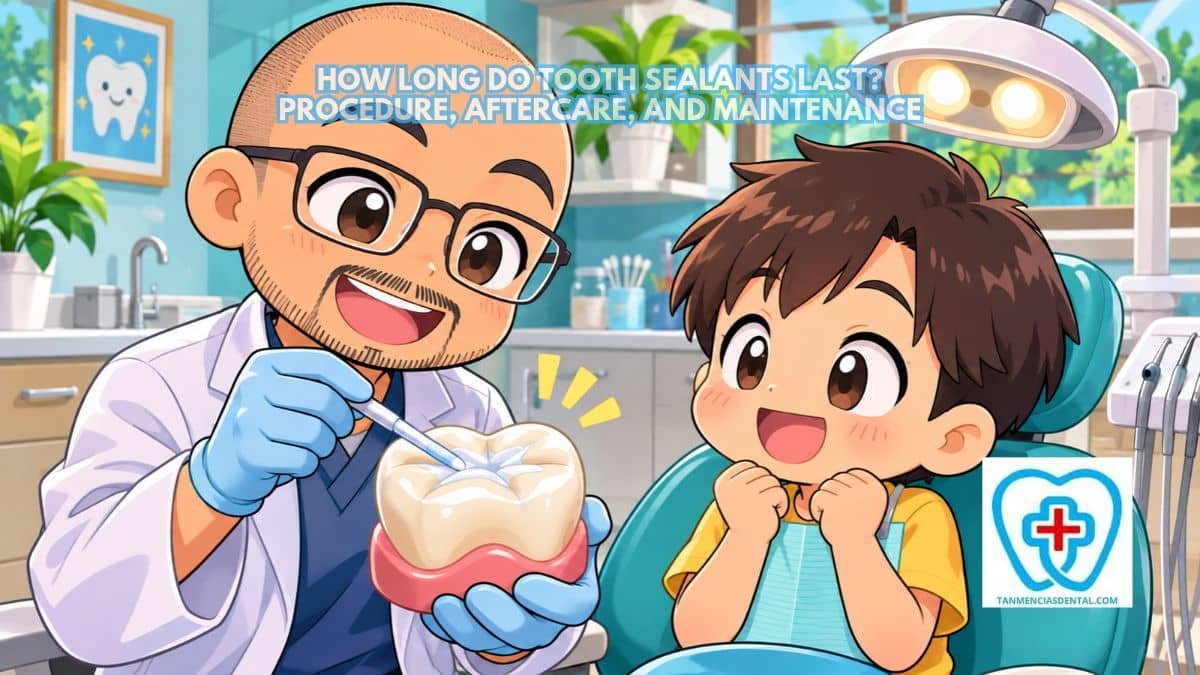
Brushing and flossing are essential for maintaining good oral health. However, even the most thorough oral hygiene routine may not be enough to protect every surface of your teeth. The deep grooves and pits of your back teeth can easily trap food particles and bacteria, increasing your risk of cavities. This is where tooth sealants can help.
Dental sealants provide an additional layer of protection against tooth decay. They’re a simple, minimally invasive, and effective preventive dental treatment that can benefit children, teenagers, and adults. But how long do tooth sealants last, and what can you do to maintain their effectiveness?
We’ll discuss their lifespan, application procedure, aftercare, and maintenance to help you get the most out of your dental sealants.
Key Takeaways
- Tooth sealants typically last between 5 and 10 years, although some may require repair or replacement sooner.
- Dental sealants protect the pits and grooves of teeth by creating a barrier against food particles and cavity-causing bacteria.
- The application procedure is generally painless and does not typically require drilling or anesthesia.
- Healthy eating habits and avoiding excessive pressure on your teeth may help extend the lifespan of your sealants.
- Good oral hygiene and regular dental checkups help protect sealed teeth from decay.
- Damaged or worn-out sealants can be repaired or replaced by your dentist.
- Sealants provide additional protection against cavities but do not replace brushing, flossing, or professional dental care.
What Are Tooth Sealants?
Tooth sealants, also known as dental sealants or pit and fissure sealants, are thin protective coatings applied primarily to the chewing surfaces of back teeth, particularly the molars.
These teeth have natural grooves that can be difficult to clean with a toothbrush. Sealants fill these grooves, creating a protective barrier that makes the surfaces easier to clean and less susceptible to decay.
Two commonly used types of dental sealants are:
- Resin-based sealants: Durable protective coatings that are typically hardened using a special curing light.
- Glass ionomer sealants: Fluoride-releasing materials that can be particularly useful when keeping a tooth completely dry during application is difficult.
Your dentist will determine which sealant material is most appropriate for your oral health needs.
🦷 How to Whiten Teeth After Braces Safely and Effectively
How Long Do Tooth Sealants Last?
Tooth sealants typically last between 5 and 10 years, although some may wear out or become damaged much sooner. Their lifespan depends on the material used, the quality of application, your eating habits, and the amount of pressure placed on your teeth.
According to the United States Centers for Disease Control and Prevention (CDC), dental sealants can prevent up to 80% of cavities in treated molars during the first two years and continue to protect against 50% of cavities for up to four years.
However, sealants are not permanent, and their effectiveness depends on how well they remain attached to the tooth surface.
Everyday chewing and biting can gradually wear them down. This is why regular dental examinations are important, even if your sealed teeth appear perfectly healthy.
🦷 Tooth Sealants vs. Dental Fillings: What’s the Difference?
What Factors Affect the Lifespan of Tooth Sealants?
Several factors can influence how long your dental sealants remain effective.
1. Type of Sealant Material
Different sealant materials have varying levels of durability, wear resistance, and bonding strength. Resin-based sealants generally offer good long-term retention when properly applied, while glass ionomer sealants may wear down more quickly.
2. Eating Habits
Frequently chewing extremely hard foods or objects may contribute to premature sealant wear or damage. Avoiding these habits can help protect both your sealants and natural teeth.
3. Teeth Grinding and Clenching
Bruxism, or the habitual grinding and clenching of teeth, places additional pressure on chewing surfaces. Over time, this may accelerate sealant deterioration.
4. Quality of Application
Proper tooth preparation, moisture control, and application techniques help ensure that the sealant bonds securely to the tooth surface.
5. Tooth Shape and Position
The depth of your tooth grooves, the position of your teeth, and whether a tooth has fully emerged can affect how easily a sealant is applied and retained.
6. Regular Dental Maintenance
Routine dental visits allow your dentist to detect early signs of wear or damage and make necessary repairs before the tooth becomes more vulnerable to decay.
Although regular dental maintenance does not prevent all sealant wear, it helps maintain continuous protection.
🦷 Saltwater Rinse for Teeth and Gums: Benefits, Risks, and How to Use It
Who Can Benefit From Dental Sealants?
Although dental sealants are commonly associated with children, they may also benefit teenagers and adults.
You may be a suitable candidate for dental sealants if you:
- Have deep grooves or pits in your teeth.
- Have an increased risk of developing cavities.
- Experience difficulty cleaning your back teeth.
- Have a history of tooth decay.
- Have newly erupted permanent molars.
Children often benefit from sealants when their first permanent molars emerge around age six and their second permanent molars appear around age twelve. However, the timing of tooth eruption may vary from child to child.
Selected baby teeth may also benefit from sealants, particularly if they have deep grooves or the child has a high risk of developing cavities.
Adults with suitable molars or premolars may also benefit from this preventive treatment. Your dentist can assess your teeth and determine whether sealants are appropriate for you.
🦷 Is Baking Soda Good for Gingivitis? Benefits, Risks, and Dental Advice
Dental Sealant Procedure: What to Expect
If you’re considering dental sealants, you’ll be pleased to know that the application process is relatively quick and straightforward. It typically takes only a few minutes per tooth and does not usually require anesthesia or drilling.
Here’s what you can expect during a standard resin-based dental sealant procedure.
Step 1: Dental Examination
Your dentist examines your teeth to determine whether they are suitable for sealants and whether any existing tooth decay requires further treatment.
Step 2: Cleaning the Teeth
The teeth are thoroughly cleaned to remove plaque, food particles, and other debris that could interfere with the bonding process.
Step 3: Drying and Isolating the Teeth
Your dentist dries the teeth and uses cotton rolls or other isolation methods to prevent saliva from contaminating the treatment area.
Step 4: Preparing the Tooth Surface
A special acidic etching solution is applied to the enamel to create a microscopically rough surface. This helps the sealant adhere more effectively.
The solution is then rinsed away, and the tooth is dried again.
Step 5: Applying the Sealant
The liquid sealant material is carefully applied to the chewing surface, allowing it to flow into the grooves and pits of the tooth.
Step 6: Hardening the Sealant
A special curing light is typically used to harden resin-based sealants and create a protective coating.
Other sealant materials may harden differently, so the application process may vary depending on the product used.
Step 7: Checking Your Bite
Finally, your dentist checks the sealant’s coverage, attachment, and your bite to ensure that everything feels comfortable and functions properly.
Once the procedure is complete, you can usually return to your normal daily activities immediately.
🦷 How Much Do Tooth Sealants Cost in the Philippines?
Dental Sealant Aftercare: What Should You Do After the Procedure?
One of the advantages of dental sealants is that they require little to no recovery time. However, following a few simple aftercare recommendations can help protect your newly sealed teeth.
Follow Your Dentist’s Eating and Drinking Instructions
Light-cured resin-based sealants harden during the procedure, allowing you to eat and drink immediately after your appointment in most cases.
However, instructions may vary depending on the sealant material used or whether you received additional dental treatments.
Always follow your dentist’s specific aftercare instructions.
Be Careful With Extremely Hard and Sticky Foods
While dental sealants are designed to withstand normal chewing, certain foods and habits may contribute to wear or damage.
Try to avoid or limit:
- Chewing ice cubes.
- Biting hard candies.
- Eating excessively hard or sticky sweets.
- Biting unpopped popcorn kernels.
- Chewing on pens, pencils, or other hard objects.
- Using your teeth to open packages or bottles.
You don’t need to follow a restrictive diet after receiving sealants. Simply be mindful of habits that place unnecessary stress on your teeth.
Continue Brushing and Flossing
You can generally resume your regular oral hygiene routine immediately. Use a soft-bristled toothbrush and fluoride toothpaste to maintain healthy teeth and gums.
There’s no need to avoid brushing the sealed surfaces under normal circumstances.
Pay Attention to Your Bite
Your sealed teeth may feel slightly different at first. However, if your bite feels persistently uneven, uncomfortable, or painful, contact your dentist for an assessment.
🦷 Should You Drink Water Before Brushing Your Teeth? Benefits and Dental Tips
How to Maintain Dental Sealants and Make Them Last Longer
Taking care of dental sealants doesn’t require a complicated maintenance routine. In fact, many of the habits that protect your natural teeth also help keep your sealed teeth healthy.
Brush Your Teeth Twice a Day
Brush your teeth for two minutes twice daily using fluoride toothpaste. Pay particular attention to your back teeth, where food particles and plaque tend to accumulate.
Regular brushing helps prevent decay in areas that sealants do not cover.
Floss Daily
Sealants primarily protect the pits and grooves of teeth, leaving other areas, including the spaces between your teeth, vulnerable to decay.
Daily flossing helps remove plaque and food particles from these hard-to-reach spaces.
Limit Sugary and Acidic Foods and Drinks
Frequently consuming sugary snacks and beverages can increase your risk of cavities, while acidic foods and drinks may contribute to enamel erosion.
Try to limit your intake of soft drinks, sweetened juices, milk tea, candies, and other sugary treats. Choose a balanced diet, drink plenty of water, and reduce frequent snacking throughout the day.
These habits help protect your natural teeth, including areas that dental sealants do not cover.
Address Teeth Grinding
If you frequently grind or clench your teeth, speak with your dentist about possible treatment options.
Depending on your condition, your dentist may recommend a night guard to help protect your teeth and dental restorations from excessive pressure.
Schedule Regular Dental Checkups
Visit your dentist regularly, often every six months or at intervals recommended for your individual oral health needs.
During these appointments, your dentist can assess the condition of your sealants, check for signs of tooth decay, and repair or replace damaged sealants when necessary.
🦷 Tooth Sealants for Kids: What Every Filipino Parent Should Know
Signs Your Dental Sealants May Need Replacement
Because dental sealants gradually wear down, knowing when they may need attention can help you maintain their protective benefits.
Potential warning signs include:
- Visible chips or cracks in the sealant.
- Rough or uneven chewing surfaces.
- Partially exposed tooth grooves.
- Food frequently becoming trapped in previously sealed areas.
- A missing or visibly worn sealant.
New tooth sensitivity, discomfort, or pain may also indicate an underlying dental problem. However, these symptoms do not necessarily mean that your sealant has been damaged.
Keep in mind that worn-out or damaged sealants may not cause noticeable symptoms. They can also be difficult to assess on your own, especially when they are clear or tooth-colored.
Your dentist is in the best position to determine whether your sealants remain effective.
🦷 Root Canal Treatment in Marikina: Cost, Procedure, and Benefits
Can Dental Sealants Be Repaired or Replaced?
Yes. Dental sealants can be repaired or reapplied when they become damaged, worn, or partially detached.
Depending on their condition, your dentist may add new sealant material to the affected area or replace the existing coating. Your dentist will also check for signs of tooth decay before proceeding.
If a cavity has developed and requires restorative treatment, a dental filling or another appropriate procedure may be necessary instead of a sealant.
There is no universal replacement schedule for dental sealants. Some remain intact for many years, while others require earlier maintenance.
Are Dental Sealants Worth It?
For individuals who are suitable candidates, dental sealants can be a worthwhile investment in long-term oral health.
Their primary benefits include:
- Reduced risk of cavities on treated tooth surfaces.
- Preservation of natural tooth structure.
- Quick and generally painless application.
- Little to no recovery time.
- Protection that can last for several years.
- Potential savings on future restorative dental treatments.
Dental sealants are an established preventive dental treatment in the Philippines. They can be particularly beneficial for children with newly erupted permanent molars and individuals with an increased risk of tooth decay.
Although sealants cannot completely eliminate the risk of cavities, they provide an additional preventive measure that complements your daily oral hygiene routine.
🦷 Professional Dental Care in Marikina You Trust
Frequently Asked Questions (FAQs)
1. Can dental sealants last a lifetime?
Dental sealants are not considered permanent. They typically last between 5 and 10 years, although their actual lifespan varies. Regular dental examinations help determine when repairs or replacement are necessary.
2. Can you eat immediately after getting dental sealants?
Yes, in most cases. Light-cured resin-based sealants harden during the procedure, allowing you to eat and drink immediately afterward. However, different sealant materials may require different aftercare instructions, so always follow your dentist’s advice.
3. Can you brush your teeth after getting sealants?
Yes. You can generally brush and floss normally after receiving dental sealants. Maintaining good oral hygiene is essential for protecting both sealed and unsealed areas of your teeth.
4. Does getting dental sealants hurt?
Dental sealant application is generally painless. Standard sealant application typically does not require injections, drilling, or the removal of healthy tooth structure.
5. Can cavities develop under dental sealants?
Yes, tooth decay may develop or progress if the sealant loses its protective coverage or allows bacteria and nutrients to enter underneath it.
However, properly applied sealants can also help stop or slow the progression of certain early stages of tooth decay where a physical cavity has not yet formed.
Your dentist must assess the condition of the tooth to determine whether a sealant or another treatment is appropriate.
6. Are dental sealants safe for adults?
Yes. Dental sealants are generally considered safe for both children and adults. Your dentist can determine whether they are suitable based on your dental health, existing restorations, and cavity risk.
7. What happens if a dental sealant falls off?
If a sealant falls off, the previously protected grooves become exposed to food particles and cavity-causing bacteria. This does not mean that a cavity will develop immediately, but the tooth loses its additional layer of protection.
Schedule a dental appointment to have the tooth examined and the sealant replaced if necessary.
8. What is the difference between a dental sealant and a filling?
Dental sealants are primarily preventive treatments that protect vulnerable tooth surfaces and may help manage certain early stages of tooth decay.
Dental fillings are restorative treatments used to repair damaged tooth structure, commonly after a cavity has developed.
Unlike most dental fillings, standard sealant application does not usually require drilling.
9. Do dental sealants protect all surfaces of the teeth?
No. Sealants primarily protect the pits and grooves of treated teeth. They do not protect every tooth surface, which is why brushing, flossing, fluoride use, and regular dental visits remain essential.
10. At what age should children get dental sealants?
Children often benefit from dental sealants when their first permanent molars emerge around age six and their second permanent molars appear around age twelve.
However, younger children with a high risk of cavities may also benefit from sealants on selected baby teeth. Your dentist can recommend the best time based on your child’s dental development and oral health.
Final Thoughts
So, how long do tooth sealants last? They typically provide protection for approximately 5 to 10 years, although their lifespan varies from person to person.
The key to maintaining their protective benefits is practicing good oral hygiene, avoiding damaging habits, making healthy dietary choices, and attending routine dental checkups.
Whether you’re considering dental sealants for yourself or your child, this simple preventive treatment can help reduce the risk of cavities and preserve natural teeth for years to come.
Remember, preventing dental problems is often easier, less uncomfortable, and more cost-effective than treating them later.
Protect Your Smile With Tan-Mencias Dental Clinic
Are you looking for a simple way to protect your family’s teeth from cavities? Visit us at Tan-Mencias Dental Clinic, located at 44 G. Del Pilar Street, Parang, Marikina City. Our dental team can help you find out if tooth sealants are right for you or your child and share tips on how to care for them. For any questions or concerns, feel free to call our dental clinic at 0917-145-1074, send us a message through our Facebook page, or reach out through our website’s contact form. We look forward to helping you and your family enjoy healthy smiles for years to come!
Medical Disclaimer
This article is intended for informational and educational purposes only and should not be considered a substitute for professional dental or medical advice, diagnosis, or treatment. The lifespan, effectiveness, and suitability of dental sealants may vary depending on individual oral health conditions, sealant materials, and lifestyle factors. Always consult a licensed dentist for personalized recommendations, treatment options, and aftercare instructions.