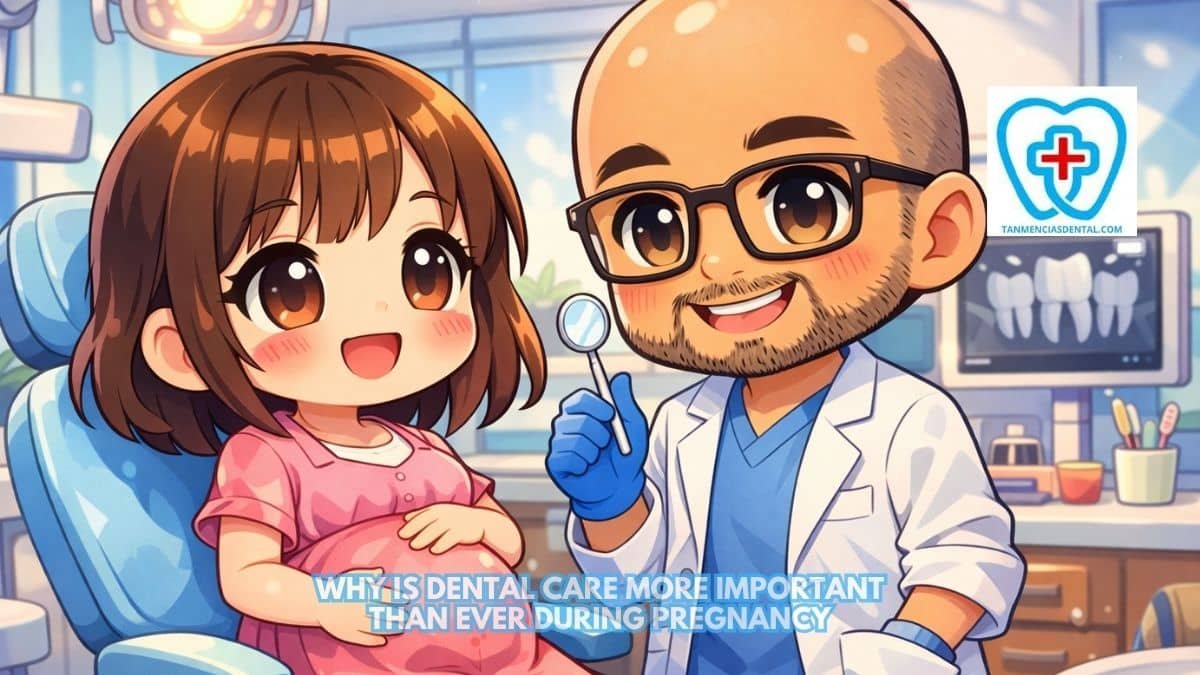
Why is dental care more important than ever during pregnancy?
Many people ask this, and the answer lies in how the body changes during this time.
Hormones rise quickly and affect how gums and teeth respond to bacteria.
At the same time, eating habits, nausea, and fatigue can make daily care harder to maintain.
These changes can increase the risk of gum disease and tooth decay if ignored.
Paying attention to oral health becomes part of overall prenatal care, not just a routine habit.
By understanding what is happening in the body, we can take simple steps to protect both the parent and the baby.
1. Understanding “Pregnancy Gingivitis”: Why Your Gums May Bleed More Easily
Pregnancy gingivitis is a common condition caused by increased hormone levels that affect gum tissue.
A pregnant woman may notice that her gums look red, feel swollen, and bleed more easily during brushing or flossing.
This happens because the body reacts more strongly to plaque, even when only a small amount is present.
If these signs are ignored, the condition can progress and lead to more serious gum problems.
Brushing twice a day gently with a soft toothbrush helps remove plaque without causing more irritation.
Flossing daily also helps clean areas that a toothbrush cannot reach.
Regular dental checkups allow early treatment and help keep gum health under control.
🦷 Understanding the Causes of a Broken Tooth Crown: What You Need to Know
2. The Impact of Hormonal Shifts on Your Oral Health
Hormonal shifts during pregnancy can change how the body responds to bacteria in the mouth.
Pregnancy hormones, such as estrogen and progesterone, increase blood flow to the gums and make them more sensitive.
This can lead to swelling, tenderness, and a higher risk of infection when plaque is not removed properly.
Because of this, even small amounts of plaque can cause noticeable gum irritation.
Some people may also experience dry mouth, which lowers saliva that helps protect teeth from bacteria.
Strong oral hygiene habits, like brushing twice a day and flossing daily, become even more important during this time.
Drinking enough water also helps keep the mouth moist and supports natural protection.
With consistent care and good oral hygiene habits, it is easier to prevent minor issues from turning into more serious dental problems.
🦷 Can a Smile Makeover Actually Boost Your Professional Success?
3. Protecting Your Enamel from the Effects of Morning Sickness
Morning sickness exposes teeth to stomach acid, which can weaken and wear down enamel over time.
This makes oral health during pregnancy more important, since enamel does not grow back once it is lost.
Frequent vomiting increases the risk of enamel erosion, especially if the mouth is not cared for right after.
Rinsing with water or a mild baking soda solution helps reduce the acid and protect the teeth.
It is best to wait about 30 minutes before brushing so the enamel can harden again.
Using fluoride toothpaste also helps strengthen teeth and makes them more resistant to acid.
By following these simple steps, we can better protect enamel and maintain strong teeth during pregnancy.
4. How Healthy Gums Can Support a Full-Term Pregnancy
Healthy gums play an important role in supporting overall health during pregnancy.
When gums become infected, the body may respond with inflammation that can spread beyond the mouth.
This inflammation may affect how the body functions and may increase certain health risks.
Some research suggests a link between gum disease and early birth or low birth weight, although this does not happen in every case.
For this reason, proper dental care during pregnancy becomes an important part of staying healthy.
Taking steps to maintain good oral health helps reduce the chance of gum infection and other dental problems.
Brushing twice a day and flossing daily helps remove plaque that can irritate the gums.
Regular dental visits also allow early detection and treatment of issues before they worsen.
By keeping gums healthy and maintaining good oral health through proper dental care during pregnancy, we can lower risks and support a safer and more stable pregnancy.
🦷 Is Your Child’s Mouthguard Actually Doing Its Job?
5. Managing Cravings: Preventing Cavities While Eating for Two
Cravings during pregnancy often include sugary snacks or drinks that can harm teeth.
Frequent snacking gives bacteria more chances to produce acids that cause cavities.
Choosing balanced snacks like fruits, nuts, or dairy can reduce this risk.
Drinking water after eating helps wash away food particles and acids.
Limiting sticky or sugary foods also protects enamel.
With mindful choices, it is possible to satisfy cravings while keeping teeth healthy.
🦷 What Are Some Common Mistakes to Avoid When Brushing Toddler Teeth?
6. Debunking the Myth: Your Baby Does Not Take Calcium from Your Teeth
A common myth suggests that a baby takes calcium directly from the mother’s teeth.
In reality, the body supplies calcium to the baby through the diet and bones, not from teeth.
Tooth problems during pregnancy are usually due to changes in habits and oral care, not calcium loss.
Eating calcium-rich foods like milk, cheese, and leafy greens supports both mother and baby.
Good nutrition strengthens bones and helps maintain strong teeth.
Understanding this truth helps prevent unnecessary worry.
🦷 Are Healthy Smoothies Secretly Eroding Your Smile?
7. Why Professional Cleanings are Safe and Essential While Expecting
Professional dental cleanings remove plaque and tartar that cannot be cleared by brushing alone.
These visits are an important part of prenatal dental care because they help prevent common problems like gum disease.
Cleanings are considered safe during pregnancy, and dental professionals adjust their approach to suit your needs.
They use gentle techniques to keep you comfortable while still providing effective care.
Regular visits also allow dentists to check for early signs of cavities or gum issues.
In addition, they can give advice that fits the changes happening during pregnancy.
By keeping up with cleanings, we support both comfort and long-term oral health.
🦷 What are the Benefits of Tooth Restoration?
8. Navigating Dental X-Rays and Anesthesia During Pregnancy
Dental X-rays may be needed to find problems that cannot be seen during a simple exam.
When proper precautions are used, the safety of dental care remains a top priority.
Dentists use protective lead aprons and modern machines that keep radiation exposure very low.
They only suggest X-rays when needed and often delay them during early pregnancy unless there is an urgent concern.
Some dental procedures may require X-rays to guide proper diagnosis and treatment.
Local anesthesia is also used carefully to keep you comfortable during these dental procedures.
Dentists choose options that are considered safe and use the smallest amount needed.
By talking openly with your dental team, you can understand each step and feel more confident about your care.
🦷 Could Your Dentist Be the One to Solve Your Chronic Exhaustion?
9. The Best Timing: Planning Your Dental Visits by Trimester
Timing dental visits during pregnancy helps balance safety and comfort.
The second trimester is often the most comfortable time for routine treatments.
Early visits help identify existing issues before they worsen.
In the third trimester, shorter and less stressful appointments are usually preferred.
Emergency care can be done at any time if needed.
Planning visits ahead of time supports consistent care throughout pregnancy.
🦷 Orthodontic Treatment in Marikina
10. Setting the Foundation for Your Newborn’s Future Oral Health
Healthy habits during pregnancy can influence how we care for a child later on.
Learning proper brushing, flossing, and diet choices sets a strong example.
Early education about oral health prepares us for caring for a baby’s gums and future teeth.
Avoiding harmful habits, like frequent sugar intake, also supports long-term health.
Sharing knowledge with family members helps build a supportive environment.
These steps create a positive start for a child’s oral health journey.
🦷 Comprehensive Family Dental Clinic in Marikina
👨⚕️ Conclusion
Understanding why dental care is more important than ever during pregnancy helps guide daily choices.
Small actions like proper brushing, healthy eating, and regular dental visits can prevent common problems.
Paying attention to changes in the mouth allows early response to any issues.
Consistent care supports both oral health and overall well-being during pregnancy.
With the right habits, we can protect ourselves and prepare for the baby’s future health.
Making dental care a priority leads to better outcomes for both parent and child.
❔ FAQs
1. Is it safe to visit the dentist during pregnancy?
Yes, dental visits are safe during pregnancy and are important for keeping your mouth healthy.
Routine checkups and cleanings help prevent gum disease and tooth decay.
Dentists use safe methods and adjust care based on your condition.
Always inform your dentist that you are pregnant so they can plan your treatment properly.
2. How often should I brush and floss during pregnancy?
Brushing at least twice a day and flossing once daily is recommended during pregnancy.
This helps remove plaque that can lead to gum problems.
Using fluoride toothpaste also strengthens your teeth.
Keeping a consistent routine lowers your risk of dental issues.
3. What should I do if my gums bleed when I brush?
Bleeding gums are common during pregnancy due to hormonal changes.
Continue brushing gently with a soft toothbrush and do not stop flossing.
Good oral care helps reduce inflammation over time.
If bleeding does not improve, it is best to visit your dentist.
4. Can pregnancy cause permanent damage to my teeth?
Pregnancy itself does not damage teeth, but poor oral care during this time can lead to problems.
Changes like frequent snacking or morning sickness may increase the risk of cavities.
Proper brushing, healthy eating, and dental visits can prevent long-term issues.
Taking care of your teeth now helps protect them after pregnancy.
5. When should I schedule my dental appointment during pregnancy?
The second trimester is usually the best time for routine dental care.
During this period, most people feel more comfortable and stable.
Early visits are also helpful to check for any existing problems.
If you have pain or an emergency, you should see your dentist at any time.
😁 Self-Promotion
If you are looking for trusted dental care, visit Tan-Mencias Dental Clinic at 44 G. Del Pilar Street, Parang, Marikina City.
Our team is ready to help you keep your teeth and gums healthy with safe and gentle care.
You can call our clinic directly at 0917-145-1074 if you have questions or want to book an appointment.
You may also send us a message through our Facebook page or through the contact form on our website.
We look forward to helping you and your family smile with confidence.