
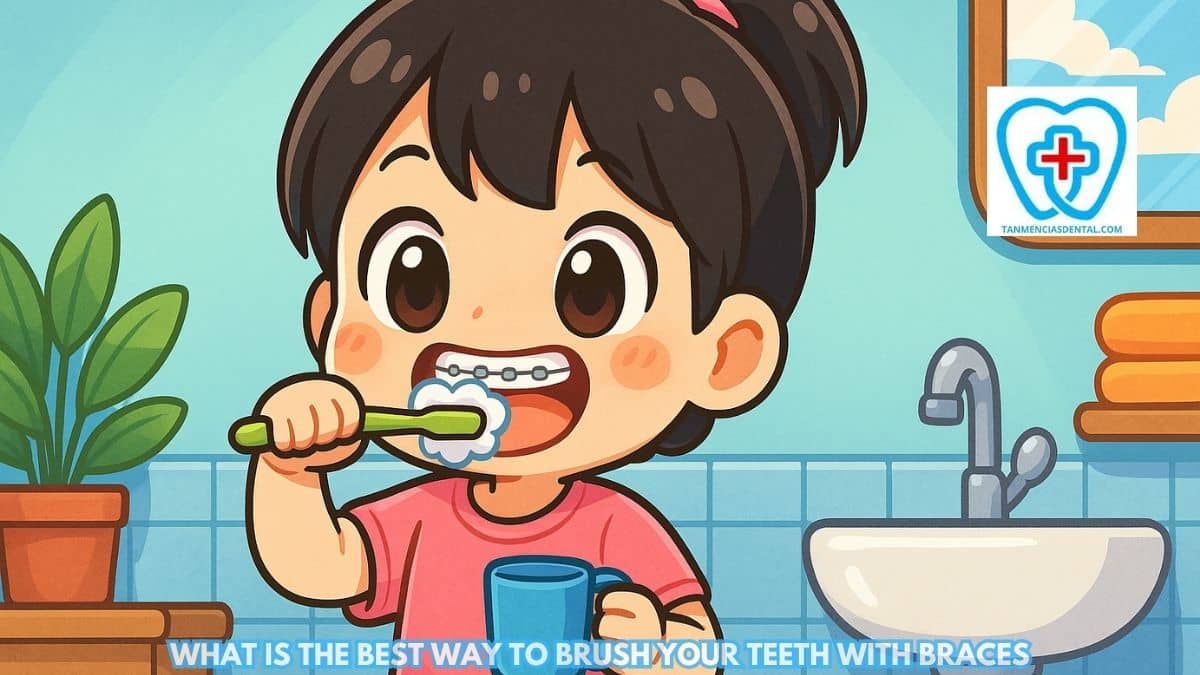
Braces make keeping your teeth clean a little harder, but good brushing habits can prevent many problems.
Knowing what is the best way to brush your teeth with braces helps you avoid plaque buildup, cavities, and gum irritation.
Food often gets trapped around brackets and wires, so using the right tools and methods is important.
With the proper technique, you can clean your teeth well without damaging your braces.
We’ll show you simple and effective steps to keep your mouth healthy during orthodontic treatment.
1. Choose the Right Toothbrush for Braces
The right toothbrush plays an important role in keeping your teeth and braces clean throughout orthodontic treatment.
A toothbrush with soft bristles is best because it cleans gently without scratching the brackets or bending the wires.
Many experts in orthodontics recommend using an electric toothbrush since it can clean around the braces more evenly and remove more plaque.
If you prefer a manual toothbrush, choose one with V-shaped bristles designed to reach both above and below the brackets.
Orthodontic toothbrushes help remove trapped food from tight spaces that are hard to reach with regular brushes.
Selecting the proper toothbrush helps protect your braces while keeping your mouth healthy and free from plaque buildup.
🦷 What are Some Surprising Natural Ways to Treat Gingivitis?
2. Master the Perfect Brushing Angle
Holding your toothbrush at a 45-degree angle to your gums is essential for cleaning effectively with braces.
This angle helps you reach the areas where the teeth meet the brackets and wires, which are prone to plaque buildup.
Brush in gentle, circular motions to dislodge food particles and prevent plaque accumulation.
Make sure to clean above and below the brackets to cover all tooth surfaces.
Mastering this technique will help you maintain a clean and healthy mouth throughout your orthodontic treatment.
🦷 Dangers of Electric Toothbrushes: Are They Worth the Hype?
3. Focus on Each Tooth: A Targeted Approach
When brushing with braces, it’s crucial to focus on each tooth individually to ensure a comprehensive clean.
Spend at least ten seconds on each tooth, using circular motions to reach all surfaces, including the front, back, and chewing surfaces.
Pay special attention to teeth with brackets, as these areas can harbor more debris.
This targeted approach helps ensure no tooth is neglected, reducing the risk of plaque buildup and gum disease.
By dedicating time to each tooth, you can maintain better oral hygiene while wearing braces.
🦷 Special Needs And Dental Checkups
4. Clean Around Braces with a Single-Tuft Brush
A single-tuft brush is a small tool that helps clean spots your regular toothbrush can’t reach.
After using your main toothbrush, use the single-tuft brush to clean along the gumline and around each bracket.
Move it gently in small circles to remove food bits and plaque near the braces and wires.
This brush is especially useful for cleaning behind the wires and near the edges of your teeth.
Using it daily helps keep your teeth and gums healthy during your orthodontic treatment.
🦷 How Recycled Toothbrushes Support Zero-Waste Lifestyle Goals

5. Gentle Yet Effective: The Balance for Braces
Brushing with braces requires a delicate balance between being gentle and thorough.
It’s important to use light pressure to avoid damaging the brackets and wires while still effectively removing plaque and debris.
A gentle touch will help prevent discomfort and ensure that your braces stay intact during brushing.
Focus on brushing with a soft-bristled toothbrush to clean your teeth and braces without causing harm.
Maintaining this balance will help you achieve a clean mouth while preserving the condition of your braces.
🦷 What is a Good Alternative to a Toothbrush for Maintaining Oral Hygiene?
6. Conquer the Floss Challenge with Braces
Flossing with braces can be tricky, but using the right tools helps keep your teeth and gums healthy.
A floss threader makes it easier to guide dental floss under the wires so you can clean between each tooth.
Some people prefer using orthodontic floss or a water flosser, which can remove food and plaque from tight spaces.
Interdental brushes are also helpful for cleaning spots that regular dental floss cannot reach.
Flossing once a day helps prevent gum inflammation, bad breath, and the buildup of plaque around your braces.
By using dental floss carefully and consistently, you can protect your teeth and maintain good oral hygiene during orthodontic treatment.
🦷 How Organic Toothbrushes Contribute to a Sustainable Oral Care Routine
7. Rinse Away Bacteria with Mouthwash
Mouthwash plays an essential role in maintaining oral hygiene, especially when wearing braces.
An antibacterial mouthwash helps kill bacteria that can cause plaque buildup and bad breath.
Rinse your mouth with mouthwash for at least 30 seconds to ensure it reaches all areas, including those hard-to-reach spots around braces.
This step complements your brushing and flossing routine, providing an extra layer of protection against oral health issues.
Incorporating mouthwash into your daily routine will help keep your mouth fresh and clean.
🦷 Can You Brush Your Teeth With Dentures In?
8. Shield Your Smile from Plaque and Tartar
Braces can make it easier for plaque to accumulate, leading to tartar buildup if not addressed promptly.
Regular brushing and flossing are essential to shielding your teeth from these issues.
Plaque is a sticky film of bacteria that can harden into tartar, which is difficult to remove without professional cleaning.
By maintaining a strict oral hygiene routine, you can prevent plaque from turning into tartar, reducing the risk of tooth decay and gum disease.
Consistent care ensures your smile stays bright and healthy throughout your orthodontic treatment.
🦷 How Long to Wait After Brushing Teeth to Use White Strips?
9. Keep Gum Disease at Bay
Braces can increase the risk of gum disease due to the difficulty of removing plaque and food particles from around the brackets and wires.
It’s crucial to maintain a diligent oral hygiene routine to prevent plaque build-up, which can lead to inflammation and bleeding gums.
Use a soft-bristled toothbrush to gently clean along the gum line, and make sure to floss daily to remove debris between teeth.
Regular use of mouthwash can also help kill bacteria that contribute to gum disease.
By keeping your gums healthy, you can ensure your orthodontic treatment progresses smoothly and effectively.
🦷 How to Choose the Best Toothpaste to Whiten Teeth with Braces
10. Protect Your Teeth from Cavities
Wearing braces can make it easier for food particles and plaque to become trapped, increasing the risk of cavities.
Brushing twice a day with fluoride toothpaste helps strengthen the enamel and protect teeth from decay.
Be thorough in your brushing to ensure all areas around the brackets and wires are clean.
Avoid sugary snacks and drinks that can contribute to cavity formation.
By being proactive in your oral care routine, you can protect your teeth from cavities while wearing braces.
🦷 Basic Dental Needs in Marikina
11. Regular Checkups: Your Dental Ally
Regular dental checkups are vital for monitoring the health of your teeth and the condition of your braces.
Dentists can detect early signs of dental problems and provide professional cleanings to remove plaque and tartar build-up.
These visits also allow your dentist to adjust your braces if needed, ensuring they continue to work effectively.
Regular checkups provide an opportunity to receive personalized advice on maintaining oral hygiene with braces.
By partnering with your dentist, you can keep your teeth and gums healthy throughout your orthodontic journey.
🦷 Caring Family Dentist in Marikina
👨⚕️ Conclusion
Brushing your teeth with braces requires dedication and the right techniques to prevent dental issues.
By choosing the appropriate tools and following a detailed oral hygiene routine, you can keep your teeth and braces clean.
Regular brushing, flossing, and dental visits will help ensure a healthy, beautiful smile during and after your orthodontic treatment.
Remember that consistent care is key to avoiding complications and achieving the best results.
With these practices, you can confidently navigate your journey to a straighter, healthier smile.
😊 Self-Promotion
Looking for exceptional dental care in Marikina City?
Visit Tan-Mencias Dental Clinic in Parang, where our friendly team is dedicated to providing top-notch dental services to help you achieve a healthy and beautiful smile.
Whether you have questions or want to schedule an appointment, feel free to reach out to us through our Facebook page, website contact form, or by calling 0917-145-1074.
We pride ourselves on creating a welcoming environment where every patient feels valued and cared for.
Let us be your partner in maintaining excellent oral health, and experience the difference at Tan-Mencias Dental Clinic today!
❔ FAQs
1. How many times a day should I brush my teeth with braces?
You should brush your teeth at least twice a day, ideally after every meal.
Braces can trap food easily, so brushing after eating helps prevent plaque and bad breath.
If brushing right away is not possible, rinse your mouth with water until you can brush.
2. Can I use an electric toothbrush with braces?
Yes, you can use an electric toothbrush with braces as long as it has soft bristles.
Many electric toothbrushes have special orthodontic heads that clean around brackets more effectively.
Always move it gently to avoid damaging the wires or brackets.
3. How can I floss if I have braces?
Use a floss threader to guide the floss under the wires, or try an orthodontic flosser made for braces.
You can also use an interdental brush or a water flosser to clean between teeth.
Flossing once a day helps prevent plaque and gum problems.
4. What kind of toothpaste should I use while wearing braces?
Use a fluoride toothpaste to strengthen your enamel and protect against cavities.
Avoid whitening toothpaste, as it can cause uneven color when your braces are removed.
A pea-sized amount is enough for each brushing session.
5. Why is it important to visit the dentist while wearing braces?
Regular dental visits let your dentist check for early signs of cavities or gum problems.
They can clean areas that are hard to reach with your toothbrush.
Your dentist and orthodontist also make sure your braces are working properly and your mouth stays healthy.