
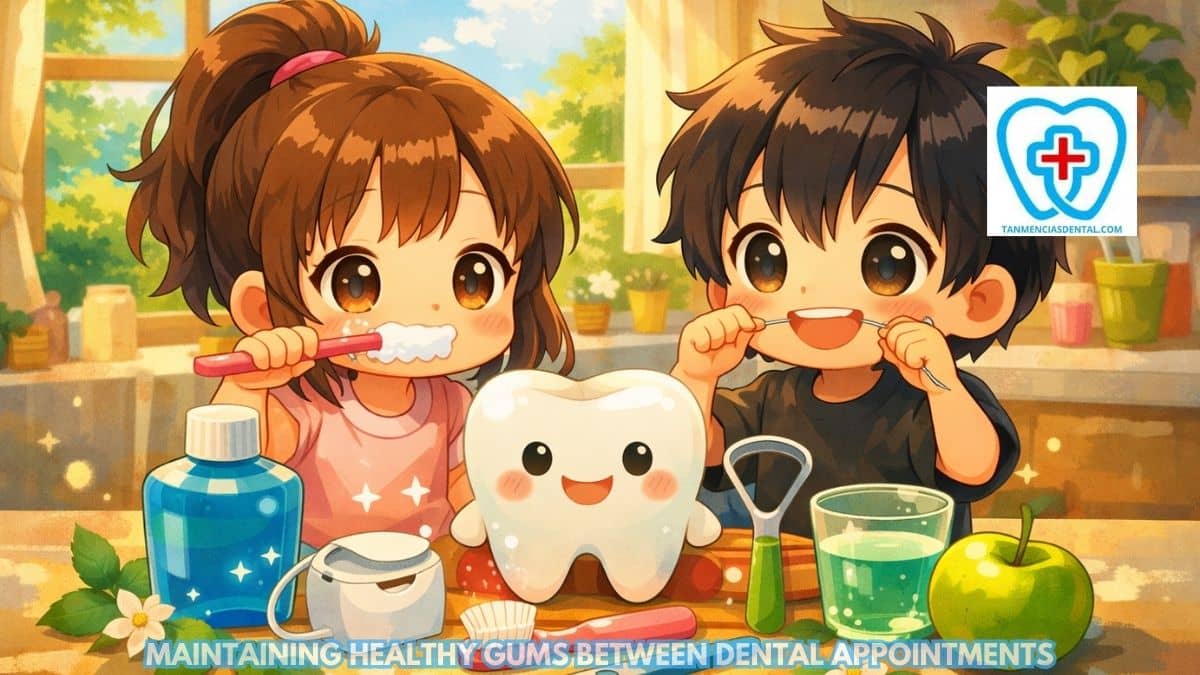
Healthy gums form the base that holds teeth in place and protects nerves and bone.
Daily choices affect how gums react to plaque, pressure, and bacteria.
Small problems often start quietly and grow when ignored.
Consistent care reduces irritation and lowers the risk of infection.
These habits focus on maintaining healthy gums between dental appointments through simple actions you control each day.
1. Precision Brushing at the Gum Line
Plaque gathers most easily where teeth meet the gums, making this area important to clean.
When you brush your teeth, focus on the gum line to remove plaque and food particles before they cause irritation.
Gentle brushing helps prevent swelling and bleeding.
A soft-bristle brush is best because it cleans well without harming gum tissue.
Holding the brush at a slight angle allows the bristles to reach under the gum edge.
Slow and careful movements give better control and improve cleaning.
Rushing often leaves bacteria behind along the gum line.
Consistent technique supports healthier gums over time.
🦷 Does Rinse or Mouthwash Really Help?
2. Daily Interdental Plaque Removal
Spaces between teeth trap food and bacteria that brushing alone cannot reach.
Brushing and flossing work together to clean these hidden areas.
Floss or interdental brushes help break up plaque in tight gaps.
Daily cleaning lowers the chance of gum pockets forming over time.
Mild bleeding may happen at first as gums adjust to better care.
With regular use, gums often become stronger and bleed less.
Skipping interdental cleaning allows bacteria to grow and irritate the gums.
🦷 Understanding the Key Differences Between Composite and Porcelain Veneers
3. Alcohol-Free Antimicrobial Rinsing
Mouth rinses help lower bacteria levels throughout the mouth.
An alcohol free mouthwash protects natural moisture and reduces the risk of dryness.
Using a rinse after brushing helps clean areas that a toothbrush and floss may miss.
Antimicrobial ingredients support healthy gum tissue and reduce irritation.
Daily rinsing works best when paired with brushing and flossing.
Overuse should be avoided to prevent sensitivity.
This habit supports cleaner gums and fresher breath.
Regular rinsing helps maintain optimal oral health over time.
🦷 How to Prepare for a Broken Tooth at Gum Line Extraction Procedure
4. Daily Bacterial Tongue Scraping
Bacteria often collect on the tongue surface, especially toward the back of the mouth.
When left in place, these bacteria can move back to the teeth and gums during swallowing.
Gentle tongue scraping helps remove this buildup and supports good oral hygiene.
Using light pressure prevents damage to taste buds and keeps the tongue comfortable.
Once per day is enough to reduce bacteria without causing irritation.
A cleaner tongue lowers the number of germs that affect dental health.
This habit also helps control bad breath linked to bacterial growth.
Regular tongue care works with brushing and flossing to keep teeth and gums healthy.
🦷 Can I Use Salt Water As Mouthwash Every Day?
5. Saliva-Stimulating Oral Hydration
Saliva plays a key role in washing away harmful acids and food particles.
Drinking water throughout the day supports steady saliva flow.
When the mouth stays dry, bacteria can stick to teeth and gums more easily.
This buildup raises the risk of irritation and discomfort.
Taking frequent sips of water helps after meals and snacks.
Good hydration supports natural repair, so gums remain healthy and comfortable.
Simple water habits protect the mouth between cleanings.
🦷 Home Remedies and the Best Way to Relieve Toothache Pain Fast Before Your Appointment
6. Nutrient-Dense Gum Tissue Support
Gum tissue relies on nutrients to stay firm and resist infection.
Vitamin C supports tissue strength and healing.
Calcium helps protect the bone that supports teeth.
Crunchy foods increase saliva while gently cleaning teeth.
Balanced meals support long-term gum stability.
🦷 How to Choose the Best Toothpaste for Tartar
7. Routine Toothbrush Head Replacement
Bristles wear down and lose cleaning power over time.
Old brushes bend and fail to reach the gum line well.
Replacing the brush head every three to four months improves results.
Illness may require earlier replacement to avoid bacterial spread.
Clean tools protect gums from added irritation.
🦷 How Long Does the Numbness Last After Wisdom Teeth Removal?
8. Tobacco-Free Periodontal Health
Tobacco use reduces blood flow to the gums, which weakens the tissue over time.
Limited blood flow means less oxygen reaches the gums, so healing slows.
When bleeding decreases, early dental issues can be harder to notice.
This delay can raise the risk of infection and gum recession.
Quitting tobacco helps restore circulation and supports a stronger immune response.
Healthier blood flow allows gums to repair damage more effectively.
Daily care works better when gums receive enough nutrients and oxygen.
A dental professional can help check for hidden problems linked to tobacco use.
Regular guidance supports long-term gum health and comfort.
🦷 What Is The Purpose Of Wisdom Teeth?
9. Stress-Related Inflammation Control
Stress affects how the body handles inflammation.
Clenching or grinding increases pressure on gums and teeth.
Poor sleep weakens the immune defense against bacteria.
Relaxation habits support overall oral health.
Managing stress helps gums recover more effectively.
10. Early Warning Sign Monitoring
Healthy gums feel firm and look light pink with little redness.
Bleeding gums during brushing or flossing often signal irritation or plaque buildup.
Mild bleeding may improve with better daily care, but ongoing bleeding needs attention.
Swelling, soreness, or tenderness should not be ignored.
Changes in color or texture can point to early gum problems.
Watching for these signs helps prevent larger issues from forming.
Regular dental visits allow problems to be found early.
A dentist may suggest treatment or lifestyle changes to protect the gums.
When warning signs appear, it is wise to schedule an appointment right away.
🦷 Trusted Dental Professionals in Marikina
👨⚕️ Conclusion
Gum health depends on steady daily habits rather than quick fixes.
Simple actions protect tissue and prevent discomfort.
Each habit builds on the next for better results.
Consistency supports maintaining healthy gums between dental appointments.
Thoughtful care keeps gums strong and ready for professional visits.
❔ FAQs
1. How often should I brush to keep my gums healthy?
Brushing twice a day helps remove plaque that irritates the gums.
Morning and night brushing reduce bacteria buildup.
Using gentle pressure protects gum tissue from damage.
Consistent brushing supports long-term gum comfort.
2. Is bleeding during flossing always a problem?
Bleeding often means plaque is irritating the gums.
With daily flossing, bleeding usually lessens as gums heal.
Gentle technique is important to avoid injury.
Ongoing bleeding should be checked by a dentist.
3. Why does dry mouth affect gum health?
Saliva helps clean the mouth and control bacteria.
When the mouth stays dry, plaque sticks more easily.
This increases the risk of irritation and infection.
Drinking water supports natural saliva flow.
4. Can diet really make a difference for my gums?
Foods with vitamins and minerals support gum strength.
Crunchy foods help increase saliva and reduce buildup.
Sugary snacks feed bacteria that irritate gums.
Balanced meals help gums heal and stay firm.
5. When should I see a dentist for gum concerns?
Persistent swelling or bleeding should not be ignored.
Pain or color changes may signal a deeper issue.
Early visits allow simple treatment.
Regular checkups support maintaining healthy gums between dental appointments.
😁 Self-Promotion
Visit Tan-Mencias Dental Clinic at 44 G. Del Pilar Street, Parang, Marikina City for friendly and gentle dental care.
Our team is ready to help you feel comfortable and confident about your smile.
You can call our clinic or reach out anytime if you have questions or concerns.
Send us a message through our Facebook page or through the contact form on our website for easy communication.
You may also call us directly at 0917-145-1074 to set an appointment or ask for assistance.