
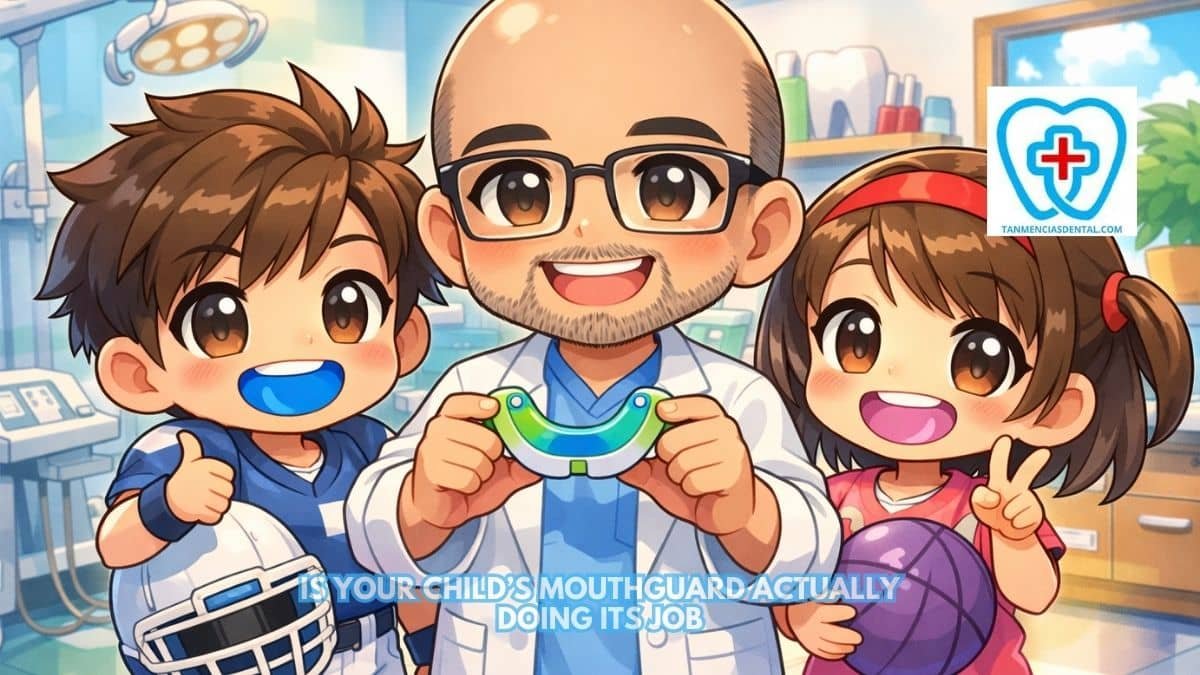
Many parents pause and ask, is your child’s mouthguard actually doing its job?
A mouthguard should protect teeth, gums, lips, and the jaw during sports and active play.
It works by creating a soft barrier between the upper and lower teeth, which helps reduce the force of a hit.
Without proper protection, a single blow can lead to broken teeth, cuts, or jaw pain.
By understanding how a mouthguard should fit and function, we can make smart choices that truly protect our children.
1. More Than Just Saving Teeth
A mouthguard does more than prevent chipped or knocked-out teeth.
It cushions the lips and cheeks, lowering the risk of painful cuts that may need stitches.
The guard also helps protect the jaw by spreading out the force of impact.
In some cases, it may reduce the chance of concussions by limiting how much the lower jaw slams into the upper jaw.
Because injuries to the mouth can affect eating, speaking, and confidence, strong protection matters for many reasons.
Looking beyond teeth alone helps us see the full value of this simple piece of gear.
🦷 What Are Some Common Mistakes to Avoid When Brushing Toddler Teeth?
2. Custom-Made vs. Store-Bought
Parents often choose between a custom mouthguard from a dentist and a store-bought option from a pharmacy or sports shop.
A custom mouthguard is made after the dentist takes an impression of your child’s teeth, which allows it to match the exact shape of the mouth.
This process is part of preventive dentistry and focuses on improving both fit and protection.
Because it fits closely, the guard is less likely to shift during running, jumping, or contact.
A pediatric dentist can also check your child’s bite and growth before making the guard, which helps ensure better comfort.
In contrast, store-bought types include boil-and-bite models that soften in hot water and then mold to the teeth at home.
Although these options cost less and are easy to find, they may feel bulky or uneven if not molded carefully.
A poor fit can affect breathing or speaking, which may lead children to remove the guard.
By comparing fit, comfort, durability, and professional guidance, we can decide which option offers the best protection for our child.
🦷 Are Healthy Smoothies Secretly Eroding Your Smile?
3. Why a Poor Fit Is Dangerous
A mouthguard that does not fit well can slip or fall out during play.
When it moves out of place, it cannot protect the teeth at the moment of impact.
This failure can lead to broken teeth, cuts inside the mouth, or jaw pain that could have been avoided.
A bulky guard may also make breathing or speaking harder, which leads some children to remove it during the game.
Once removed, it offers no protection at all, which defeats its purpose.
If your child keeps chewing on it, that often means the fit is not right and feels uncomfortable.
Over time, chewing can weaken the material and reduce protection, making it less effective at reducing the risk of injury.
Choosing a custom-fitted mouthguard can help solve many of these issues because it is shaped to match your child’s teeth closely.
By making sure the guard feels secure and comfortable, we take an important step to protect your child during sports and active play.
🦷 What are the Benefits of Tooth Restoration?
4. The Importance of Shock-Absorbing Materials
Not all mouthguards offer the same level of protection.
High-quality guards use shock-absorbing materials that cushion and spread out force from a hit.
This reduces the pressure placed on individual teeth and the jawbone.
Thin or low-quality materials may tear more easily and fail under strong impact.
A good guard should feel firm yet slightly flexible when pressed.
Choosing the right material gives your child better defense during intense play.
🦷 Could Your Dentist Be the One to Solve Your Chronic Exhaustion?
5. Adapting to Your Child’s Growth
Children’s mouths change quickly as they grow and lose baby teeth.
A mouthguard that fit well last season may feel tight or loose after new teeth come in.
Even small changes in tooth position can affect how the guard sits on the gums.
Checking the fit at the start of each sports season helps keep protection strong.
If the guard leaves red marks or falls out easily, it may no longer fit correctly.
Staying alert to growth changes ensures the guard keeps doing its job.
🦷 How Much Does Professional Cleaning Contribute To Long-Term Cavity Prevention?
6. Keeping It Clean and Sanitary
A mouthguard spends a lot of time in a warm and moist environment, which allows bacteria to grow.
Rinse it with cool water right after each use to remove saliva and debris.
Gently brushing it with a toothbrush and mild soap can help keep it clean.
Let it dry fully before placing it in a ventilated case to prevent odor and buildup.
Avoid using hot water, since heat can change its shape and ruin the fit.
Good cleaning habits protect both your child’s mouth and the guard itself.
🦷 The Essential Role of Dental Care Professionals in Oral Health
7. When It’s Time for a Replacement
Mouthguards do not last forever, even with good care.
Cracks, tears, or thinning spots can weaken protection.
If the guard feels loose or no longer snaps into place, it likely needs replacement.
Changes in bite or new dental work can also affect fit.
Most active children need a new guard every season or after a growth spurt.
Replacing worn gear on time helps avoid preventable injuries.
🦷 Meeting Your Basic Dental Needs: Tips for Optimal Oral Health
8. Regular Dental Checkups for Gear
Dental visits are a good time to check more than just teeth.
Bring the mouthguard to appointments so the dentist can inspect its fit and condition.
Dentists can see signs of wear that may not be obvious at home.
They can also adjust or recommend a new guard if your child’s bite has changed.
Regular checkups keep both teeth and protective gear in good shape.
Partnering with your dentist strengthens your child’s overall safety plan.
🦷 Can Regular Oral Prophylaxis Sessions Actually Reverse Gingivitis?
9. Protection Across All Sports
Many people think mouthguards are only needed for football or hockey, which are known contact sports.
However, children who play sports like basketball, soccer, baseball, skateboarding, and martial arts also face real risks.
These activities may not always look rough, yet falls, fast movement, and close contact can still lead to mouth injuries.
Even a stray elbow, a collision with another player, or a hard ball to the face can damage teeth.
Any sport that involves speed, physical contact, or hard surfaces increases the chance of impact.
Because of this, children who play sports regularly should consider wearing a mouthguard, even outside traditional contact sports.
Making mouthguards part of the standard gear helps build safe habits early.
Expanding protection across all sports helps lower the risk of preventable dental injuries.
🦷 Basic Dental Needs in Marikina
10. Investing in Prevention Over Repairs
Dental injuries can lead to long and costly treatments.
Fixing a broken tooth may require bonding, crowns, or even root canal therapy.
These procedures can take time and cause stress for both child and parent.
In contrast, a well-fitted mouthguard costs far less and offers daily protection.
Choosing quality gear shows that we value prevention over repair.
Smart investment today can prevent pain and expense tomorrow.
🦷 Marikina’s Complete Family Dental Solutions
👨⚕️ Conclusion
When we ask, “Is your child’s mouthguard actually doing its job?”, we should think about fit, material, cleanliness, and regular checks.
A guard that fits well, uses strong materials, and stays clean can greatly reduce injury risk.
Growth changes and wear require close attention each season.
Working with your dentist and staying involved makes a real difference.
By taking these steps, we help protect our children’s smiles every time they step onto the field or court.
❔ FAQs
1. At what age should my child start wearing a mouthguard?
Children should wear a mouthguard as soon as they join sports with contact or risk of falls.
This includes sports like basketball, soccer, martial arts, and football.
Even young children can have dental injuries during play.
Starting early helps build the habit of wearing one every time they play.
2. How can I tell if my child’s mouthguard fits properly?
A proper fit means the mouthguard stays in place without your child needing to bite down to hold it.
It should feel snug but not painful.
Your child should be able to breathe and speak without much trouble.
If it slips, feels too tight, or causes sores, it may not fit correctly.
3. Can my child wear a mouthguard with braces?
Yes, children with braces should wear a mouthguard during sports.
Braces can cause cuts inside the mouth if there is a hit.
A properly fitted mouthguard helps protect both the teeth and the brackets.
It is best to ask your dentist for advice on the right type for braces.
4. How should my child store a mouthguard after practice or games?
After cleaning and drying the mouthguard, place it in a hard case with small air holes.
This allows air to flow and helps prevent odor and bacterial growth.
Avoid wrapping it in tissue or leaving it loose in a bag.
Proper storage helps the guard keep its shape and last longer.
5. What should I do if my child forgets to wear the mouthguard during a game?
Remind your child that wearing it is part of their sports gear, like shoes or a helmet.
Talk about how it protects their teeth and prevents pain.
Coaches can also help reinforce the rule during practice and games.
Building a routine makes it easier for children to remember each time they play.
😁 Self-Promotion
Visit Tan-Mencias Dental Clinic at 44 G. Del Pilar Street, Parang, Marikina City for gentle and reliable dental care for your whole family.
Our team works hard to keep every visit comfortable, safe, and stress-free.
If you have questions or want to book an appointment, you can call or text us at 0917-145-1074.
You may also send us a message through our Facebook page or through the contact form on our website.
We look forward to caring for your smile and helping you stay confident and healthy.