
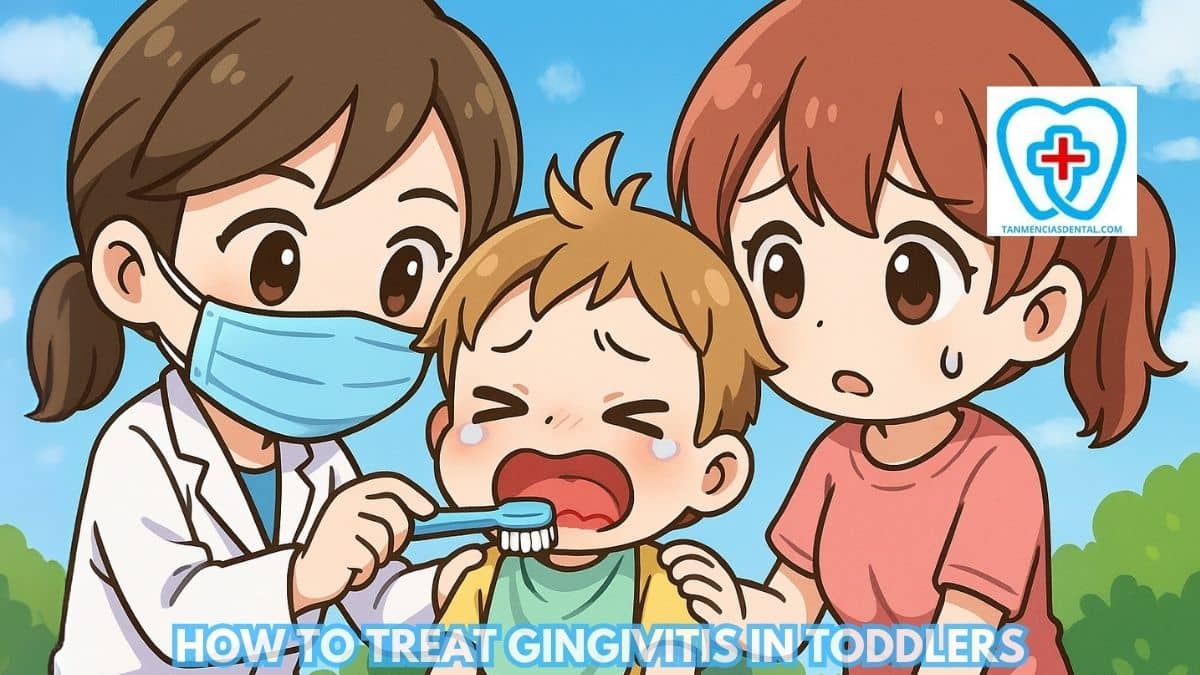
Gingivitis is a common gum problem in toddlers that causes redness, swelling, and discomfort.
It develops when plaque, a sticky layer of bacteria, builds up on the teeth and irritates the gums.
Parents who want to learn how to treat gingivitis in toddlers need to know both how to relieve the symptoms and how to prevent the problem from coming back.
Good daily habits, a healthy diet, and regular dental visits are key parts of protecting a child’s gums.
We’ll explain the causes, signs, and practical steps parents can take to keep their toddler’s mouth healthy and free from gum disease.
1. What is Gingivitis in Toddlers? A Gentle Introduction to Gum Disease
Gingivitis in toddlers refers to the swelling and redness of the gum tissue caused by the buildup of bacterial plaque.
Plaque develops when bits of food mix with saliva and bacteria, creating a sticky coating on the teeth.
If this coating is not cleaned away, it can harden into tartar, which irritates the gum tissue even more.
As the irritation continues, the gums may inflame, becoming sore and sensitive when your child eats or brushes.
In some cases, untreated gingivitis can cause the gums to recede slightly from the teeth, leaving small gaps where more bacteria can collect.
This stage is considered the earliest form of gum disease, but if ignored, it can progress to more advanced problems.
Gingivitis is recognized as a mild form of periodontal disease in children, which means it affects the structures that support the teeth.
The good news is that with regular brushing, flossing, and professional cleanings, gingivitis can usually be reversed.
By learning how it begins and how it affects gum tissue, parents can take quick action to protect their toddler’s oral health.
🦷 How Sedation Dentist Procedures Help Patients Overcome Dental Anxiety
2. Common Causes of Gingivitis in Children: Why Do Toddlers Get Gum Problems?
Several factors contribute to the development of gingivitis in toddlers, and understanding them helps parents take better care of their child’s mouth.
Poor oral hygiene is one of the most common reasons, since skipping or rushing brushing allows sticky plaque to build up on the teeth and gums.
A diet that includes too many sugary snacks or drinks also feeds the bacteria that irritate.
Gum problems are common in children who have certain medical conditions or who take medications that affect saliva flow or gum health.
Even habits like extended bottle feeding or frequent snacking can increase the risk of swollen gums.
By learning these causes early, parents can make changes that reduce the chances of gingivitis and keep their child’s smile healthy.
🦷 How to Keep Your Teeth Clean With Braces: A Helpful Guide
3. Recognizing the Signs of Gingivitis: Spotting the Early Warning Signs of Gum Disease
Identifying the early signs of gingivitis in toddlers is important because treatment works best when the problem is caught early.
Common signs and symptoms include gums that look red, puffy, and tender to the touch.
Parents may notice bleeding gums during brushing or flossing, which often means the tissue is irritated by plaque.
Bad breath that continues even after cleaning the teeth is another signal that bacteria may be affecting the gums.
You should also watch for changes in gum color, such as darker red areas, and for differences in how the gums fit around the teeth.
Some children may complain of pain or avoid chewing certain foods because their gums are sore.
Paying close attention to these early details helps prevent the condition from getting worse and protects your child’s long-term oral health.
🦷 Should I Brush My Teeth Before Using Whitening Strips?
4. The Importance of Good Oral Hygiene for Toddlers: Building a Strong Foundation for Dental Health
Establishing good oral hygiene habits early in life is essential for preventing gingivitis and other dental problems.
Teaching your toddler to brush their teeth twice a day helps remove plaque and food particles.
Using a fluoride toothpaste strengthens tooth enamel and helps prevent decay.
Supervising their brushing and flossing ensures they learn the correct techniques and form a routine.
Consistent dental care from a young age sets the stage for a lifetime of healthy teeth and gums.
🦷 Do You Brush Your Teeth After Whitening? Find Out!
5. Building Daily Habits for Healthy Gums
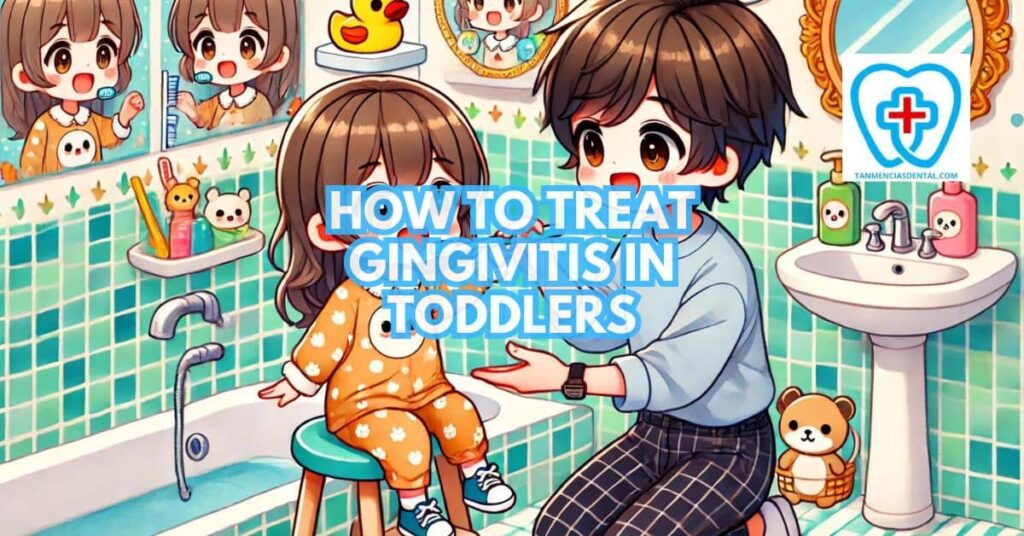
Creating a daily routine helps toddlers learn that caring for their teeth is a normal part of life.
Setting a regular time for brushing and flossing, such as after breakfast and before bed, makes the routine easier to remember.
Parents can make the process more engaging by using songs, stories, or colorful charts to track progress.
Involving siblings or other family members can encourage toddlers to join in and feel included.
When routines are consistent and enjoyable, toddlers are more likely to cooperate and keep their gums healthy.
🦷 Bad Taste in Mouth Even After Brushing Teeth: What’s Going On?
6. Gentle but Effective Brushing Techniques: How to Clean Your Toddler’s Teeth Without a Fight
To clean your toddler’s teeth effectively, use a small, soft-bristled toothbrush and a pea-sized amount of fluoride toothpaste.
Brush in gentle, circular motions, covering all surfaces of the teeth and along the gum line.
Make brushing fun by singing songs or using a timer to encourage your child to brush for two minutes.
Praise and reward your toddler for cooperating, making the experience positive.
Consistent, gentle brushing helps remove plaque and prevent gum disease without causing discomfort.
🦷 How Often To Brush Teeth With Braces and Keep Them Cavity-Free
7. Flossing Your Toddler’s Teeth: Is It Necessary? The Lowdown on Flossing for Little Ones
Flossing is essential for removing plaque and food particles between teeth where a toothbrush cannot reach.
For toddlers, floss picks designed for children are easier to use than traditional floss.
Introduce flossing gradually, starting with once a day, to help your child get used to the sensation.
Make it a part of their bedtime routine to reinforce its importance.
Regular flossing prevents plaque buildup and reduces the risk of gingivitis and other dental issues.
🦷 How a Diet for Gingivitis Can Improve Your Gum Health
8. Regular Dental Checkups: Your Toddler’s Best Defense, The Role of the Pediatric Dentist in Preventing Gingivitis
Regular dental checkups are vital for preventing and treating gingivitis in toddlers.
Pediatric dentists specialize in children’s dental care and can identify early signs of gum disease.
These checkups, recommended every six months, include professional cleanings that remove plaque and tartar.
Dentists can also provide advice on proper brushing and flossing techniques and recommend preventive treatments like fluoride varnishes.
Early and consistent dental visits help maintain your child’s oral health and prevent future problems.
🦷 Can Mouthwash Cure Sore Throat? Don’t Gargle the Wrong Answer!
9. Diet and Oral Health: What Toddlers Should Eat Nourishing Your Child’s Gums from the Inside Out
A balanced diet plays a crucial role in maintaining your toddler’s oral health and preventing gingivitis.
Encourage your child to eat a variety of fruits, vegetables, and dairy products, which provide essential nutrients for healthy gums and teeth.
Limit sugary snacks and beverages, as they contribute to plaque buildup and gum problems.
Drinking plenty of water helps wash away food particles and bacteria, keeping the mouth clean.
Promoting a healthy diet supports overall dental health and reduces the risk of gum disease.
🦷 Brushing Away Trouble: Best Toothpaste for Plaque and Gingivitis
10. Home Remedies for Gingivitis Relief: Gentle Ways to Soothe Sore Gums
Several home remedies can help alleviate the discomfort of gingivitis in toddlers.
A saltwater rinse, made by mixing half a teaspoon of salt in a glass of warm water, can reduce gum inflammation and soothe soreness.
Cold compresses applied to the outside of the mouth can also help relieve pain and swelling.
Ensure your child maintains good oral hygiene practices, as consistent brushing and flossing are key to managing gingivitis.
Always consult your pediatric dentist before trying new remedies to ensure they are safe and appropriate for your child.
🦷 Basic Dental Needs in Marikina
11. When to Seek Professional Help for Toddler Gingivitis: Knowing When to Call the Pediatric Dentist
While mild gingivitis can often be managed at home, there are times when professional care is necessary.
If your toddler’s gums remain red, swollen, and bleeding for more than a few days, or if they complain of strong pain that makes eating difficult, you should schedule a dental visit.
Persistent bad breath that does not improve with brushing and flossing can also signal a deeper problem.
Specialists in pediatric dentistry are trained to recognize these warning signs and provide treatments that are safe and effective for young children.
In some cases, untreated gingivitis can progress to periodontitis, which is a more serious gum disease that can damage the tissues supporting the teeth.
A pediatric dentist may suggest professional cleanings, fluoride treatments, or other care that cannot be done at home.
Seeking help early not only eases your child’s discomfort but also protects their long-term oral health.
🦷 Friendly Dentist in Marikina City
👨⚕️ Conclusion
Treating and preventing gingivitis in toddlers involves a combination of good oral hygiene, a balanced diet, and regular dental checkups.
Early recognition of symptoms and consistent care are key to maintaining healthy gums.
By teaching your child proper brushing and flossing techniques and ensuring they have regular dental visits, you can prevent gum disease and other dental issues.
Encourage healthy eating habits to support their overall oral health.
With these strategies, you can help your toddler achieve a bright, healthy smile.
😊 Self-Promotion
Visit Tan-Mencias Dental Clinic in Parang, Marikina City, where your family’s dental health is our priority.
Our friendly team is ready to provide you with top-notch dental care in a welcoming environment.
Have questions or need to book an appointment?
You can reach us through our Facebook page, our website’s contact form, or by calling us at 0917-145-1074.
We’re here to ensure your smile stays bright and healthy!
❔ FAQs
1. Can toddlers grow out of gingivitis on their own?
No, gingivitis will not go away without care.
If plaque stays on the teeth, it can harden into tartar and make the gums worse.
Proper brushing, flossing, and dental visits are needed to stop and reverse the condition.
Parents should not wait for it to disappear naturally.
Early treatment prevents more serious gum disease.
2. At what age should I start brushing my toddler’s teeth?
You should begin cleaning your child’s mouth as soon as the first tooth appears.
At first, you can use a soft cloth or an infant toothbrush with water.
As more teeth come in, switch to a small toothbrush with a tiny amount of fluoride toothpaste.
Early brushing helps your child get used to the routine.
Starting early lowers the risk of gum problems.
3. Is bleeding while brushing always a sign of gingivitis?
Not always, but it often means the gums are irritated.
Sometimes gums bleed if brushing is too rough or if flossing is new.
However, frequent or ongoing bleeding usually points to gingivitis.
If the bleeding does not improve with gentle brushing and flossing, you should see a dentist.
Early checks help prevent bigger problems.
4. Can teething make gingivitis worse in toddlers?
Yes, teething can make gums sore and swollen, which may increase the chance of plaque sticking to the teeth.
This can lead to more irritation if the gums are not kept clean.
Parents should continue gentle brushing even during teething.
A soft toothbrush and comfort measures like a cold teether can help.
Keeping up with oral care reduces extra gum problems.
5. How can I make brushing easier if my toddler refuses?
Toddlers often resist brushing, but turning it into a fun activity helps.
You can sing songs, use a timer, or let them choose their toothbrush.
Brushing together as a family shows them it is normal.
Using reward charts or praising them after brushing can also encourage cooperation.
The key is consistency and patience, so the habit becomes part of their day.