
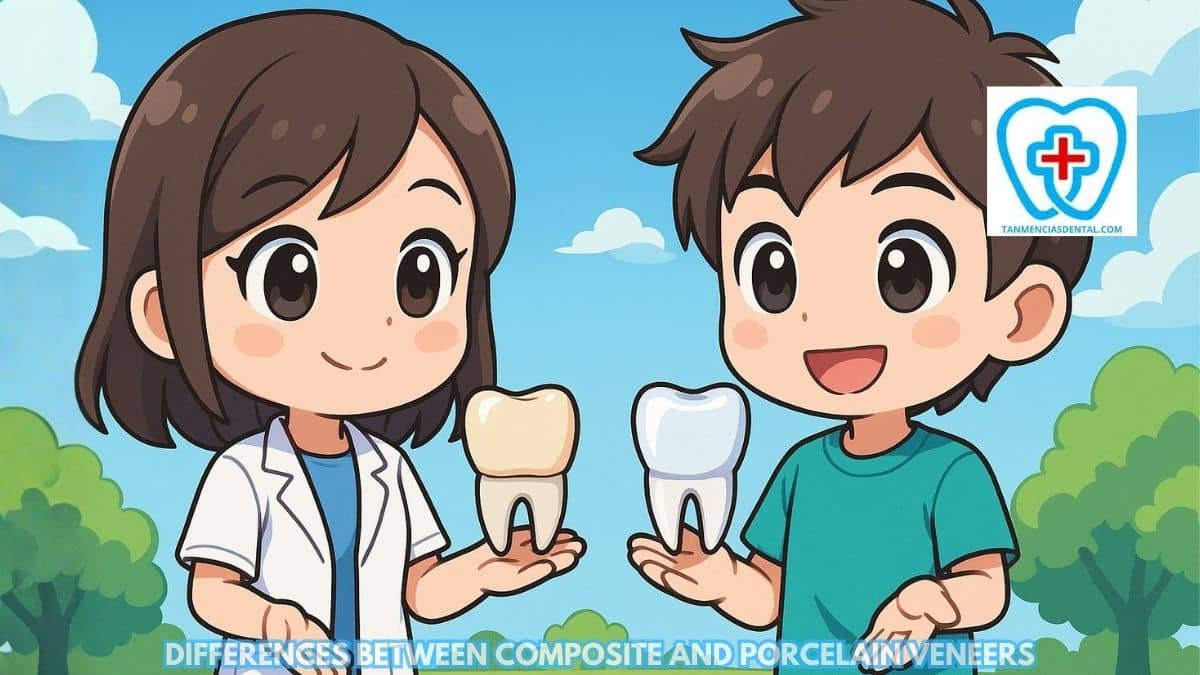
Dental veneers are thin coverings placed on the front of teeth to improve their appearance.
They are often used to fix chips, gaps, stains, or uneven shapes.
Two common options are composite veneers and porcelain veneers.
Each type works well but fits different needs.
Knowing the differences between composite and porcelain veneers helps you choose the option that matches your goals, budget, and timeline.
1. Material: Resin vs. Ceramic Composition
Composite veneers are made from a resin material that is close to what dentists use for tooth fillings.
This resin is applied and shaped directly on your tooth during the visit, allowing quick changes and adjustments.
The color can be matched to blend well with your natural teeth.
Porcelain veneers are made from ceramic and are created in a dental lab before placement.
The ceramic material is baked and hardened to increase strength and stability.
Compared to porcelain, resin is softer and more likely to wear down over time.
Porcelain holds its shape and color better because of its dense structure.
The type of material used affects how long the veneer lasts, how it looks, and how it ages.
🦷 How to Prepare for a Broken Tooth at Gum Line Extraction Procedure
2. Procedure: Single-Visit Direct Bonding vs. Multi-Visit Lab Fabrication
Composite veneers are often finished in a single dental visit.
The dentist places the resin on the tooth, shapes it, and hardens it during the same appointment.
This process allows patients to see results right away.
Porcelain veneers take more time because they are custom-made.
During the first visit, the dentist takes impressions of the teeth and sends them to a dental laboratory.
The laboratory creates the veneers to match the size and color needed.
The final veneers are bonded to the teeth during a later visit once they are complete.
🦷 Can I Use Salt Water As Mouthwash Every Day?
3. Cost: Budget-Friendly vs. Higher Investment
Composite veneers are generally less expensive at the start.
The lower cost comes from fewer visits and no lab fees.
Porcelain veneers cost more because of custom lab work and stronger materials.
Insurance often does not cover either option since they are cosmetic.
Cost should be balanced with how long you want the veneers to last.
🦷 Home Remedies and the Best Way to Relieve Toothache Pain Fast Before Your Appointment
4. Longevity: 5-7 Year Lifespan vs. 10-15+ Year Lifespan
Composite veneers usually last about five to seven years when cared for properly.
Daily habits like grinding teeth or chewing hard foods can cause them to wear down faster.
Porcelain veneers are stronger and more resistant to damage.
In many cases, porcelain veneers can last ten to fifteen years or even longer with good care.
Brushing, flossing, and regular dental visits help veneers last as long as possible.
Avoiding habits like biting ice or using teeth to open items also protects them.
When looking at long-term value, it is important to compare how long veneers last.
The difference in lifespan often affects overall cost and satisfaction over time.
🦷 How to Choose the Best Toothpaste for Tartar
5. Aesthetics: Good Opacity vs. Superior Translucency
Composite veneers offer a natural look that works well for many patients.
The resin can match tooth color but tends to look more solid.
Porcelain veneers allow light to pass through in a way similar to natural enamel.
This creates a more lifelike appearance.
People focused on high-end cosmetic results often prefer porcelain.
🦷 How Long Does the Numbness Last After Wisdom Teeth Removal?
6. Staining: Susceptible to Stains vs. Highly Stain-Resistant
Composite resin can stain over time from coffee, tea, or red wine.
Polishing can help, but stains may still return.
Porcelain veneers resist stains much better.
Their smooth surface does not absorb color easily.
Daily habits play an important role in how clean veneers stay.
🦷 What Is The Purpose Of Wisdom Teeth?
7. Preparation: Minimal Enamel Reduction vs. Irreversible Enamel Removal
Composite veneers often need very little tooth enamel to be removed.
In some cases, the dentist can place them without drilling the tooth at all.
This approach helps keep the natural tooth structure mostly intact.
Porcelain veneers usually require the dentist to trim tooth enamel so the veneer fits and looks natural.
Once enamel is removed, it does not grow back.
This makes porcelain veneers a permanent change to the tooth.
Patients who want a less invasive option often consider how much enamel must be removed before deciding.
🦷 Can I Change Dentists for Braces Mid-Treatment?
8. Repair: Easily Repaired vs. Must Be Replaced
If a composite veneer chips or cracks, repair is often simple and fast.
The dentist can add new resin to the damaged area and shape it to match the tooth.
This makes repairs less costly and easier to schedule.
Porcelain veneers cannot be fixed in the same way once they break.
In most cases, veneers require full replacement when porcelain is damaged.
Replacement involves new impressions and another visit.
The difference in repair options affects both long-term cost and daily convenience.
🦷 How to Choose the Best Toothbrush for Teeth
9. Ideal Use: Minor Cosmetic Issues vs. Major Aesthetic Changes
Composite veneers are ideal for small chips, short teeth, or minor gaps.
They work well when changes are limited and subtle.
Porcelain veneers handle larger shape changes and deep stains.
They are often used for full smile makeovers.
The size of the cosmetic issue helps determine the best option.
🦷 Basic Dental Needs in Marikina
10. Hardness: Softer Resin Material vs. Harder Porcelain Surface
Composite resin is softer than porcelain.
This makes it easier to shape but more likely to wear down.
Porcelain is harder and keeps its form longer.
The hardness helps resist daily chewing forces.
Bite strength and grinding habits should be discussed with your dentist.
🦷 Tan-Mencias Dental Clinic – Marikina’s Trusted Dental Professionals for Superior Care
👨⚕️ Conclusion
Both veneer types can improve your smile when used correctly.
The differences between composite and porcelain veneers involve material, cost, time, and durability.
Personal goals and oral habits matter when choosing between them.
Each option has strengths and limitations.
A dental professional can help guide you toward the right choice.
❔ FAQs
1. Are composite or porcelain veneers painful to get?
Most people feel little to no pain during veneer placement.
Composite veneers usually need little enamel removal, which helps reduce discomfort.
Porcelain veneers may involve more tooth preparation, but local anesthesia is used to keep you comfortable.
Mild sensitivity after the procedure is common and often goes away in a few days.
2. Can veneers fix crooked or misaligned teeth?
Veneers can improve the look of mildly crooked teeth.
They do not move teeth like braces or aligners do.
Composite veneers work best for small alignment issues.
Porcelain veneers are often used when bigger visual changes are needed.
3. How do I take care of my veneers every day?
Daily care is similar to caring for natural teeth.
Brushing twice a day and flossing once a day helps keep veneers in good shape.
Avoid biting hard objects like ice or pens.
Regular dental checkups also help extend veneer life.
4. Can veneers be removed later if I change my mind?
Composite veneers can often be removed or adjusted because they usually do not require much enamel removal.
Porcelain veneers are more permanent due to enamel trimming.
Once enamel is removed, the tooth will always need coverage.
This is why careful planning is important before choosing porcelain veneers.
5. Which veneer option is better for someone who grinds their teeth?
Teeth grinding can affect both types of veneers.
Composite veneers may wear down faster because the material is softer.
Porcelain veneers are harder but can still chip under heavy force.
Dentists often recommend a night guard to help protect veneers from damage.
😁 Self-Promotion
Visit Tan-Mencias Dental Clinic at 44 G. Del Pilar Street, Parang, Marikina City for friendly and caring dental service.
Our team is ready to help you feel comfortable while taking care of your smile.
You can call our dental clinic if you have questions or need to book a visit.
You may also send us a message through our Facebook page or through the contact form on our website.
For quick help, you can call or text us at 0917-145-1074 anytime.