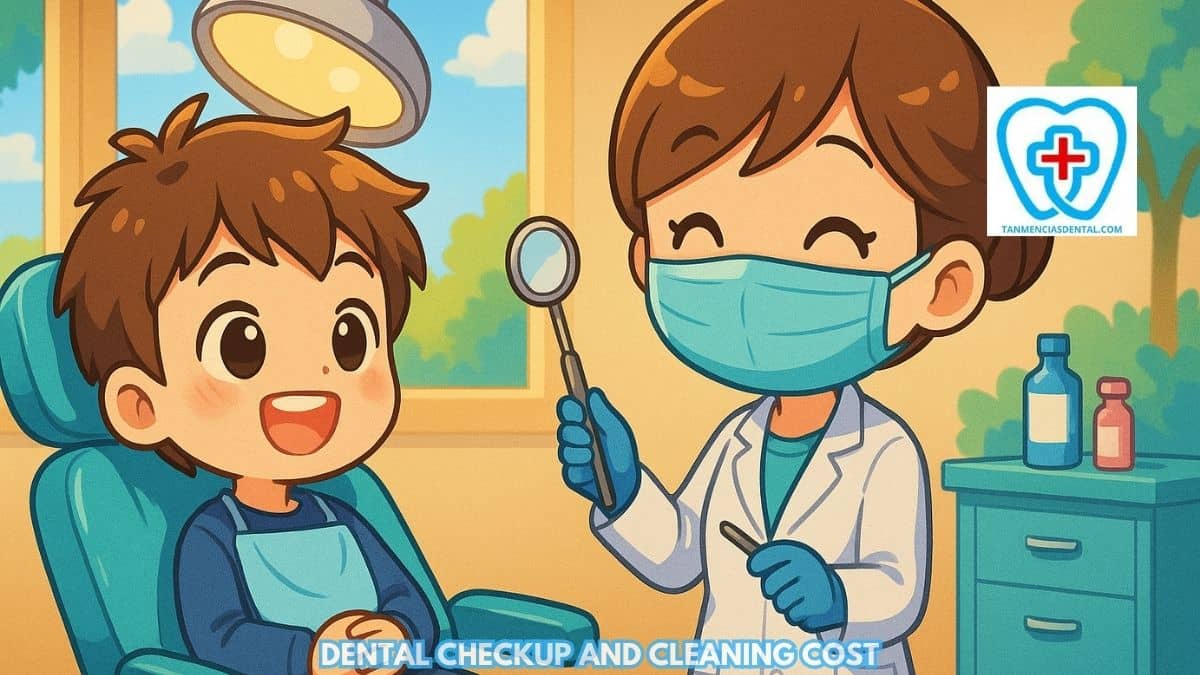
Regular dental care can become expensive, so it helps to understand your dental checkup and cleaning costs before you visit a clinic.
Prices in the Philippines can change based on the clinic’s location, the dentist’s experience, and the type of cleaning you need.
Learning how these factors affect your total cost can help you prepare your budget.
It is also useful to know what services are usually included and which ones may be charged separately.
With the right information, you can plan your dental visit and avoid spending more than you expect.
1. What to Expect: Average Costs for Dental Checkups and Cleanings
When you visit a dentist for a checkup and teeth cleaning, the appointment typically includes an examination, X-rays, and a thorough cleaning of your teeth.
The average teeth cleaning cost in the Philippines ranges from ₱700 to ₱1,500, but this price can go over ₱2,000 if additional treatments like fluoride application or sealants are required.
If you are without insurance, it’s important to note that these costs can vary significantly based on the dentist’s experience and the location of the clinic.
Clinics in urban areas often have higher fees compared to those in rural locations, largely due to increased overhead expenses.
Being aware of these price differences allows you to plan and budget effectively for your dental care.
Additionally, asking your dentist for a detailed breakdown of costs can help you understand where your money is going.
This knowledge will help you manage your dental expenses, especially when you’re paying out of pocket without insurance.
🦷 Why Is Dental Work So Expensive? Comparing Costs Across Different Procedures
2. Ask About Common Extra Fees Before Your Dental Visit
Many dental clinics list a base price for cleaning, but some services may cost extra.
These extra fees can include the dentist’s consultation fee, dental X-rays, or fluoride application.
Some clinics may also charge for polishing or for additional cleaning if there is heavy tartar.
A clinic may add charges if the dentist needs more time to complete your dental exam.
It is also possible to pay more if the dentist needs to perform a simple dental procedure to remove stains or buildup.
Different dental practices set their own fees, so the total price can change from one clinic to another.
It helps to ask the clinic if these services are included in the price they gave you.
Asking these questions can help you plan your budget and avoid costs you did not expect.
🦷 Are Dentists Rich? Unveiling the Truth Behind the Smiles and Stethoscopes
3. How to Review Your Dental Insurance for Checkup and Cleaning Coverage
When you check your dental insurance or HMO plan in the Philippines, it is important to know what services are included.
Most plans offer basic dental care.
This usually covers checkups and simple procedures.
Some plans include one or two oral prophylaxis sessions each year.
Other plans do not include teeth cleaning, so you may need to pay for it yourself.
If you need a deep cleaning, also called scaling and root planing, you should know that most HMOs do not cover this treatment.
Deep cleaning is more detailed and takes more time.
Because of this, clinics often charge a separate fee.
You should also check if your dentist is accredited by your HMO provider.
Philippine HMOs only give coverage when you visit accredited clinics.
If you choose a dentist who is not accredited, you will need to pay the full amount.
Some plans may limit the number of services you can use in a year.
This can include cleanings, checkups, or fillings.
Reading your plan can help you understand these limits so you do not get surprised by extra costs.
Knowing what your plan covers helps you prepare for your visit.
This makes it easier to manage how much you need to spend.
If you are unsure about any detail, you can contact your HMO provider or ask the clinic staff to explain what is covered.
🦷 Can Baking Soda Remove Tartar and Improve Your Oral Health?
4. Why You Should Plan for Annual Dental Expenses
Planning for annual dental expenses is especially important if you are without dental insurance, as it helps you manage the cost of regular checkups and cleanings, along with any unexpected treatments that may arise.
By setting aside a specific amount in your yearly budget for dental care, you can avoid the financial stress of last-minute expenses and take advantage of dental savings opportunities, such as discounts for paying upfront or booking multiple visits in advance.
This proactive approach not only keeps your oral health in check but also reduces the risk of more expensive dental problems in the future.
Many dental offices offer a dental discount plan for patients without insurance, which can further lower your out-of-pocket costs.
Planning for these expenses ensures that your dental care remains affordable and prevents you from having to delay necessary treatments due to financial constraints.
By making dental care an integral part of your financial planning, you can maintain a healthy smile without breaking the bank.
🦷 Can Electric Toothbrushes Damage Teeth?

5. How to Compare Dental Costs for the Best Rates
Comparing dental costs is an effective way to ensure you’re getting the best value for your money.
Start by contacting several dental clinics in your area to request quotes for checkups and cleanings.
Be sure to ask about any additional fees that might not be included in the base price.
Online resources and review platforms can also provide insight into the pricing and quality of care at different clinics.
By comparing prices and services, you can choose a provider that offers both affordability and quality care.
🦷 Exploring the Benefits of Rinsing With Saltwater for Your Oral Health
6. Finding Discounts and Special Offers on Dental Services
Many dental clinics offer discounts or special promotions, especially for new patients or those paying in cash.
It can help to look for deals on routine dental visits since some clinics lower their prices during certain months.
You can also check clinic websites or subscribe to their newsletters to learn about new offers as soon as they are posted.
Some clinics give bundled packages that include dental cleanings and other services at a lower combined price.
Seasonal discounts are common during holidays or clinic anniversaries and can reduce the total cost of your visit.
Dental schools may offer cheaper services because students work under the supervision of licensed dentists.
Using these discounts can help you manage your dental care budget without lowering the quality of your treatment.
🦷 Why Do Gums Bleed When Brushing Teeth? Common Causes and Solutions
7. Using Employer Health Benefits and Personal Savings to Cover Dental Costs
Flexible Spending Accounts and Health Savings Accounts are not used in the Philippines.
For this reason, many people depend on employer health benefits or their own savings to help pay for dental care.
Some companies in the Philippines give a yearly health allowance that employees can use for dental services.
This allowance may cover checkups, cleanings, or fillings, depending on the company’s rules.
The amount provided varies, so it is important to ask your HR department about the exact benefit.
You should also ask what receipts or documents you need to submit so the reimbursement is processed without delay.
If your employer offers insurance plans as part of your benefits, check if these plans include dental coverage.
Some insurance coverage includes simple procedures and one or two cleanings each year, while others may only cover consultations.
Deep cleaning and other advanced treatments are usually not included, so you may need to pay for these services yourself.
If you do not have an HMO or employer allowance, saving a small amount each month can help you prepare for future dental visits.
You can keep this money in a separate savings envelope or a small bank account to avoid using it for other expenses.
This simple habit makes it easier to pay for care when a dental problem comes up.
Reviewing your benefits and savings regularly can help you plan well for your next appointment.
This can also reduce stress because you know you have set aside money for your dental needs.
🦷 Tips for Optimal Dental Care While You Sleep
8. How to Save Monthly for Your Next Dental Checkup and Cleaning
Saving a small amount each month can make the cost of dental checkups and cleanings more manageable.
Start by estimating your annual dental expenses and dividing that amount by 12 to determine how much you should save each month.
Consider setting up an automatic transfer to a dedicated savings account to ensure you stay on track.
Even modest monthly contributions can accumulate into a significant sum by the time your appointment arrives.
This approach helps you avoid the financial burden of a lump-sum payment when it’s time for your dental visit.
🦷 Combining Baking Soda and Salt for Teeth: Tips for Safe and Effective Use
9. Exploring Payment Plans and Financing Options for Dental Care
If you find it hard to pay the full cost of a dental visit, some clinics in the Philippines offer payment options that can make the expense easier to manage.
These options are more common for treatments that cost more, such as braces, dentures, or deep cleaning.
Many clinics allow you to pay through credit card installments.
Some credit cards offer zero percent interest for a set number of months.
The clinic may also give its own installment plan.
These in-house plans usually require a down payment at the start.
The remaining balance is paid over several weeks or months.
The exact terms depend on the clinic, so it is important to ask about the total cost and the payment schedule before you agree.
For simple dental services such as regular cleaning or checkups, most clinics expect full payment on the day of your visit.
However, some clinics accept partial payments for larger procedures when arranged ahead of time.
Payment plans can help you get the treatment you need without delaying your visit.
Asking the clinic staff about their available options can help you prepare your budget and avoid unexpected costs.
🦷 Understanding How Long A Dentist Appointment Takes
10. Adjusting Your Budget Based on Dental Expenses
Regularly reviewing and adjusting your budget to account for dental expenses ensures that you’re always financially prepared for checkups and cleanings.
Start by evaluating your current spending habits to identify areas where you can cut back and reallocate funds to your dental care budget.
It’s also important to consider any changes in your dental needs, such as increased frequency of visits or additional treatments, and adjust your budget accordingly.
Keeping your budget flexible allows you to accommodate any unexpected dental costs without disrupting your overall financial plan.
This proactive approach helps maintain both your oral health and financial stability.
11. Discussing Alternative Treatments to Lower Dental Costs
Discussing alternative treatments with your dentist can be an effective way to lower your overall dental costs.
Some procedures may have less expensive alternatives that still provide the desired results, such as opting for a different type of cleaning or using preventive measures.
It’s important to have an open conversation with your dentist about your budget constraints and explore all available options.
Sometimes, simple lifestyle changes or at-home care can reduce the need for more costly treatments.
By considering alternatives, you can manage your dental expenses more effectively while still maintaining good oral health.
🦷 Tan-Mencias Dental Clinic – Comprehensive Dentistry, Marikina
👨⚕️ Conclusion
Proper preparation and budgeting for your dental checkup and cleaning costs are key to ensuring you receive the care you need without financial stress.
By understanding the average costs, utilizing insurance, exploring discounts, and adjusting your budget, you can manage your dental expenses more effectively.
Regular saving, combined with strategic use of FSAs, HSAs, and payment plans, can make dental care more affordable.
In addition, discussing cost-effective treatment options with your dentist can further reduce expenses.
With careful planning, you can keep your oral health in check while staying within your budget.
❔ FAQs
1. How often should I get a dental checkup and cleaning?
Most dentists recommend a checkup and cleaning every six months.
Some people may need more frequent visits if they have gum problems or heavy tartar.
Your dentist can tell you the best schedule for your teeth and gums.
2. Why do dental cleaning prices differ between clinics?
Prices differ because clinics have different equipment, staff costs, and locations.
Clinics in cities usually charge more because their expenses are higher.
The dentist’s experience can also affect the price.
3. What should I ask a clinic before booking a dental cleaning?
You can ask for the total price and what services are included.
It is also helpful to ask if there are extra fees for X-rays, polishing, or consultation.
These questions can help you plan your budget before your visit.
4. Is deep cleaning the same as a regular cleaning?
A regular cleaning removes plaque and tartar on the surface of your teeth.
A deep cleaning removes dirt below the gums and takes more time to finish.
Most HMOs do not cover deep cleaning, so it often costs more.
5. What can I do to lower my dental cleaning costs?
You can compare prices from different clinics and ask about any discounts.
Some clinics offer lower prices for cash payments or special promotions.
Good daily brushing and flossing can also help reduce the need for more expensive treatments.
😁 Self-Promotion
Visit Tan-Mencias Dental Clinic in Parang, Marikina City, where your smile is our top priority.
Our friendly team is ready to provide exceptional care tailored to your needs.
Have questions or need to schedule an appointment?
Feel free to call us at 0917-1451-074, send a message through our Facebook page, or reach out via our website’s contact form.
We’re here to make your dental experience comfortable and convenient!