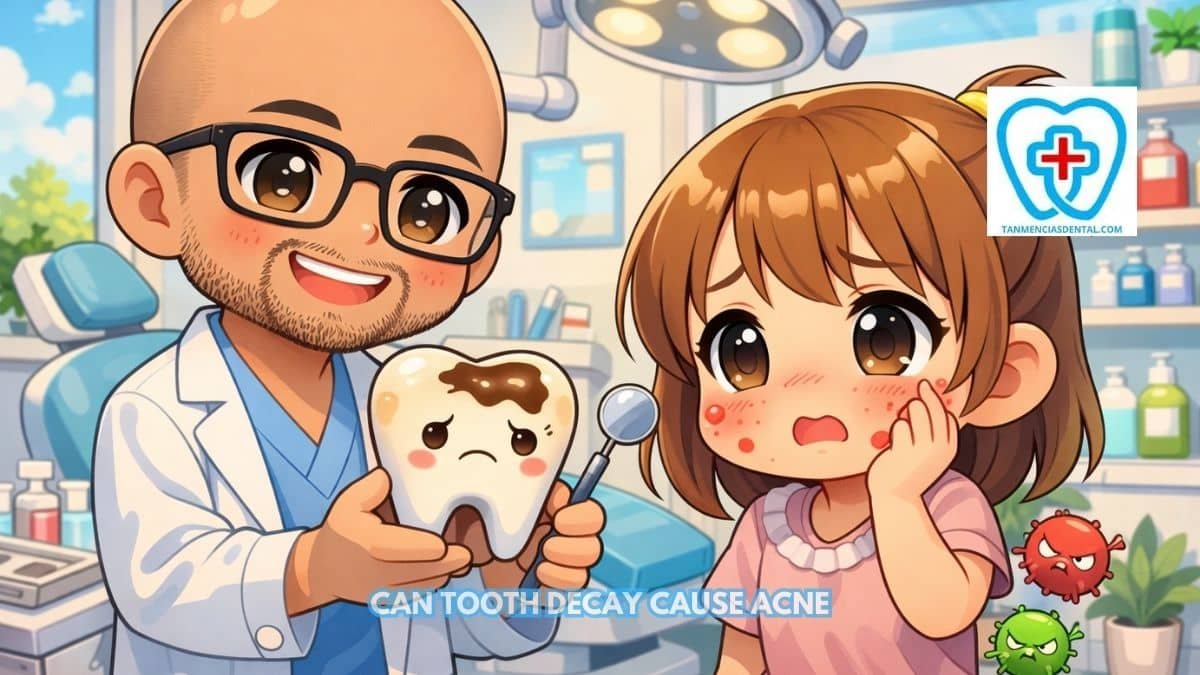
Acne can be frustrating, especially when breakouts continue even after trying different skin care routines.
Many people focus only on the skin, yet other parts of the body may also influence acne.
Some researchers and health experts have started asking an important question: can tooth decay cause acne or make breakouts worse?
Problems in the mouth, such as cavities and gum disease, can increase harmful bacteria and inflammation in the body.
We’ll explain how oral health and skin health may be connected and why this relationship matters.
Understanding this possible link can help you take better care of both your teeth and your skin.
1. The Basics of Acne: More Than Just Skin Deep
Acne is influenced by many factors, including genetics, diet, stress, and the balance of bacteria on the skin.
These factors can affect how much oil the skin produces and how easily pores become clogged.
While Cutibacterium acnes, also known as Propionibacterium acnes, is often linked to pimple formation, internal conditions in the body may also play a role.
Some researchers have started to study the possible connection between oral health and acne, especially when harmful bacteria grow in the mouth.
Poor oral hygiene, such as untreated cavities or gum disease, can allow bacteria to multiply and cause inflammation.
This inflammation can affect different parts of the body, including the skin.
Because of this, dentists and health professionals sometimes look at oral health when exploring possible factors that may worsen acne.
Taking care of both your skin and your teeth may help support better overall health and clearer skin.
🦷 Is Your Child’s Mouthguard Actually Doing Its Job?
2. Diet and Nutrition: Essential for Oral and Skin Health
A balanced diet is crucial for keeping both your teeth and skin in good condition.
Eating too many sugary and starchy foods fuels bad bacteria in the mouth, which can cause cavities and gum problems.
These same foods can also raise insulin levels, leading to more oil production and clogged pores, which may result in pimples.
To support oral and skin health, it’s important to include nutrient-dense foods like vegetables, lean meats, and whole grains.
Drinking plenty of water, using mouthwash to control oral bacteria, and remembering to wash your face regularly can further reduce the risk of acne.
These simple habits help limit the growth of bad bacteria in the mouth and on the skin.
By paying attention to what you eat and your daily hygiene routine, you can work towards a healthier smile and clearer skin.
🦷 What Are Some Common Mistakes to Avoid When Brushing Toddler Teeth?
3. Tooth Decay: A Breeding Ground for Bacteria
Tooth decay occurs when harmful bacteria break down the enamel, the hard outer layer that protects the teeth.
When enamel becomes damaged, cavities can form and allow bacteria to move deeper into the tooth.
This process is often linked to poor dental hygiene, which gives bacteria more time to grow and spread.
Over time, these bacteria can lead to gum disease or cavities, both of which can irritate the tissues in the mouth.
When these infections develop, the body responds with inflammation to fight the bacteria.
Ongoing inflammation may affect overall health and may worsen acne in people who are already prone to breakouts.
Because of this risk, dentists stress the importance of regular brushing, flossing, and routine dental checkups.
These habits help control bacteria, protect the teeth and gums, and may reduce factors that contribute to acne flare-ups.
🦷 Are Healthy Smoothies Secretly Eroding Your Smile?
4. Can Tooth Decay Cause Skin Problems?
The relationship between tooth decay and skin health is complex and involves both bacteria and inflammation.
When cavities or gum problems develop, harmful bacteria can grow in the mouth and irritate surrounding tissues.
This can trigger inflammation that may spread through the body and affect different systems, including the skin.
Because of this response, skin inflammation and acne may become worse in people who already struggle with breakouts.
Researchers believe that ongoing oral infections can place stress on the body and increase inflammatory reactions.
For this reason, caring for your teeth and gums may also help support healthier skin over time.
🦷 What are the Benefits of Tooth Restoration?
5. Understanding the Difference Between a Link and a Direct Cause
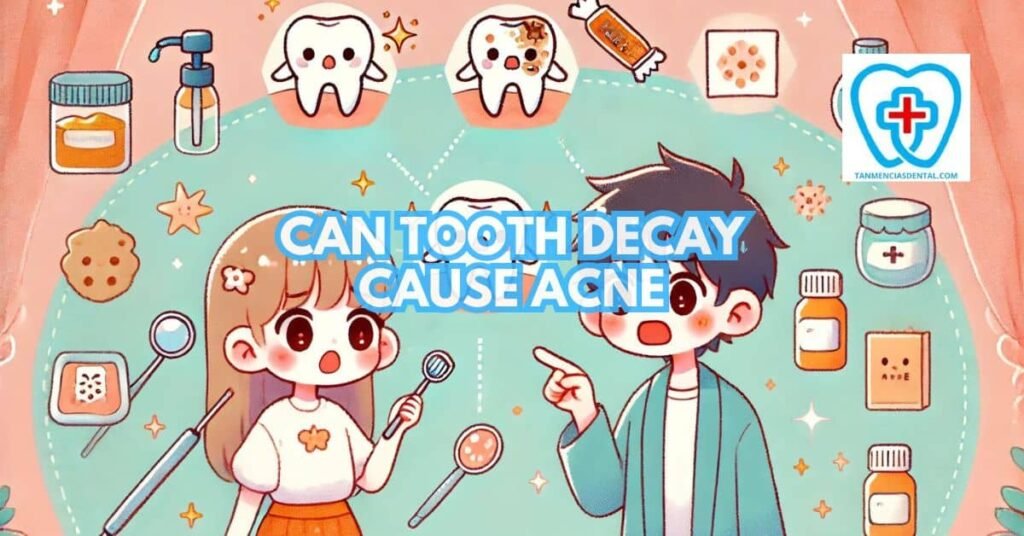
It is important to understand the difference between a condition that is linked to acne and one that directly causes it.
Tooth decay does not create pimples in the same way that clogged pores, excess oil, and hormones do.
However, poor oral health may still affect the body in indirect ways.
When tooth decay or gum problems are present, harmful bacteria can grow in the mouth and trigger inflammation.
This inflammation may spread through the body and affect different systems, including the skin.
In people who are already prone to acne, increased inflammation could make breakouts worse.
With this in mind, tooth decay is better viewed as a possible contributing factor rather than a direct cause of acne.
🦷 Could Your Dentist Be the One to Solve Your Chronic Exhaustion?
6. Oral Health and Its Impact on the Face
Oral health problems, such as tooth decay and gum disease, can affect more than just the teeth and gums.
When infections develop in the mouth, they can cause swelling, pain, and inflammation that may spread to nearby areas of the face.
This inflammation can also influence the skin and may worsen existing skin conditions in some people.
As oral bacteria multiply, the body may respond with a stronger inflammatory reaction.
This response helps explain the possible connection between poor oral hygiene and acne in some individuals.
When inflammation increases, acne may become more noticeable or harder to manage.
Maintaining good dental hygiene helps control bacteria, supports healthy gums, and may reduce factors that can contribute to skin problems.
🦷 How Much Does Professional Cleaning Contribute To Long-Term Cavity Prevention?
7. Can a Tooth Infection Cause Your Face to Breakout?
A tooth infection creates an environment where harmful bacteria can grow and irritate the tissues around the affected tooth.
When bacteria spread in this area, the body reacts by producing inflammation to fight the infection.
This response can increase stress on the body and may worsen acne in people who are already prone to breakouts.
Infected teeth can also cause swelling, pain, and pressure in nearby parts of the face.
As inflammation increases, it may affect the skin and contribute to more noticeable acne flare-ups.
Treating dental infections early helps control bacteria and supports both oral health and overall well-being.
🦷 The Essential Role of Dental Care Professionals in Oral Health
8. The Role of Dental Hygiene in Managing Acne
Maintaining good dental hygiene is an important but often overlooked part of managing acne.
When harmful bacteria build up in the mouth, they can lead to tooth decay, gum disease, and ongoing inflammation in the body.
This inflammation may affect different systems, including the skin, and may make acne worse for some people.
Simple oral hygiene habits, such as brushing twice a day and flossing daily, help remove plaque and control bacterial growth.
Regular dental checkups are also an important part of proper dental care because they allow dentists to detect cavities or gum problems early.
Early treatment can prevent infections that may increase inflammation in the body.
By practicing good dental care and keeping the mouth healthy, people may reduce some factors that can contribute to acne flare-ups.
🦷 Meeting Your Basic Dental Needs: Tips for Optimal Oral Health
9. Brushing: Not Just for Teeth, But for Skin Health Too
Brushing your teeth at least twice a day plays a significant role in removing food particles and plaque, preventing tooth decay and gum disease.
This daily routine also reduces the bacterial load in the mouth, which, if left unchecked, could lead to inflammation that impacts skin health.
Selecting the right toothpaste is crucial; those with antibacterial properties can offer additional benefits in controlling harmful oral bacteria.
Moreover, gentle brushing techniques prevent damage to the gums, which could otherwise contribute to the body’s inflammatory response.
Therefore, effective brushing not only maintains oral health but could also be an indirect ally in the fight against acne.
🦷 Can Regular Oral Prophylaxis Sessions Actually Reverse Gingivitis?
10. Flossing: An Underestimated Ally Against Acne
Flossing does more than clean the tight spaces between your teeth; it plays a critical role in reducing the overall bacterial load in your mouth.
By removing food particles and plaque that a toothbrush cannot reach, flossing helps prevent gum disease and tooth decay, conditions associated with harmful bacteria.
These bacteria, if not controlled, can contribute to systemic inflammation, a factor in acne development.
Regular flossing, therefore, might indirectly benefit those struggling with acne by addressing one of the potential internal contributors to skin inflammation.
Incorporating flossing into daily oral care routines is a simple step with potential benefits for both oral and skin health.
🦷 Everything You Need to Know About a Broken Tooth Repair Kit
11. Toothpaste: Choosing the Right Armor Against Bacteria
Choosing a good toothpaste helps protect your teeth and gums by reducing the bacteria that cause cavities and gum disease.
Most toothpastes contain ingredients such as fluoride that strengthen enamel and help prevent tooth decay.
Keeping oral bacteria under control can also lower the risk of gum inflammation and dental infections.
When oral health problems are reduced, the body may experience less ongoing inflammation.
Since inflammation can sometimes worsen acne in people who are prone to breakouts, maintaining good oral hygiene may indirectly support skin health.
However, toothpaste itself does not treat or prevent acne.
Instead, it should be viewed as one part of a daily routine that helps maintain overall oral health.
🦷 Basic Dental Needs in Marikina
12. The Bigger Picture: Oral Health as Part of Holistic Wellness
The investigation into the relationship between tooth decay, gum disease, and acne highlights the importance of viewing health as an interconnected system.
In addition to having an impact on other bodily systems, oral health is a crucial aspect of overall wellness.
This perspective encourages a holistic approach to health care, where dental hygiene plays a crucial role in maintaining not just oral health but also contributing to skin health and general well-being.
Recognizing the systemic nature of health can lead to more effective management of conditions like acne, highlighting the need for comprehensive health practices.
Embracing a holistic health model means considering how various health practices, including oral care, diet, and exercise, interact and contribute to overall health.
🦷 Professional Family Dental Services in Marikina
👨⚕️ Conclusion
The potential link between tooth decay and acne underscores the importance of a comprehensive approach to health and wellness.
Recognizing that health issues in one part of the body can affect seemingly unrelated areas encourages a broader perspective on health care practices.
This understanding should motivate individuals to adopt thorough dental hygiene routines, not just for the sake of their oral health but as a part of a comprehensive strategy to improve overall well-being and possibly reduce acne severity.
Health care professionals and patients alike should consider the systemic nature of health, where oral hygiene plays a critical role in a holistic health strategy.
Taking a comprehensive approach to health can improve results, highlighting the connection between our bodies and the significance of taking care of all facets of our well-being.
❔ FAQs
1. Can tooth decay directly cause acne?
Tooth decay does not directly cause acne in the same way as clogged pores, excess oil, and hormones do.
However, poor oral health can increase harmful bacteria and inflammation in the body.
This inflammation may worsen acne in people who are already prone to breakouts.
As a result, tooth decay is better seen as a possible contributing factor rather than a direct cause.
2. How can poor oral health affect the skin?
Poor oral health can allow harmful bacteria to grow in the mouth and cause infections such as cavities or gum disease.
These conditions can lead to inflammation in the body.
Inflammation can sometimes worsen skin problems, including acne.
Taking care of your teeth and gums may help reduce this type of inflammatory stress.
3. Can a tooth infection lead to facial breakouts?
A tooth infection can cause swelling and inflammation in the surrounding tissues.
This inflammation may spread through the body and affect different areas, including the skin.
In people who already struggle with acne, this added inflammation may worsen breakouts.
Treating the dental infection can help reduce this problem.
4. Can treating tooth decay improve acne?
Fixing tooth decay may help reduce harmful bacteria and inflammation in the body.
Lower inflammation can sometimes help improve overall skin health.
However, acne usually has several causes, such as hormones, clogged pores, and genetics.
Treating dental problems should be seen as one part of a broader approach to managing acne.
5. How can good dental hygiene help with acne?
Brushing and flossing help remove plaque and harmful bacteria from the mouth.
This lowers the risk of cavities and gum disease, which are sources of inflammation.
When inflammation in the body is reduced, acne symptoms may become less severe for some people.
Good oral hygiene also supports overall health.
6. When should you see a dentist if you have acne?
You should see a dentist if you notice signs of dental problems along with skin breakouts.
Symptoms may include tooth pain, swollen gums, bleeding gums, or bad breath.
These signs can point to tooth decay or gum disease.
Treating oral health problems early can help protect both your teeth and your overall health.
😁 Self-Promotion
Visit us at Tan-Mencias Dental Clinic, nestled in the heart of Parang, Marikina City, where your smile is our top priority!
Our clinic offers a warm, welcoming environment, ensuring a comfortable and positive experience for all your dental needs.
For any questions or concerns, feel free to call us at 0917-145-1074, send a message through our Facebook page, or reach out via our website’s contact form.
We’re committed to providing personalized, high-quality care to keep your smile bright and healthy.
Let the Tan-Mencias Dental Clinic team be a part of your journey to a radiant smile; we’re just a message or call away!