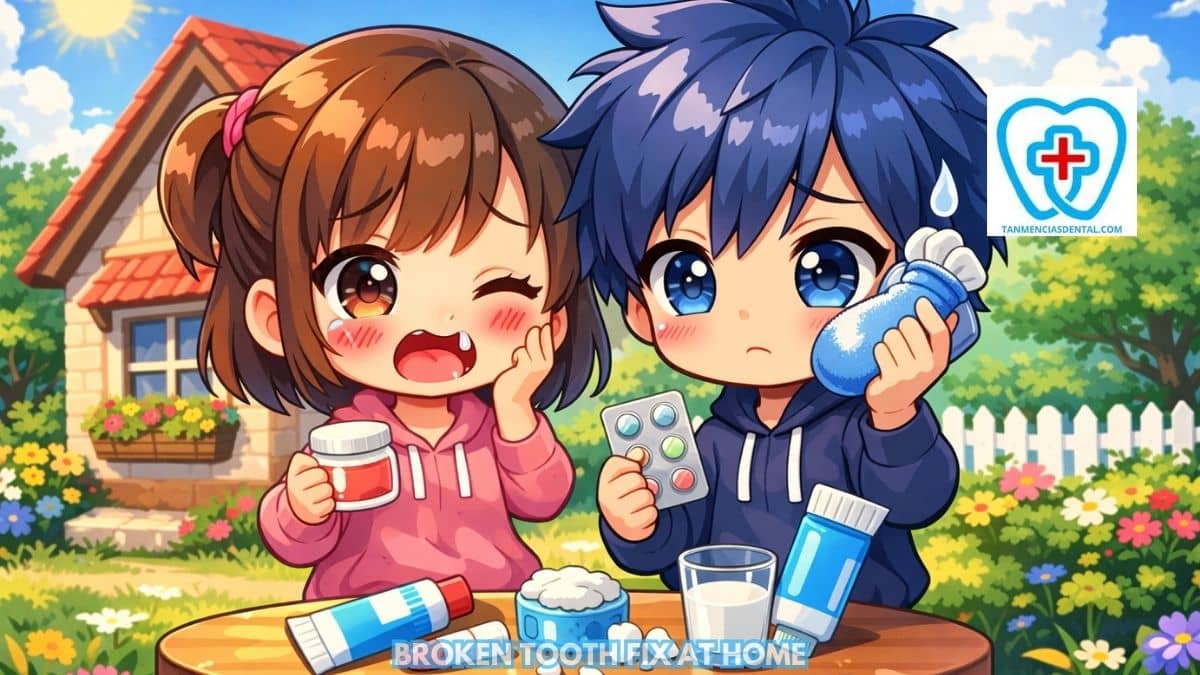
A broken tooth can be painful and stressful, especially when it happens without warning.
Acting quickly can help limit damage, ease discomfort, and protect your mouth until you see a dentist.
When done the right way, a broken tooth fix at home can reduce sharp edges, lower the risk of infection, and keep pain under control.
We’ll explain how to assess the damage and recognize warning signs that need urgent care.
We’ll also cover safe steps you can take to clean, protect, and relieve pain in the affected area.
Knowing what to do right away can make a real difference in protecting your tooth and your overall health.
1. Assess the Damage: How to Determine the Extent of Your Broken Tooth
Start by looking closely at your mouth using a mirror and bright lighting so you can clearly see the damaged tooth.
Check whether the problem is a small chip, which is common with chipped teeth, or a deeper break that may affect cracked teeth.
Notice if the tooth looks uneven, split, or darker in color, as these signs can point to more serious damage.
Pay attention to pain levels, especially sharp pain when air, food, or liquid touches the tooth.
Look for any exposed fillings, crowns, or inner areas of the tooth, since these can increase sensitivity and risk of infection.
Gently feel the area with your tongue to check for sharp edges, but avoid biting down or pressing on the tooth.
If the tooth feels loose or unstable, this may suggest cracked teeth that need urgent care.
A careful assessment helps you decide which at-home steps are safe and when professional treatment is needed.
🦷 Can You Get Sick From Not Brushing Your Teeth?
2. Warning Signs That Need Immediate Dental or Emergency Care
Some broken teeth can be cared for briefly at home, but certain signs mean you need help right away.
Trouble breathing or swallowing is an emergency because swelling can block the airway and become dangerous.
Rapid swelling in the face, jaw, or gums may signal an infection that can spread to other areas.
A fever, pus, or a bad taste in the mouth often points to infection and should not be ignored.
Heavy bleeding that does not stop with gentle pressure is another warning sign.
Severe tooth or jaw injuries can cause pain that does not improve, even after using basic care at home.
If the tooth was damaged during a hard fall or accident, there may also be a broken jaw or facial bone.
In these cases, waiting can make the injury worse and harder to treat.
Getting emergency care quickly helps protect your health and prevents serious complications.
🦷 How Often Should I Actually See A Dentist For A Cleaning?
3. Clean the Area: Rinsing and Protecting Your Mouth from Infection
After assessing the damage, it’s important to keep the area clean to avoid bacteria entering the exposed tooth.
Use warm water to gently rinse your mouth, ensuring that no debris or food particles remain near the broken tooth.
Avoid using mouthwash with alcohol, as it can irritate the sensitive area.
If bleeding is present, bite down gently on a clean gauze or cloth until the bleeding stops.
Keeping the broken tooth and surrounding area clean reduces the risk of infection until you can see your dentist.
🦷 Common Causes of a Broken Tooth Filling Exposed and How to Avoid Them
4. Apply a Cold Compress: Reducing Swelling and Numbing Pain
Swelling and pain often accompany a broken tooth, especially if the break is significant.
To manage these symptoms, apply a cold compress to the outside of your face near the broken tooth.
Wrap the ice pack or cold cloth in a towel to protect your skin, and use it for 10-15 minutes every hour.
This method helps constrict blood vessels, reducing inflammation and dulling the pain.
A cold compress is especially useful if the break occurred due to trauma, as it helps manage both pain and swelling effectively.
🦷 What to Expect After Getting Dental Implants
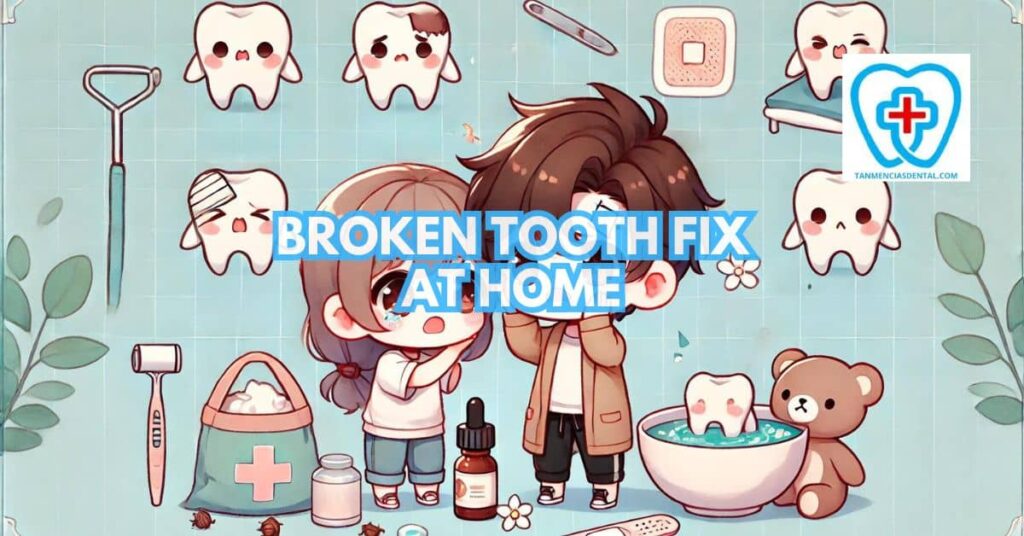
5. Use Over-the-Counter Pain Relief: Managing Discomfort Effectively
Over-the-counter pain relievers, such as ibuprofen or acetaminophen, can help reduce the discomfort associated with a broken tooth.
These medications work by targeting inflammation and pain receptors, providing temporary relief while you wait to see a dentist.
Always follow the dosage instructions on the label to avoid potential side effects.
Avoid applying pain relievers directly to the tooth or gums, as this can irritate the tissue and make the pain worse.
Using these medications as directed can help manage your discomfort until you receive professional care.
🦷 Reasons Why Dentists Are Happier Than You Think
6. Avoid Certain Foods: What to Steer Clear of to Prevent Further Damage
Eating the wrong foods can worsen a broken tooth or cause additional pain.
Hard foods like nuts, candy, or ice should be avoided, as they can further crack the tooth or aggravate the broken area.
Sticky foods, such as caramel or gum, can pull on the tooth or get stuck in the damaged section, increasing the risk of infection.
Extremely hot or cold foods may trigger sensitivity, making it uncomfortable to eat.
Soft, room-temperature foods are the safest options until your tooth is treated.
🦷 Signs You Need A Root Canal Treatment
7. Protect the Tooth: Temporary Solutions to Cover Sharp Edges
A broken tooth can have sharp or rough edges that may cut your tongue, cheeks, or gums.
Covering the tooth at home helps lower the risk of mouth injuries and reduces discomfort while you wait for care.
Dental wax from a drugstore is a simple option that creates a smooth barrier over the damaged area.
If wax is not available, sugarless gum or a temporary dental filling kit can also help protect the tooth.
Before applying any material, gently rinse your mouth to remove food and bacteria.
Press the covering in place lightly and avoid biting down on it.
These temporary steps support basic tooth repair by shielding the broken area.
They are not a replacement for a dentist, but they help protect your mouth until proper treatment is done.
🦷 Understanding Broken Tooth Repair Cost: What You Need to Know Before Your Dentist Visit
8. Apply a Saltwater Rinse: Soothing Your Gums and Keeping the Area Clean
A saltwater rinse is a simple, effective way to reduce bacteria and soothe irritated gums after a tooth breaks.
Mix a half-teaspoon of salt into a glass of warm water and gently swish the solution in your mouth for about 30 seconds.
This rinse helps keep the area clean by reducing bacteria and soothing inflammation around the broken tooth.
Be sure to avoid using hot water, as it can aggravate sensitive areas.
Using this rinse several times a day, especially after meals, can aid in maintaining oral hygiene and relieving discomfort.
🦷 Dental Hygiene for Kids: Sparkling Smiles and Happy Brushing Adventures Await!
9. Avoid Using the Affected Tooth: Preventing Additional Damage
Refraining from using the broken tooth is crucial to prevent worsening the damage.
Chewing on the injured side can place pressure on the broken tooth, increasing the risk of fractures or sharp edges cutting into your mouth.
If possible, stick to softer foods and chew on the opposite side of your mouth.
This will help protect the tooth from further harm and minimize pain.
Keeping the tooth stable until you receive professional care is essential for avoiding complications.
🦷 Safe and Effective Teeth Whitening Options for Sensitive Teeth
10. Keep the Tooth Fragment: Why Saving Broken Pieces Can Be Helpful
If a part of your tooth has broken off, save the fragment, as it may assist your dentist in restoring the tooth.
Carefully collect the piece and place it in a clean container, covering it with milk or saline solution to keep it moist.
Bringing the fragment to your dental appointment can help your dentist assess the best course of treatment, such as reattaching the piece or using it as a guide for shaping a dental crown.
Even if the fragment seems small, it can provide valuable information for the repair process.
Keeping the fragment properly stored ensures its preservation until you reach the dentist.
🦷 Basic Dental Needs in Marikina
11. Schedule a Dental Appointment: Why Professional Care is Essential
Home care can help for a short time, but a dental appointment is needed to treat a broken tooth the right way.
A dentist trained in dentistry can fully examine the tooth and check for hidden damage below the surface.
Professional care helps prevent infection and reduces the risk of ongoing pain or swelling.
Depending on the break, the dentist may suggest treatments such as dental bonding, crowns, or root canals.
Dental bonding is often used for small chips and can also improve the tooth’s cosmetic appearance.
Waiting too long for treatment can lead to serious problems, including abscesses or tooth loss.
When you contact the office, explain how the injury happened and describe any pain or swelling.
This information helps the dentist decide how quickly you need to be seen.
Prompt professional care gives the best chance to restore both the function and look of your tooth.
🦷 Exceptional Dental Care in Marikina
👨⚕️ Conclusion
Taking immediate action at home helps protect your broken tooth while you wait for professional care.
Once the dentist treats the issue, follow-up care and regular dental visits are essential to prevent future problems.
Practicing good oral hygiene and wearing protective gear during activities like sports can reduce the risk of another tooth injury.
Long-term solutions from your dentist will depend on the extent of the damage, but the temporary steps you take at home can make the process smoother.
Staying informed about tooth care will help you avoid similar situations in the future.
❔ FAQs
1. Can a broken tooth heal on its own?
A broken tooth cannot heal on its own because tooth enamel does not grow back.
Even small chips need a dentist to check for hidden damage.
Home care can protect the tooth and ease pain, but it does not fix the break.
A dental visit is still needed to prevent future problems.
2. Is it safe to use home remedies for a broken tooth?
Home care steps are safe only as temporary protection before seeing a dentist.
Cleaning the area, covering sharp edges, and managing pain can help prevent further damage.
These steps should not replace professional treatment.
Waiting too long can lead to infection or tooth loss.
3. How long can I wait before seeing a dentist for a broken tooth?
You should contact a dentist as soon as possible, even if the pain feels mild.
Waiting longer increases the risk of infection, sensitivity, and further cracking.
If you have swelling, fever, or severe pain, do not wait at all.
Prompt care leads to better results.
4. What should I do if my broken tooth is very sensitive to air or temperature?
Sensitivity often means the inner part of the tooth is exposed.
Try to keep the tooth covered and avoid hot, cold, or sweet foods.
Do not chew on that side of your mouth.
Schedule a dental visit quickly to protect the nerve.
5. Can a broken tooth lead to infection if left untreated?
Yes, a broken tooth can allow bacteria to enter the tooth and gums.
This can cause swelling, pain, and serious infection over time.
Signs may include fever, bad taste, or pus near the tooth.
Early dental care helps prevent these complications.
😁 Self-Promotion
At Tan-Mencias Dental Clinic in Parang, Marikina City, we are committed to providing top-quality dental care in a friendly and welcoming environment.
Whether you need a routine checkup or treatment for a specific dental concern, our experienced team is here to help you achieve your best smile.
Please do not hesitate to contact us with any inquiries.
You can reach us by phone at 0917-145-1074, via message on our Facebook page, or by using the contact form on our website for prompt assistance.
Your dental health is our priority, and we look forward to serving you with the care you deserve.
Visit us today and experience the difference at Tan-Mencias Dental Clinic!